White House weighs how to use Defense Production Act to expand US oil refining capacity, sources say
Tap title to read story
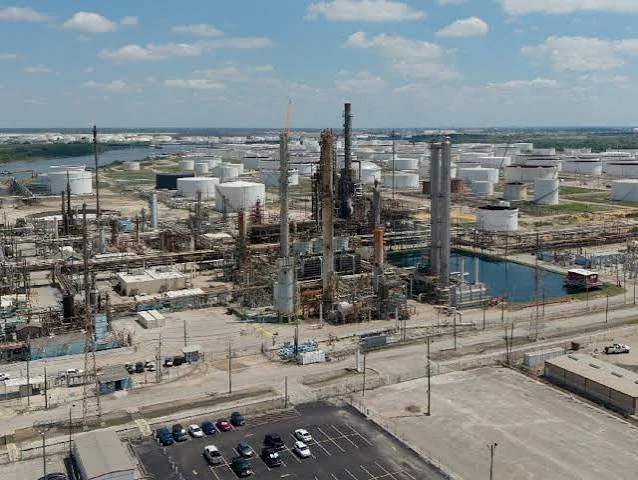
The administration is evaluating whether to invoke the Cold War-era Defense Production Act to expand domestic oil refining capacity as fuel prices soar nationwide. White House officials are reviewing options to prioritize equipment contracts, extend financial assistance, and direct crucial industrial materials toward fuel production infrastructure. The potential executive action responds to constrained supply chains and high retail gasoline costs impacting American consumers. However, energy industry leaders and analysts warn that government mandates face severe structural limitations. Restarting mothballed refining units or constructing new processing facilities requires extensive capital, specialized heavy machinery, and rigorous environmental permitting timelines that emergency powers cannot instantly compress. Major refiners have alternatively prioritized financial discipline and shareholder returns over capital-intensive fossil fuel expansions, complicating federal intervention. Furthermore, broad fossil fuel investments conflict with broader administration climate goals. Officials continue weighing economic pressures against operational hurdles before determining whether to formally execute the emergency statute.
More context
Timeline
- On June 10 1950 Congress enacted the original Defense Production Act for national mobilization.
- On April 20 2026 President Trump signed presidential determination on petroleum production and refining.
- On August 31 2026 US refinery utilization rates reached approximately 98 percent nationwide.
- On September 1 2026 Diesel inventory shortages pushed wholesale and retail prices significantly higher.
- On September 10 2026 White House officials met with petroleum refiners to discuss capacity expansions.
- On September 11 2026 Media reports revealed potential Defense Production Act invocation for refineries.
- On September 11 2026 Industry executives emphasized upgrading existing units over building new facilities.
- On September 11 2026 Energy analysts noted long capital timelines for dormant facility restarts.
- On September 12 2026 Energy markets continue monitoring potential executive emergency supply interventions.
- On September 13 2026 Federal agencies will evaluate ongoing domestic fuel capacity metrics.
- In coming months, the administration may decide whether to formally issue directives.
- In coming years, structural fuel processing capacities will evolve based on investments.
Why it matters
Immediate US impact: Retail gasoline prices remain elevated amid persistent refining capacity constraints. Possible long-term US impact: Federal emergency powers could reshape domestic fossil fuel processing infrastructure. Most affected groups: American drivers, domestic refiners, energy investors, and transportation industries. Reader priority: Monitor official executive announcements and energy market compliance reports.
Coverage notes
Left: Highlighted consumer cost relief and potential accountability for energy corporations. Center: Focused on supply chain mechanics and operational industry pushback realities. Right: Emphasized market limitations and conflicts with administration climate objectives.
Primary report
Reuters reported White House consideration of Defense Production Act on May 31 2022.
Sources
- Politico
- Washington Post
- New York Times
- NPR
- Time
- The Atlantic
- Independent
- Reuters
- Bloomberg
- Associated Press
- Financial Times
- Axios
- The Hill
- USA Today
- MarketWatch
- Barron's
- Forbes
- Newsweek
- Houston Chronicle
- Dallas Morning News
- S&P Global
- Argus Media
- Rigzone
- The Street
- Quartz
- Bloomberg Law
- Reuters Energy
- Seeking Alpha
- Wall Street Journal
- Daily Caller
- Washington Times
JQJO Editorial Desk · Human reviewed · AI assisted. Report a correction.