Mistakes, mistrust and misdirection: 25 years after 9/11, its dark legacy continues to unfold
Tap title to read story
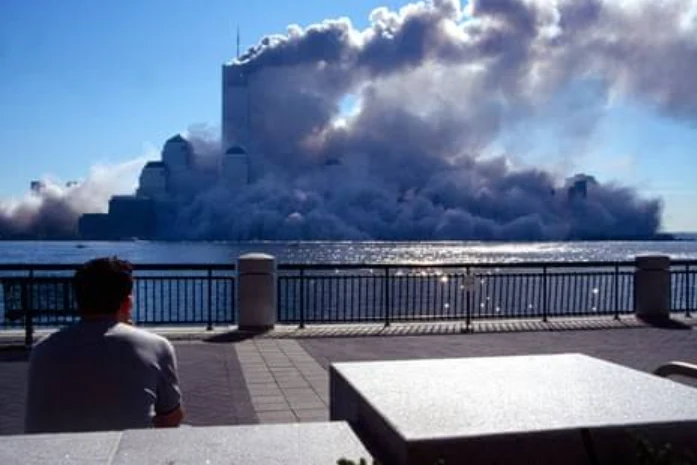
Marking the twenty-fifth anniversary of the September 11 terrorist attacks, the United States commemorated the solemn milestone with national memorial ceremonies held across New York City, the Pentagon, and Shanksville, Pennsylvania. The tragic 2001 attacks, which claimed nearly three thousand innocent lives, triggered sweeping structural legislative reforms, including the creation of the Department of Homeland Security and extensive intelligence agency overhauls. As a new generation of Americans comes of age with no personal memory of that fateful morning, current national discussions focus heavily on balancing critical security measures with fundamental civil liberties, confronting modern digital threats, and honoring the enduring sacrifice of first responders and grieving families. Federal leaders, security analysts, and community representatives reflected profoundly upon a quarter-century characterized by significant domestic policy shifts, complex institutional evolution, and the remarkable resilience of the American public navigating an increasingly intricate global threat landscape throughout the modern era observed today.
More context
Timeline
- On September 11, 2001, hijacked commercial airliners struck the World Trade Center and Pentagon.
- On September 18, 2001, President Bush signed the Authorization for Use of Military Force.
- On November 25, 2001, the Homeland Security Act established the Department of Homeland Security.
- On October 26, 2001, the USA PATRIOT Act was enacted to expand surveillance powers.
- On May 2, 2011, U.S. forces killed al-Qaida leader Osama bin Laden in Pakistan.
- On September 11, 2021, the United States marked the twentieth anniversary amid withdrawal from Afghanistan.
- On September 11, 2026, the nation observed the twenty-fifth anniversary with official memorial events nationwide.
- On September 11, 2026, federal and security agencies assessed twenty-five years of counterterrorism architecture.
- On September 11, 2026, museums and institutions exhibited historical artifacts to educate younger generations.
- In coming years, policymakers will continue evaluating cybersecurity and evolving digital counterterrorism strategies.
Why it matters
Immediate US impact: Nationwide security protocols and institutional oversight structures face continued public debate. Possible long-term US impact: Long-term policy adjustments will likely redefine federal intelligence sharing and privacy laws. Most affected groups: Federal agencies, first responders, and security analysts remain most affected nationwide. Reader Priorities: Readers should prioritize verified reports from official government sources and wire services.
Coverage notes
Left: Emphasizes institutional erosion, civil liberties concerns, and counterterrorism budget cuts. Center: Focuses on official commemorations, bipartisan remembrance, and national security evolution. Right: Highlights national resilience, first responder bravery, and strong border and homeland defense.
Primary report
The twenty-fifth anniversary of the September 11 attacks occurred on September 11, 2026.
Sources
JQJO Editorial Desk · Human reviewed · AI assisted. Report a correction.