Miami Beach will resist DeSantis by moving license plate readers to businesses
Tap title to read story
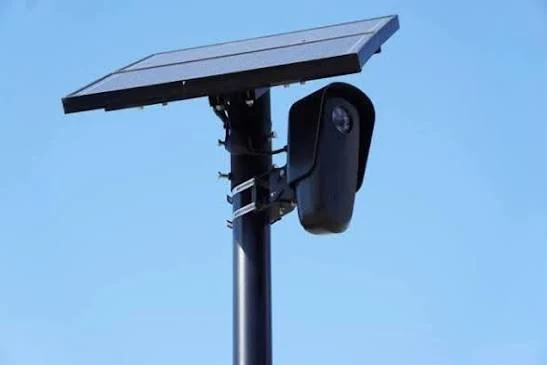
Miami Beach officials announced a strategic plan to relocate automated license plate readers onto private properties following a state directive from Governor Ron DeSantis ordering law enforcement to remove surveillance cameras from state-maintained roads. The Florida Department of Transportation issued a thirty-day mandate targeting devices on public rights-of-way, citing government overreach and potential data privacy violations. To maintain perimeter security across major barrier island access points, municipal leaders pursued agreements with private commercial developments and condominium associations to mount monitoring equipment. Local police contend the tracking technology remains essential for locating stolen vehicles and apprehending suspects involved in violent crimes. Meanwhile, civil liberties organizations argue that routing municipal surveillance infrastructure through private facades effectively circumvents public transparency laws and continuous tracking oversight. City administrators and state regulators continue evaluating jurisdictional limits regarding public safety operations and digital privacy protections across municipal boundaries.
More context
Timeline
- On January 10 2024 state transportation officials proposed new roadside camera restrictions.
- On March 15 2024 local law enforcement expanded automated license plate reader networks.
- On June 20 2025 privacy advocates petitioned state leaders regarding digital tracking practices.
- On August 5 2025 municipal councils debated public oversight over municipal surveillance data.
- On November 12 2025 state agencies drafted preliminary rules restricting public-right-of-way monitoring devices.
- On February 1 2026 Governor DeSantis issued a directive banning roadside readers.
- On February 10 2026 the Florida Department of Transportation transmitted removal orders.
- On February 18 2026 Miami Beach Mayor Steven Meiner proposed private property workarounds.
- On March 2 2026 municipal police coordinated camera relocations with commercial property partners.
- On September 11 2026 legal analysts reviewed jurisdictional boundaries concerning private surveillance integration.
Why it matters
Immediate US impact: Municipalities nationwide face similar conflicts over digital public safety infrastructure. Possible long-term US impact: States will likely restrict local surveillance integration across public infrastructure permanently. Most affected groups: Municipal police departments, local governments, and privacy advocacy organizations statewide. Reader priority: Monitor municipal council announcements and state transportation department policy updates.
Coverage notes
Left: Emphasizes civil liberties concerns and potential government overreach issues. Center: Reports administrative disputes between state authorities and municipal leadership objectively. Right: Highlights state regulatory authority over public infrastructure and security.
Primary report
Florida Department of Transportation issued state road camera removal directive on February 10 2026
Sources
- Sun Sentinel
- Orlando Sentinel
- New York Times
- Florida Phoenix
- Gizmodo
- Miami Herald
- Associated Press
- Politico Florida
- The Hill
- Reuters
- Bloomberg
- WLRN
- CBS News
- USA Today
- Wall Street Journal
- Florida Politics
- Axios
- WESH Orlando
- Health News Florida
- The News Service of Florida
- Tallahassee Democrat
- TCPalm
- The Bradenton Herald
- The Daytona Beach News-Journal
- The Gainesville Sun
- The Ledger
- Sarasota Herald-Tribune
- Pensacola News Journal
- Naples Daily News
- The News-Press
- Local Gov Review
- The Daily Caller
- The Center Square
- Cove News
- fdot.gov
JQJO Editorial Desk · Human reviewed · AI assisted. Report a correction.