Trump administration backs OpenAI in New York Times’ copyright case over training of chatbots
Tap title to read story
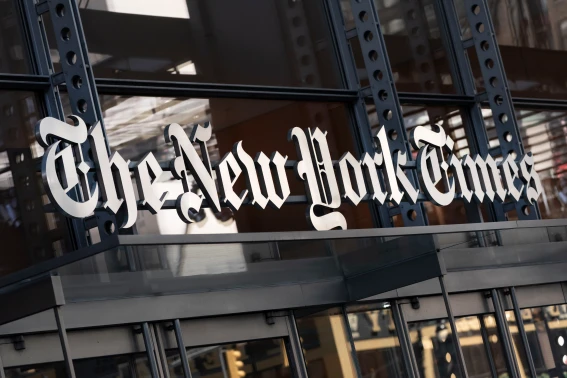
The Trump administration has entered the copyright battle between OpenAI and The New York Times, urging a judge to accept OpenAI’s argument that training large language models on copyrighted material can qualify as fair use. The Justice Department filed a Statement of Interest on September 1 in the Southern District of New York, arguing that AI training is transformative and that its creative, economic and national-security benefits outweigh competitive harm. The Times sued OpenAI and Microsoft in December 2023, alleging unauthorized use of millions of articles and arguing that AI products can substitute for journalism without compensating publishers. The newspaper criticized the government’s position, saying creators should be paid for content used to build AI systems. The DOJ filing is not a court ruling and does not resolve questions involving infringing outputs or obtaining training material. The case could influence copyright disputes involving AI developers, publishers, authors and other creators. �
More context
Timeline
- On December 27, 2023, Times sued OpenAI over copyright claims.
- On January 23, 2025, Trump ordered policies promoting American AI leadership.
- On June 23, 2025, Anthropic received favorable AI training ruling. �
- Reuters
- On June 25, 2025, Meta won summary judgment in authors' case. �
- Justia Law
- On January 6, 2026, Judge Stein scheduled oral arguments in litigation. �
- Justia Law
- On July 9, 2026, Times sought sanctions against OpenAI during discovery.
- On August 14, 2026, OpenAI disputed Times sanctions allegations publicly.
- On September 1, 2026, DOJ filed Statement of Interest supporting OpenAI. �
- Bloomberg Law +1
- On September 2, 2026, major outlets reported the government's intervention. �
- Reuters +1
- On September 3, 2026, case remains pending before Judge Stein.
- Expected next: parties may press fair-use arguments before summary judgment.
- Longer term: Congress may consider licensing frameworks alongside court outcomes.
- The 2025 Anthropic and Meta rulings provide relevant but fact-specific precedents; neither automatically determines the Times litigation. �
Why it matters
Immediate US impact: Federal backing could strengthen AI companies’ defenses in copyright litigation. Long-term US impact: Ruling could reshape licensing costs, creator compensation, and American competition. Most affected groups: AI developers, publishers, authors, and copyright lawyers face major consequences. Readers should prioritize: Readers should prioritize court filings, primary statements, and independent updates.
Coverage notes
Left: Coverage emphasizes creator compensation, media sustainability, and government favoritism toward technology. Center: Coverage emphasizes DOJ intervention, fair-use arguments, litigation status, and competing claims. Right: Coverage emphasizes American AI competitiveness, national security, and limiting copyright-driven barriers.
Primary report
trigger_description: September 1 filing: DOJ submitted Statement of Interest supporting OpenAI's fair-use position.
Sources
- The Washington Post
- The Washington Post
- WIRED
- TechCrunch
- The Guardian
- The Verge
- Associated Press
- Reuters
- Financial Times
- The Wall Street Journal
- Bloomberg Law
- Law360
- TheWrap
- Quartz
- NOTUS
- Digital Music News
- Digital Journal
- Dataconomy
- RTE
- Channel NewsAsia
- The Straits Times
- The Economic Times
- Business Standard
- Moneycontrol
- Investing.com
- MarketScreener
- UOL Tilt
- ETBrandEquity
- GV Wire
- Local 10
- New York Post
- Breitbart News
- bloomberglaw.com
JQJO Editorial Desk · Human reviewed · AI assisted. Report a correction.