ADP Employment Data Plunges, Recession Fears Intensify
Tap title to read story
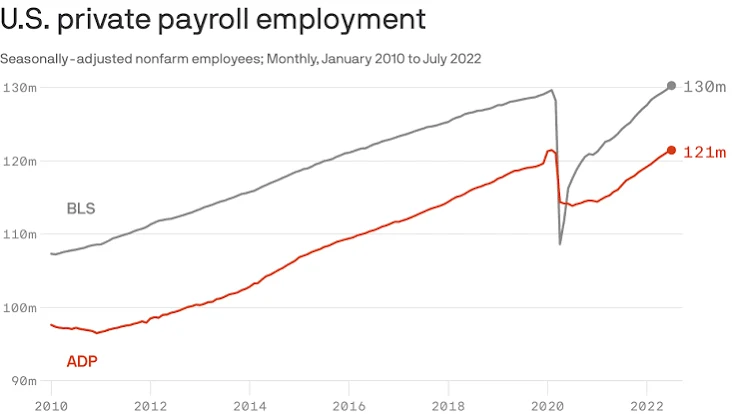
United States private sector job growth slowed sharply in August, adding only 37,000 new positions according to an ADP Research Institute report released on Wednesday. The figure represents the lowest monthly increase since January, significantly missing consensus forecasts and continuing a cooling trend in the domestic labor market. Wage growth also moderated, with annual pay increases for job-switchers dropping to 7.3 percent. The weaker-than-expected data arrives ahead of the Bureau of Labor Statistics monthly employment report scheduled for Friday. Economists survey data indicates the official unemployment rate is expected to hold steady at 4.1 percent. However, the ADP contraction introduces substantial downside risk to official forecasts, increasing pressure on the Federal Reserve regarding its upcoming September interest rate decision. Market participants are weighing persistent inflation above the two percent target against growing risks of overtightening the economy. Financial authorities continue monitoring labor indicators for broader economic impacts.
More context
Timeline
- On January 15, 2026, private sector job growth reached low monthly figures.
- On July 10, 2026, previous month figures were revised upward slightly.
- On August 1, 2026, economic analysts anticipated moderate employment growth for August.
- On September 2, 2026, the ADP report showed thirty seven thousand jobs.
- On September 2, 2026, annual pay increases for job switchers dropped significantly.
- On September 2, 2026, market participants priced in upcoming Federal Reserve decisions.
- On September 3, 2026, officials discussed inflation targets and interest rate paths.
- On September 4, 2026, analysts evaluated downside risks for upcoming government data.
- On September 4, 2026, financial markets prepared for the official labor report.
- On September 5, 2026, the Bureau of Labor Statistics releases employment data.
- On September 15 2026 Federal Reserve officials will likely adjust monetary policy during September meetings.
- On December 31 2026 Economic indicators may show continued labor market cooling through late 2026.
Why it matters
Immediate US impact: Weak employment data increases pressure for Federal Reserve rate cuts. Possible long-term US impact: Prolonged labor cooling could trigger broader economic recession risks. Most affected groups: American workers, businesses, and financial market investors are affected. Reader priority: Monitor official Bureau of Labor Statistics and Federal Reserve announcements.
Coverage notes
Left: Framing emphasizes worker vulnerability and pressures on federal monetary policy. Center: Framing focuses neutrally on economic statistics and market reactions. Right: Framing highlights regulatory impacts and business caution amid economic cooling.
Primary report
ADP Research Institute released private sector employment report on September 2, 2026.
Sources
JQJO Editorial Desk · Human reviewed · AI assisted. Report a correction.