The compounding climate hazards creating prime flood conditions
Tap title to read story
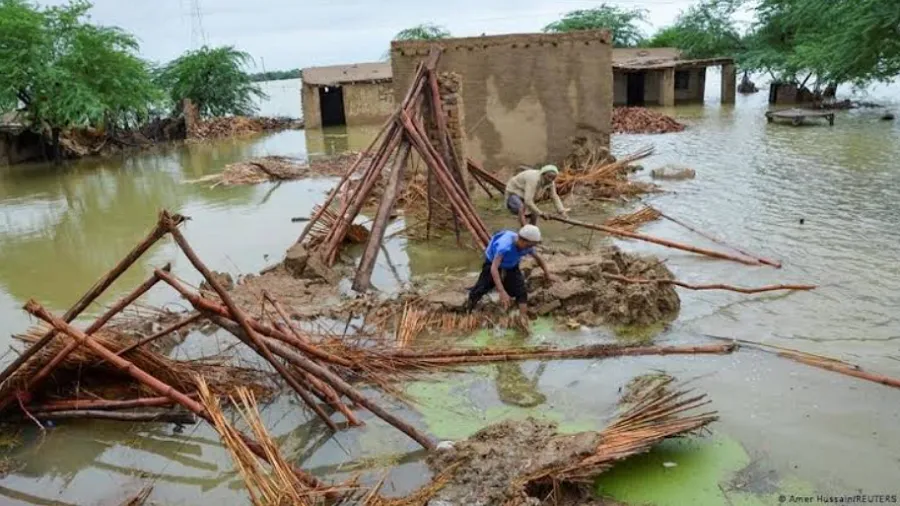
A devastating flash flood struck Grand Canyon National Park on August 29, 2026, leaving at least two people dead and nearly eighty visitors rescued from the inner canyon. The disaster centered on Bright Angel Canyon and Phantom Ranch, where torrential rainfall triggered a massive surge of mud, boulders, and debris. Meteorologists linked the extreme weather to compounding climate hazards, including severe regional drought, wildfire scarring from previous blazes, and warming oceanic temperatures. National Park Service officials confirmed that the destructive wall of water heavily damaged approximately forty percent of the transcanyon waterline, which serves millions of annual visitors and permanent residents. Consequently, park authorities enacted emergency restrictions, closing overnight lodges indefinitely and urging severe water conservation. Rescue teams, including local and federal units, utilized helicopters and advanced equipment to search for remaining unaccounted individuals. The catastrophe highlights growing infrastructure vulnerabilities across American public lands facing intensifying climate driven weather extremes.
More context
Timeline
- On July 15, 2025, wildfires severely scarred the regional landscape.
- On June 1, 2026, historic drought conditions began gripping Arizona.
- On August 28, 2026, preliminary thunderstorms soaked the canyon terrain.
- On August 29, 2026, torrential downpours triggered catastrophic flash flooding.
- On August 30, 2026, rescue teams evacuated eighty stranded visitors.
- On August 31, 2026, officials confirmed two tragic flood fatalities.
- On September 1, 2026, emergency water restrictions took immediate effect.
- On September 10, 2026, repair crews will assess damaged pipelines.
- On October 1, 2026, authorities anticipate reopening closed park lodges.
- On November 15, 2026, engineers expect completing critical water repairs.
Why it matters
Immediate US impact: Park closures disrupt thousands of travelers across southwestern tourist destinations. Possible long-term US impact: Accelerated infrastructure hardening becomes vital for aging national park systems. Most affected groups: Hikers, Arizona residents, park staff, and tourism businesses face disruptions. Reader Priorities: Track official National Park Service advisories and local emergency warnings.
Coverage notes
Left: Emphasizes human caused climate change, El Niño, and infrastructure vulnerabilities. Center: Focuses on factual reporting of rescue operations, casualties, and damage. Right: Highlights emergency response effectiveness, park management decisions, and severe weather.
Primary report
On August 29, 2026, severe flash flooding struck Grand Canyon.
Sources
- The Guardian
- The Guardian
- Grand Canyon Trust
- CNN
- The Guardian
- CNN
- CNN
- The Guardian
- Washington Post
- CNN
- Associated Press
- Associated Press
- KJZZ
- Water Education Foundation
- PAHO/WHO
- Times of India
- Times of India
- Wikipedia
- Hindustan Times
- Vajiram and Ravi
- Associated Press
- Associated Press
- Associated Press
- Reuters
- NPR
- Weather Channel
- National Park Service
- Coconino County
- Arizona Republic
- Fox News
JQJO Editorial Desk · Human reviewed · AI assisted. Report a correction.