US stock index futures dip as Middle East strikes worsen inflation fears
Tap title to read story
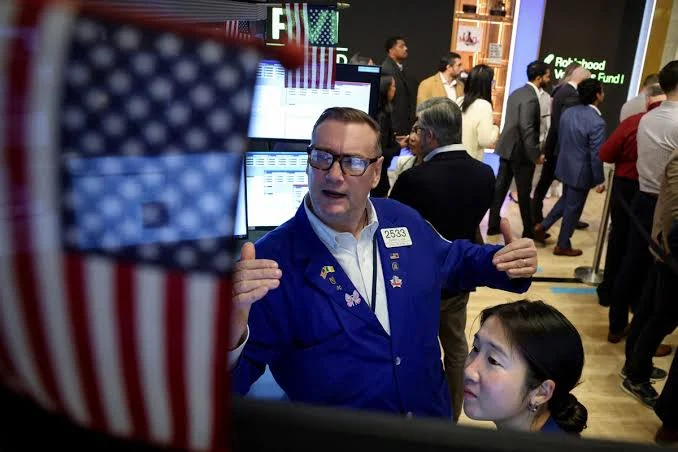
Wall Street index futures declined early Monday as renewed military strikes between the United States and Iran disrupted oil shipments through the Strait of Hormuz, driving crude prices higher. The geopolitical escalation exacerbated investor anxieties regarding persistent inflation, occurring alongside an increasingly hawkish monetary policy outlook from the Federal Reserve. Fed Chair Kevin Warsh indicated that policymakers may need to increase interest rates if inflation fails to reach the central bank's two percent target, significantly elevating market expectations for a rate hike at the upcoming September meeting. According to CME FedWatch data, trader expectations for a rate increase rose to nearly sixty percent from forty-one percent the previous week. Equity markets experienced broad downward pressure across major benchmarks, while energy stocks and select artificial intelligence chipmakers advanced amid broader sector volatility. Investors now look toward the upcoming U.S. non-farm payrolls employment report scheduled for September fourth for further policy direction.
More context
Timeline
- On August 27 2026 Federal Reserve Chair Kevin Warsh delivered hawkish comments at symposium.
- On August 28 2026 Personal Consumption Expenditures inflation reading came in hotter than expected.
- On August 31 2026 Military strikes between the United States and Iran resumed overseas.
- On August 31 2026 Wall Street stock index futures dipped during early morning premarket trading.
- On August 31 2026 Brent crude oil prices experienced a two percent upward jump.
- On August 31 2026 Traders priced in a sixty percent chance of rate hike.
- On September 4 2026 Monthly United States employment non-farm payrolls report is scheduled release.
- On September 15 2026 Federal Reserve upcoming scheduled policy meeting will address interest rates.
- On October 15 2026 Markets will evaluate third quarter corporate earnings reports against inflation.
- On December 15 2026 Federal Reserve will evaluate final annual economic indicators for decisions.
Why it matters
Immediate US impact: Immediate market volatility impacts United States equity and energy sectors. Possible long-term US impact: Long-term inflation pressures may sustain elevated borrowing costs nationwide. Most affected groups: Energy companies, investors, and consumers face heightened commodity price volatility. Reader priority: Readers should prioritize verified financial updates and official economic data releases.
Coverage notes
Left: Blames geopolitical instability and corporate pricing power for inflation. Center: Reports market movements neutrally alongside Federal Reserve policy statements. Right: Emphasizes government spending policies and monetary expansion driving inflation.
Primary report
Reuters published market report on stock futures dropping from Middle East strikes.
Sources
- Reuters
- Bloomberg
- CNBC
- Financial Times
- Associated Press
- MarketWatch
- Yahoo Finance
- Reuters
- Bloomberg
- CNBC
- Financial Times
- Associated Press
- MarketWatch
- Yahoo Finance
- Reuters
- Bloomberg
- CNBC
- Financial Times
- Associated Press
- MarketWatch
- Yahoo Finance
- Reuters
- Bloomberg
- CNBC
- Financial Times
- Associated Press
- Wall Street Journal
- Wall Street Journal
- Wall Street Journal
- Wall Street Journal
JQJO Editorial Desk · Human reviewed · AI assisted. Report a correction.