Toyota and Honda may get stuck with the bill for Trump’s Canada tariffs
Tap title to read story
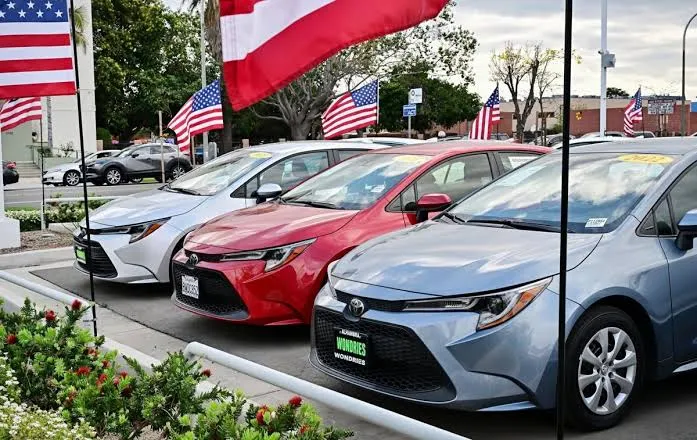
President Donald Trump has proposed a 50 percent tariff on Canadian automobile imports, threatening major Japanese manufacturers Toyota and Honda. These two companies account for over three-quarters of all vehicles manufactured in Canada, creating intense vulnerability as levies are scheduled for January 1. Canadian-built models represent nearly a quarter of Honda United States sales and 17 percent of Toyota sales, making them heavily exposed to the proposed doubling of current tariffs. Analysts warn that the financial pressure could force assembly line closures across Canada, where the auto industry supports approximately 427,000 jobs. The proposed policy arrives alongside intensifying competition from low-cost Chinese electric vehicle manufacturers in global markets. In response, Toyota is actively shifting production toward United States facilities through multi-billion dollar capital investments. Meanwhile, the future of the regional trade pact remains uncertain following annual reviews implemented by the administration, adding further strain to cross-border supply chains.
More context
Timeline
- On January 1 1994 North American Free Trade Agreement officially established regional automotive manufacturing.
- On July 1 2020 United States Mexico Canada Agreement replaced former trade pact.
- On July 1 2025 President Trump opted not to renew the regional trade pact.
- On July 1 2026 Annual trade review talks continued without permanent agreement extension.
- On August 31 2026 Reuters reported proposed fifty percent tariff on Canadian cars.
- On August 31 2026 Analysts warned Toyota and Honda face severe financial hits.
- On August 31 2026 Japanese suppliers reported uncertainty regarding future production and planning.
- On January 1 2027 Proposed tariffs scheduled to go into effect on imports.
- On June 30 2027 Automakers expected to announce Canadian assembly line production adjustments.
- On December 31 2028 Supply chains fully realigned toward domestic United States manufacturing facilities.
Why it matters
Immediate US impact: Proposed tariffs threaten United States supply chains and consumer vehicle pricing. Possible long-term US impact: Long term shifts may permanently reduce Canadian automotive manufacturing output significantly. Most affected groups: Japanese automakers, suppliers, and Canadian manufacturing workers face immediate disruption risks. Reader priority: Prioritise official trade announcements over speculative financial market commentary across outlets.
Coverage notes
Left: Highlighted risks to jobs and international trade partner stability. Center: Focused on supply chain disruptions and automaker financial impacts. Right: Emphasized domestic manufacturing incentives and robust trade enforcement measures.
Primary report
Reuters reported proposed US tariffs on Canadian car imports on August 31, 2026.
Sources
- CNN
- MSNBC
- Toronto Star
- Reuters
- Associated Press
- Bloomberg
- Financial Times
- Nikkei Asia
- CNBC
- Detroit Free Press
- Automotive News
- MarketWatch
- Yahoo Finance
- Global News
- CBC News
- The Globe and Mail
- Reuters Canada
- Kyodo News
- Japan Times
- Transport Topics
- Industry Week
- Forbes
- Fortune
- Business Insider
- Politico
- The Hill
- Washington Post
- Wall Street Journal
- Fox Business
- National Post
JQJO Editorial Desk · Human reviewed · AI assisted. Report a correction.