NASA, SpaceX, and Google Plan to Relocate AI Data Centers to Earth Orbit
PUBLISHED Aug 30, 2026, 3:08 AM ET
Read, Watch or Listen
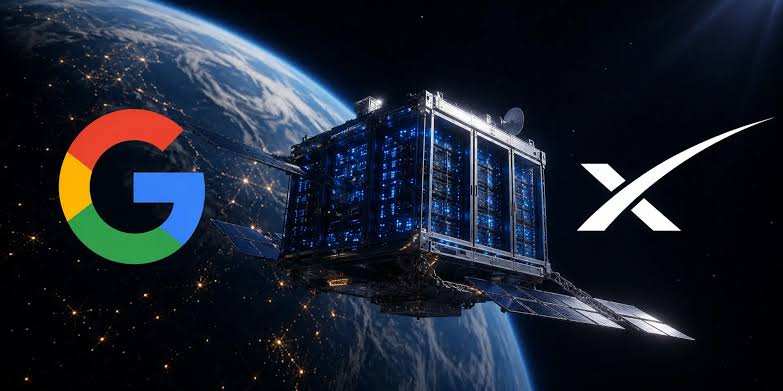
NASA Administrator Jared Isaacman has expressed support for a proposal by SpaceX CEO Elon Musk and Google CEO Sundar Pichai to relocate artificial intelligence data centers into Earth orbit. The initiative aims to bypass terrestrial power constraints and environmental backlash. In recent interviews, Isaacman stated that space-based infrastructure could utilize direct solar energy to power heavy computational workloads. Terrestrial data centers face growing opposition across the United States due to high energy consumption and rising local utility costs. State governments have responded with new regulatory measures, including recent executive orders requiring developers to cover electricity expenses and obtain community approval. Musk previously projected that space will become the most cost-effective location for AI operations within several years, while Alphabet executives have explored orbital alternatives. Implementing orbital data centers would require massive solar panel arrays and specialized transport capabilities, though technical and financial feasibility remains under evaluation by industry leaders.
By Lauren Mitchell | JQJO News
Timeline of Events
- On January 15 2026 Elon Musk projected space as low-cost artificial intelligence location.
- On August 1 2026 Jared Isaacman discussed orbital data centers on podcast.
- On August 25 2026 Pennsylvania Governor signed data center energy restriction order.
- On August 30 2026 Jared Isaacman officially endorsed orbital data center initiative.
- Space-based data centers will harness direct solar energy for computation.
- Companies will test orbital deployment logistics for massive computing arrays.
- SpaceX and Google will partner to prototype orbital infrastructure components.
- Orbital arrays will expand to match terrestrial artificial intelligence demands.
- Space-based computation will reduce strain on domestic electrical power grids.
- Commercial orbital data centers will begin operations within next decade.
News Intelligence
- Immediate US impact: Orbital data centers could ease domestic power grid strain significantly.
- Possible long-term US impact: Space-based computing infrastructure may reshape global technology market dominance permanently.
- Most affected groups: Major technology companies, energy firms, and federal space agencies are affected.
- Reader priority: Readers should monitor official corporate announcements and regulatory policy updates closely.
- Articles Published:
- 31
- Right Leaning:
- 2
- Left Leaning:
- 1
- Neutral:
- 28
- Distribution:
- Left 3%, Center 90%, Right 6%
Left: Emphasizes environmental oversight and regulatory compliance over orbital solutions. Center: Reports technical feasibility and institutional collaboration between agencies and corporations. Right: Focuses on regulatory freedom and technological innovation bypassing local restrictions.
NASA administrator Jared Isaacman endorsed orbital data centers on August 30, 2026. https://timesofindia.indiatimes.com/technology/tech-news/nasa-administrator-jared-isaacman-joins-elon-musk-and-sundar-pichai-in-their-space-data-center-plans-says-lets-take-our-data-centers-to-/articleshow/133623759.cms
Coverage of Story:
From Center
NASA, SpaceX, and Google Plan to Relocate AI Data Centers to Earth Orbit
The Times of India The Times of India Reuters Bloomberg TechCrunch The Verge Wall Street Journal Ars Technica CNBC Wired Financial Times CNN MIT Technology Review The Information AP News Business Insider Forbes ZDNet Engadget Gizmodo Mashable Washington Post Politico Axios The Hill GeekWire SpaceNews CNETFrom Right
NASA chief champions space-based AI data centers to bypass state regulations
Fox Business New York Post





Comments