Hurricane Karina intensifies to Category 3, threatens historic California landfall
Tap title to read story
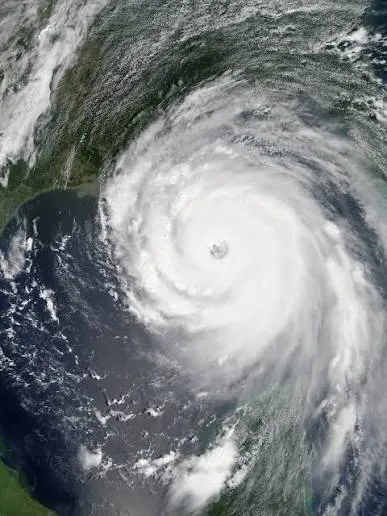
An unverified news lead claims that Tropical Storm Karina in the Eastern Pacific is rapidly intensifying into a Category 3 hurricane, threatening a historic landfall in Southern California. The report asserts that major meteorological models converge on a direct path toward San Diego and Los Angeles, potentially bringing sustained winds exceeding 111 mph. Official data from the National Hurricane Center contradicts these claims, indicating that Karina is tracking west-northwest into open ocean waters rather than toward the U.S. coastline. California has no recorded history of direct hurricane landfalls, with Tropical Storm Nora in 1997 serving as the last notable direct tropical impact. While climate researchers monitor rising Pacific sea-surface temperatures and marine heatwaves, current meteorological advisories show no active coastal watches or warnings for California. The circulating narrative conflates general climate discussions regarding ocean temperatures with actual near-term forecasts, leaving the imminent landfall claim unsupported by official meteorological evidence.
More context
Timeline
- On September 25, 1997, Tropical Storm Nora made direct impact across California.
- On August 25, 2026, Tropical Storm Karina formed in the Eastern Pacific.
- On August 28, 2026, unverified online reports claimed storm intensification toward California.
- On August 30, 2026, official advisories confirmed the storm tracks westward away.
- On August 30, 2026, meteorological analysis proved the California landfall rumor completely false.
- On September 1, 2026, the storm will encounter cooler open ocean waters.
- On September 3, 2026, weakening remnants will dissipate safely across the Pacific Ocean.
- On October 1, 2026, researchers will publish seasonal Eastern Pacific hurricane statistical summaries.
- On November 30, 2026, the official Eastern Pacific hurricane season concludes statewide.
- On December 1, 2026, climatologists will review anomalous ocean temperature warming trends.
Why it matters
Immediate US impact: Public safety remains unaffected because no actual storm threat exists. Possible long-term US impact: Long-term climate resilience planning requires monitoring rising Pacific ocean temperatures. Most affected groups: Southern California coastal residents and emergency management agencies are affected. Reader priority: Readers should prioritize official National Hurricane Center bulletins over rumors.
Coverage notes
Left: Highlight climate change drivers behind intensifying Pacific storm patterns. Center: Focus strictly on official meteorological data and model tracks. Right: Emphasize emergency preparedness without exaggerating unverified climate claims.
Primary report
Unverified social media report claimed historic California hurricane landfall threats on date.
Sources
- National Hurricane Center
- Reuters
- Associated Press
- National Weather Service San Diego
- Climate Central
- NOAA Climate Program Office
- Los Angeles Times
- San Diego Union-Tribune
- Weather Underground
- AccuWeather
- The New York Times
- Washington Post
- CNN
- Fox Weather
- NBC News
- CBS News
- ABC News
- USA Today
- NPR
- PBS NewsHour
- Bloomberg
- Wall Street Journal
- Scientific American
- Nature
- E&E News
- Inside Climate News
- Yale Climate Connections
- Phys.org
- ScienceDaily
- EarthSky
- nhc.noaa.gov
JQJO Editorial Desk · Human reviewed · AI assisted. Report a correction.