US Treasury blocks certain journalists from G20 meeting in North Carolina
Tap title to read story
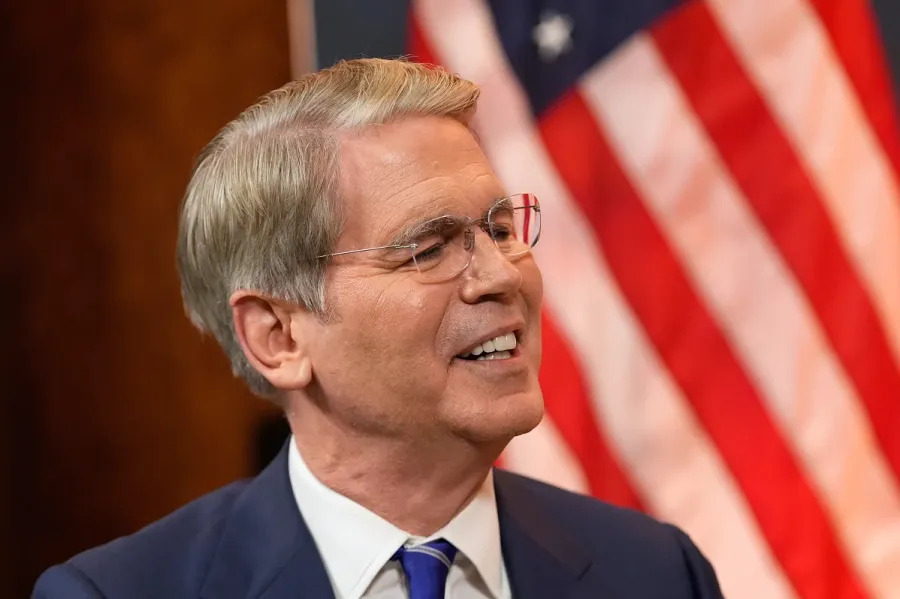
The U.S. Treasury Department has denied credentials to reporters from The New York Times, The Wall Street Journal and Bloomberg News for the G20 finance ministers and central bank governors meeting in Asheville, North Carolina. The denied journalists include Times Treasury correspondent Alan Rappeport and Wall Street Journal Treasury correspondent Matt Grossman. Bloomberg said several accreditation requests were rejected. Treasury Secretary Scott Bessent told The Associated Press the decisions had “nothing to do with point of view,” while the department has not explained individual denials. Another Times journalist, Berlin bureau chief Jim Tankersley, received credentials. Treasury said nearly 300 journalists from about a dozen countries will attend, including representatives of NPR, The Washington Post and Al Jazeera. The meeting runs August 31 through September 1 and will address global growth, trade imbalances, debt, supply chains and Iran sanctions. The decisions remain disputed, but viewpoint-based exclusion has not been independently established.
More context
Timeline
- On February 19, 2026 Treasury announced Asheville G20 Track plans.
- On April 16, 2026 finance ministers met previously in Washington.
- On August 5, 2026 Treasury opened media credentialing for Asheville.
- On August 24, 2026 journalists faced Treasury accreditation application deadline.
- On August 29, 2026 deputies began G20 Finance Track meetings.
- On August 30, 2026 denied reporters' exclusions became reported nationwide.
- On August 30, 2026 Bessent denied viewpoint influenced credentialing decisions.
- On August 31, 2026 ministers and governors begin Asheville meetings.
- By September 1, 2026, meeting outcomes should clarify U.S. priorities.
- By October 15, 2026, another finance meeting may test progress.
- By December 14, 2026, leaders summit convenes at Trump Doral.
Why it matters
Immediate US impact: Media restrictions may reduce public Treasury transparency. Possible long-term US impact: Selective credentialing could intensify executive press-access disputes. Reader priority: Readers should prioritize primary statements, independent reporting, and competing claims. Most Affected: Financial journalists, news organizations, Treasury officials, policymakers, audiences.
Coverage notes
Left: Left framing emphasizes press freedom and selective exclusion without rationale. Center: Center framing emphasizes credential denials, Treasury's response, and unresolved rationale. Right: Right framing emphasizes administrative discretion, security screening, and media access.
Primary report
On August 29, 2026, New York Times reported credential denials.
Sources
JQJO Editorial Desk · Human reviewed · AI assisted. Report a correction.