U.S. Lawmakers Decry Toll as Iran War Hits Six-Month Mark
PUBLISHED Aug 28, 2026, 7:28 PM ET
Read, Watch or Listen
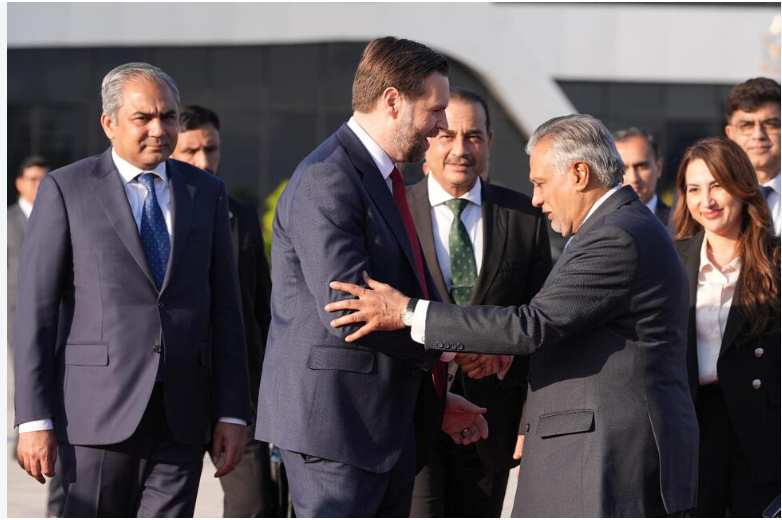
President Donald Trump marked the six month anniversary of the United States and Israel military campaign against Iran amid mounting political pressure. Lawmakers from both parties renewed calls for an immediate conclusion to the conflict as economic and material costs continue to rise domestically. The military offensive, which commenced on February twenty eighth, has cost the federal government over thirty seven billion dollars while straining readiness and pushing fuel prices higher. Although the administration claims strategic objectives are met, independent polling shows widespread public disapproval ahead of upcoming midterm elections. Washington officials are shifting focus from active airstrikes toward an aggressive naval blockade and expanded economic sanctions designed to weaken Tehran. Meanwhile, regional shipping through the critical Strait of Hormuz remains heavily disrupted, contributing to persistent global energy market instability. Tehran continues facing severe economic hardship, though Iranian authorities maintain tactical resistance, leaving this protracted conflict without any clear endpoint.
By Michael Grant | JQJO News
Timeline of Events
- On February 28, 2026: United States and Israel launch major airstrikes against Iranian targets.
- On April 17, 2026: Tehran asserts that Hormuz shipping requires stopping the American blockade.
- On June 14, 2026: President Trump announces complete deal and toll free strait opening.
- On July 13, 2026: United States reinstates naval blockade after previous ceasefire agreement collapses.
- On August 28, 2026, 10:13 AM PDT: Lawmakers decry mounting costs as war hits six months duration.
- On August 28, 2026, 11:00 AM PDT: White House shifts focus toward aggressive economic pressure and sanctions.
- On August 29, 2026, 1:00 AM PKT: Pentagon confirms significant attrition of Iranian military and naval infrastructure.
- In late 2026: Congressional inquiries will investigate military spending and procurement inventory shortages.
- Throughout 2027: Economic sanctions will maintain severe pressure on Iranian civilian population.
- By November 2026: Voters will express war discontent during upcoming congressional midterm elections.
News Intelligence
- Immediate US impact: Inflation rises and public disapproval grows before upcoming midterm elections.
- Possible long-term US impact: Depleted weapons stockpiles threaten future military readiness and defense capabilities.
- Most affected groups: American taxpayers, military families, energy consumers, and federal government agencies.
- Prioritise Guidance: Prioritize official Pentagon statements and verified economic inflation data reports.
- Articles Published:
- 31
- Right Leaning:
- 4
- Left Leaning:
- 7
- Neutral:
- 20
- Distribution:
- Left 23%, Center 65%, Right 13%
Left: Progressive outlets emphasize mounting human costs and presidential policy failures. Center: Mainstream reports focus objectively on military milestones and legislative reactions. Right: Conservative commentary highlights strategic degradation of Iranian military regime assets.
On August 28, CBC News reports lawmakers demanding war end. https://www.cbc.ca/news/world/iran-war-six-months-trump-9.7323892
Coverage of Story:
From Left
Six months of war between Iran, US leave Arab states facing tough questions
Al Jazeera The Guardian CNN The New York Times NBC News Los Angeles Times The AtlanticFrom Center
U.S. Lawmakers Decry Toll as Iran War Hits Six-Month Mark
CBC News India Today CBC News Reuters Associated Press Bloomberg Politico The Hill Financial Times BBC News NPR CBS News ABC News USA Today CNBC Axios Newsweek Time Foreign Policy Washington PostFrom Right
Trump administration lets six-month anniversary of Iran war pass with little fanfare
The Washington Examiner Fox News The Wall Street Journal Daily Mail




Comments