Toxic Metal Fallout from Battery Plant Fire Contaminates California Wetland
PUBLISHED Aug 28, 2026, 9:58 AM ET
More than 18 months after a January 2025 fire at the Moss Landing battery storage facility released an estimated 55,000 pounds of heavy metals into nearby wetlands, researchers and regulators remain divided over the disaster's lasting impact. A peer-reviewed study by San Jose State University found metal concentrations in Elkhorn Slough soil increased 100 to 1,000 times above baseline levels. However, a report commissioned by facility owner Vistra Corp., released in August 2026, concluded that soil, sediment and surface water samples taken months later posed no unacceptable risk to human health or the environment. The timing of sampling explains the discrepancy, with San Jose State collecting data immediately after the fire and Vistra's consultant testing four to nine months later. State regulators have cautioned that the report's conclusions are limited. Meanwhile, a class-action lawsuit against Vistra and PG&E continues, and the fire's cause remains undetermined. The EPA is overseeing the largest lithium-ion battery cleanup in its history, with Phase 2 demolition expected to continue into 2027.
By Emily Rhodes | JQJO News
- Articles Published:
- 2
- Right Leaning:
- 0
- Left Leaning:
- 0
- Neutral:
- 2
- Distribution:
- Left 0%, Center 100%, Right 0%
Left: Highlights resident health complaints, corporate negligence, and insufficient government oversight. Center: Reports conflicting scientific findings and ongoing regulatory processes without taking sides. Right: Emphasizes no unacceptable health risks found and Vistra's cleanup progress.
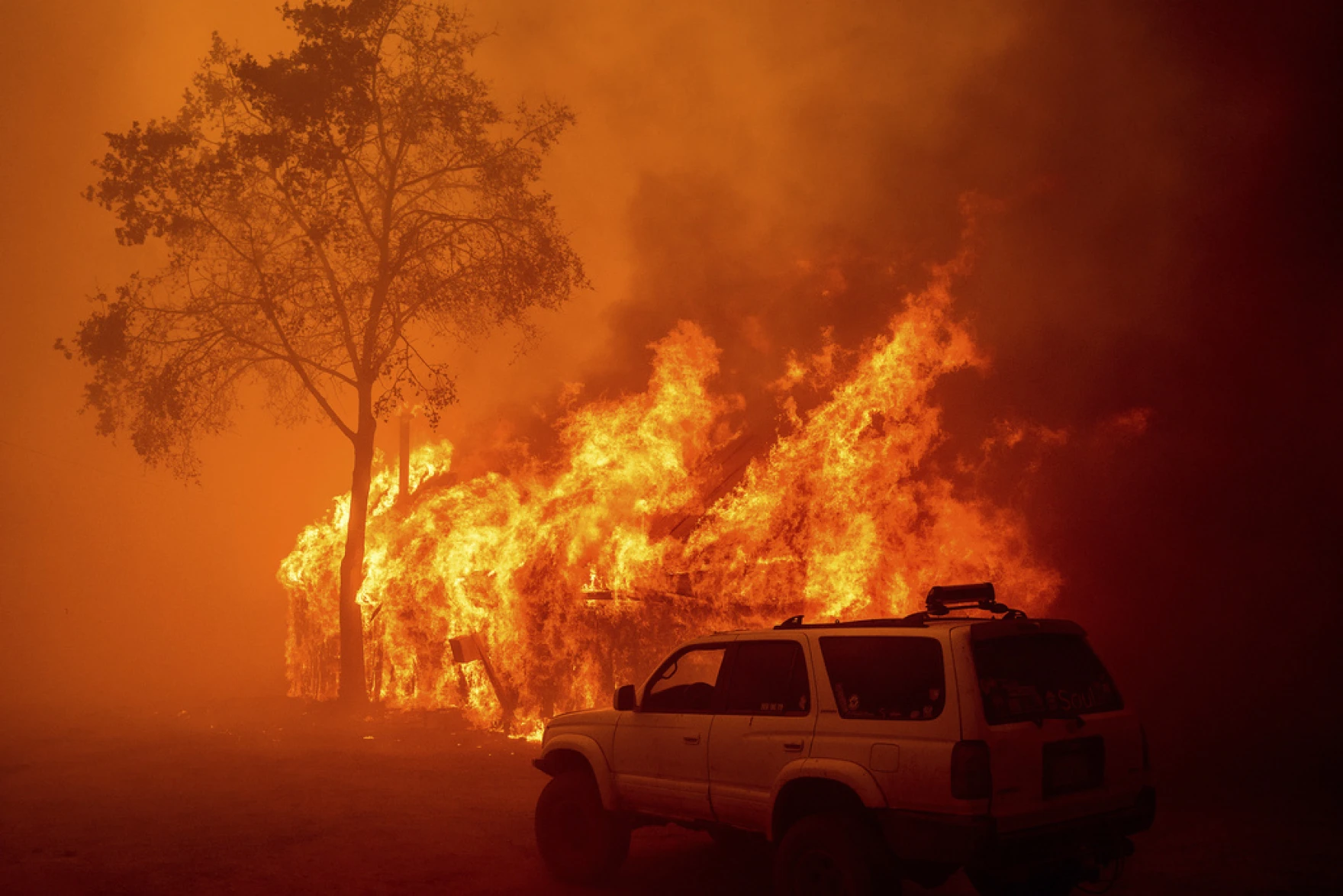
January 16, 2025 trigger_description: Fire at Vistra's Moss Landing 300 battery facility on January 16, 2025 https://response.epa.gov/site/site_profile.aspx?site_id=16792


Comments