Bessent, Warsh diverge on who should set the price of money
PUBLISHED Aug 27, 2026, 2:24 AM ET
Read, Watch or Listen
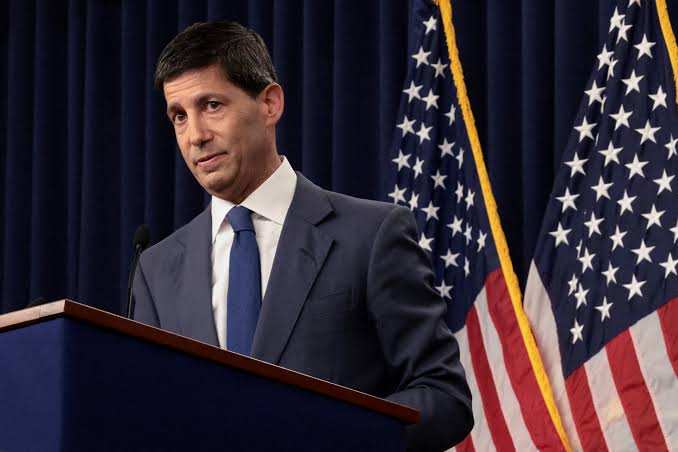
Treasury Secretary Scott Bessent and Federal Reserve Chairman Kevin Warsh are publicly divided over U.S. financial policy regarding long-term borrowing costs and interest rate management. Bessent announced plans to double buybacks of longer-dated debt to curb rising yields, which recently pushed thirty-year rates to a nineteen-year high. Conversely, Warsh advocates for a hands-off approach, urging central bank reliance on bond markets to independently dictate rates rather than active intervention. Critics, including hedge fund manager Stanley Druckenmiller, argue that Bessent is attempting artificial price management that overlooks fundamental economic pressures like sticky inflation and expanding fiscal deficits. Analysts emphasize that technical adjustments by the Treasury cannot resolve persistent structural budget deficits without direct fiscal actions such as spending cuts or tax increases. Financial markets remain focused on upcoming central bank addresses for clarity on future monetary policy direction amid conflicting federal strategies.
By James Porter | JQJO News
Timeline of Events
- On August 20, 2026, Treasury Secretary Scott Bessent announced debt buyback plans.
- On August 22, 2026, thirty-year Treasury rates reached a nineteen-year high.
- On August 25, 2026, investor skepticism grew regarding federal debt intervention tools.
- On August 27, 2026, market analysts debated federal deficit impacts on yields.
- On August 28, 2026, Federal Reserve Chairman Kevin Warsh prepared Jackson Hole remarks.
- On August 29, 2026, financial observers monitored central bank policy communication shifts closely.
- On September 5, 2026, bond market reactions will test Treasury buyback effectiveness.
- On September 15, 2026, upcoming economic data releases will measure inflation persistence trends.
- On October 1, 2026, federal fiscal policy discussions will resume inside congressional committees.
- On November 1, 2026, markets will evaluate federal debt issuance schedule adjustments.
News Intelligence
- Immediate US impact: Immediate US impact on financial markets and long-term borrowing costs.
- Possible long-term US impact: Long-term US impact on national debt management and currency stability.
- Most affected groups: Most affected groups include bond traders, institutional investors, and federal policymakers.
- Reader priority: Reader priority across media involves monitoring official central bank policy statements.
- Articles Published:
- 31
- Right Leaning:
- 4
- Left Leaning:
- 5
- Neutral:
- 22
- Distribution:
- Left 16%, Center 71%, Right 13%
Left: Highlights risks of executive intervention overriding independent central banking authorities. Center: Reports neutral details on contrasting policy tools between treasury and fed. Right: Emphasizes market freedom principles against government attempts at price management.
Reuters published an analysis on Bessent and Warsh policy divides on August 27, 2026. https://www.reuters.com/markets/us/bessent-warsh-diverge-who-should-set-price-money-2026-08-27/
Coverage of Story:
From Left
Economic policy fracture emerges between Treasury and Federal Reserve
Politico The New York Times Washington Post CNN Business SlateFrom Center
Bessent, Warsh diverge on who should set the price of money
Karen Brettell Reuters Bloomberg Financial Times Associated Press CNBC MarketWatch Yahoo Finance Barron's The Hill Forbes Institutional Investor Axios Fortune Investing.com TradingView Business Insider The Economist Bloomberg Radio Morningstar Seeking Alpha The Financial ExpressFrom Right
Bessent and Warsh Disagree on Managing U.S. Borrowing Costs
The Wall Street Journal Fox Business ZeroHedge National Review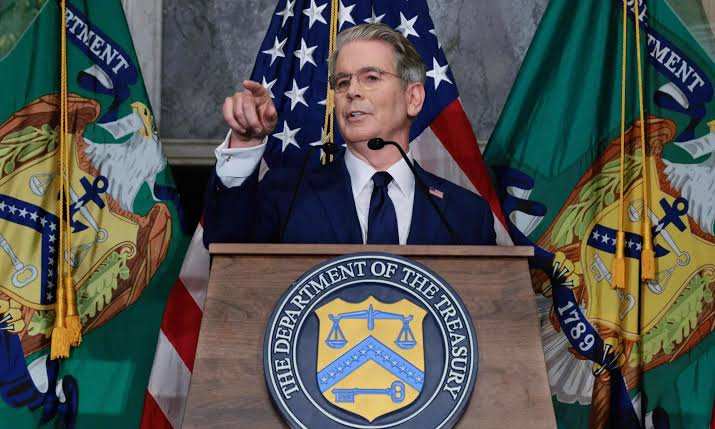





Comments