Iran warns of military ship ban in Hormuz under potential deal with Oman and other Middle East news
PUBLISHED Aug 26, 2026, 11:51 AM ET
Read, Watch or Listen
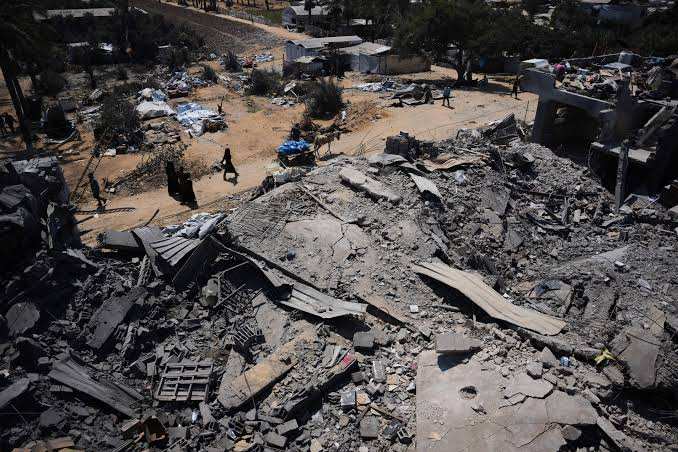
Iran and Oman are negotiating a temporary maritime framework to manage traffic through the Strait of Hormuz, excluding all foreign military vessels from traversing the vital shipping corridor. Iranian Deputy Foreign Minister Kazem Gharibabadi stated on state television that commercial vessels entering the Persian Gulf would travel exclusively through Iranian territorial waters, while outbound traffic would share Iranian and Omani waters. The proposed arrangement requires formal discussions within 30 to 60 days to determine a permanent traffic scheme. The Strait of Hormuz remains severely disrupted nearly six months into the conflict involving Iran, the United States, and Israel. U.S. President Donald Trump publicly threatened military action against Oman if it facilitates the agreement, as Washington opposes restrictions on international naval transit. Meanwhile, military friction continues across the region, including targeted Israeli strikes in Gaza that test a fragile truce and ongoing Israeli expansion into West Bank settlements.
By Sarah Whitman | JQJO News
Timeline of Events
- On Oct 7 2023 Hamas attacks triggered wider ongoing Middle East military conflict.
- On Dec 1 2022 Netanyahu government expanded West Bank settlement activity significantly.
- On Feb 28 2026 U.S. and Israel initiated major military conflict against Iran.
- On Aug 25 2026 Iran and Oman discussed Strait of Hormuz maritime routing.
- On Aug 25 2026 Netanyahu announced 104 settlements and 160 outposts legalized.
- On Aug 26 2026 (20:48 PKT) Iran announced proposed military ship ban in Hormuz.
- On Aug 26 2026 Israeli strike hit southern Gaza displaced person shelter.
- On Sep 25 2026 Iran and Oman intend to begin permanent traffic discussions.
- On Oct 25 2026 Negotiators aim to finalize permanent Hormuz transit agreement scheme.
- On Jan 1 2027 U.S. military posture may shift depending on Omani negotiations.
News Intelligence
- Immediate US impact: Immediate US impact: Elevated global oil price volatility and heightened naval military readiness.
- Possible long-term US impact: Possible long-term US impact: Protracted maritime supply chain disruption and altered Middle East presence.
- Most affected groups: Most affected groups: Commercial shipping operators, global energy markets, and U.S. military.
- Reader priority: Reader priority: Distinguish official government state statements from ongoing diplomatic negotiation drafts.
- Articles Published:
- 30
- Right Leaning:
- 3
- Left Leaning:
- 7
- Neutral:
- 20
- Distribution:
- Left 23%, Center 67%, Right 10%
Left: Highlights U.S. aggression and risks to regional stability created. Center: Reports factual diplomatic statements and shipping traffic negotiations objectively without bias. Right: Emphasizes Iranian aggression, maritime disruption, and bold American military deterrence.
Iranian Deputy Foreign Minister announced maritime proposal on state television. https://apnews.com/article/iran-oman-strait-of-hormuz-ship-ban
Coverage of Story:
From Left
Iran negotiates Strait of Hormuz shipping deal as Trump threatens Oman
The Washington Post CNN Politico NBC News The Guardian National Public Radio The IndependentFrom Center
Iran warns of military ship ban in Hormuz under potential deal with Oman and other Middle East news
Associated Press Reuters Bloomberg BBC News Al Jazeera ABC News CBS News Financial Times Deutsche Welle France 24 The Times of Israel Arab News USA Today CNBC MarketWatch Defense News US News & World Report Agence France-Presse Anadolu Agency The HillFrom Right
Iran Threatens Military Ship Ban in Hormuz Traffic Deal
The Wall Street Journal Fox News Jerusalem Post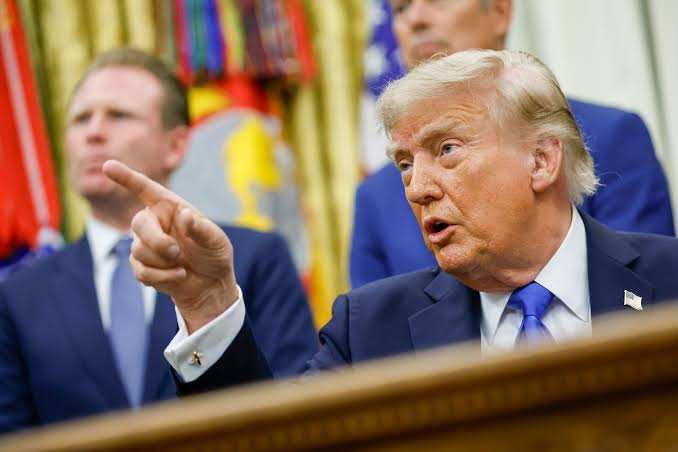






Comments