Oil Surges Past $93 As US-Iran Tensions Threaten Global Energy Supplies
Tap title to read story
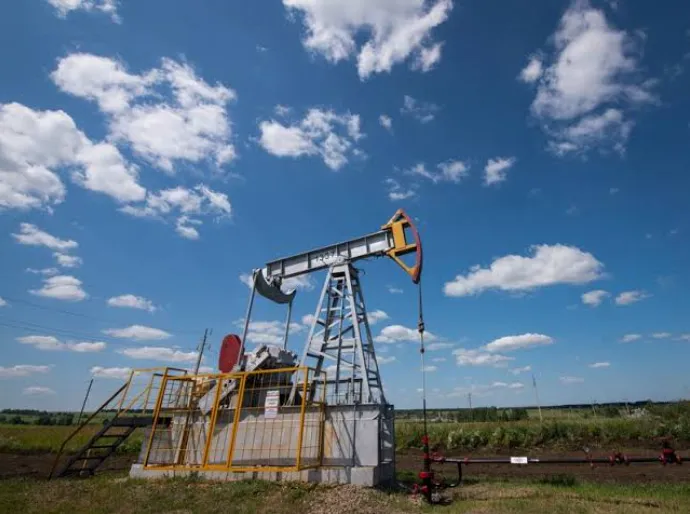
Global crude oil benchmarks surged past ninety three dollars per barrel this week as escalating US and Iran tensions threatened Middle Eastern energy supplies. Brent crude climbed significantly, driven by heightened uncertainties surrounding commercial shipping safety through the critical Strait of Hormuz. Treasury Secretary Scott Bessent announced plans for stringent economic enforcement measures against international entities conducting business with Tehran. President Donald Trump reiterated a dominant security posture, warning that naval blockades and transport bottlenecks would compress petroleum exports further. Vessel tracking data confirmed a substantial decline in commercial cargo movements as independent shipowners avoided the volatile waterway. Energy analysts warned that sustained price elevations heighten risks of renewed inflationary pressures across the domestic American economy. American consumers face rising retail fuel expenses while downstream industrial operators absorb increased operational overhead costs. Global financial markets continue monitoring developments closely as baseline petroleum pricing remains heavily exposed to ongoing supply disruptions.
More context
Timeline
- On February 28, 2026, conflict began across the Middle East region.
- On July 30, 2026, Brent crude breached previous summer trading levels.
- On August 17, 2026, diplomatic peace negotiations between nations officially stalled.
- On August 18, 2026, energy markets reacted strongly as ceasefires expired.
- On August 19, 2026, commercial shipping through Hormuz slowed down significantly.
- On August 20, 2026, Treasury Secretary Scott Bessent announced new sanctions.
- On August 21, 2026, global crude benchmarks surpassed ninety three dollars.
- On August 23, 2026, international analysts warned about looming energy shortages.
- On September 15, 2026, domestic fuel prices will likely climb further.
- On October 10, 2026, inflation figures might reflect persistent energy shocks.
Why it matters
Immediate US impact: Higher retail fuel prices increase daily expenses for American consumers. Possible long-term US impact: Sustained energy costs risk triggering broader inflation across domestic markets. Most affected groups: American motorists and transportation industries face immediate operational cost surges. Reader Priorities: Monitor official shipping updates and Treasury Department announcements regarding sanctions.
Coverage notes
Left: Left outlets emphasize consumer economic pain and rising inflation risks. Center: Center reports focus on shipping statistics and global market reactions. Right: Right outlets highlight executive trade policies and strict economic sanctions.
Primary report
Reuters reported surging oil prices driven by Middle Eastern tensions.
Sources
- CNN Business
- The Guardian
- Al Jazeera
- Washington Post
- New York Times
- Los Angeles Times
- Reuters
- Bloomberg
- CNBC
- Financial Times
- Associated Press
- Yahoo Finance
- MarketWatch
- Hindustan Times
- Pluang
- Equiti
- IG Trading
- Trading Economics
- BBC News
- Politico
- Chicago Tribune
- Houston Chronicle
- Fortune
- Business Insider
- Time
- PBS NewsHour
- NPR
- Wall Street Journal
- Fox Business
- Forbes
- Reuters
JQJO Editorial Desk · Human reviewed · AI assisted. Report a correction.