Rising Treasury Yields Not a Concern, But Inflation Still Uncertain
Tap title to read story
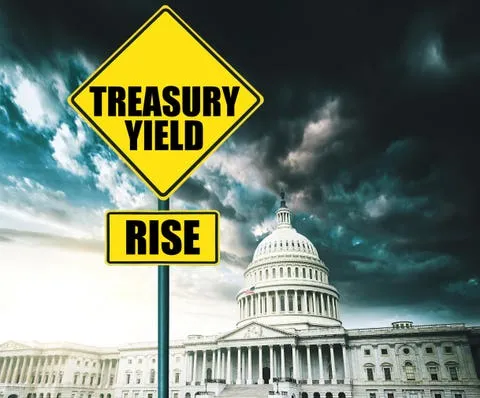
Minneapolis Federal Reserve President Neel Kashkari said Sunday that rising Treasury yields do not indicate a market-functioning problem and should not, by themselves, alter monetary policy. Appearing on CBS’s Face the Nation, Kashkari said Treasury trading remains orderly and liquid, allowing the Federal Reserve to use the federal-funds rate as its primary policy tool. The benchmark 10-year Treasury yield ended last week near 4.73%, while the 30-year yield remained close to its highest level since 2007. Kashkari nevertheless said he remains uncertain that inflation is returning quickly to the Fed’s 2% target and declined to prejudge the September policy meeting. The Fed held rates at 3.50%-3.75% in July in a 9-3 vote, with Kashkari and two other regional presidents favoring a quarter-point increase. The Bureau of Economic Analysis will release July PCE data Wednesday. Investors will also watch Fed Chair Kevin Warsh’s Jackson Hole speech Friday for additional policy signals.
More context
Timeline
- On July 29, 2026, Fed held rates unchanged after dissenters.
- On August 19, 2026, Fed minutes confirmed three hawkish dissenters.
- On August 21, 2026, Treasury yields finished higher across maturities.
- On August 23, 2026, Kashkari said Treasury markets remain liquid.
- On August 23, 2026, Kashkari declined endorsing September rate hike.
- On August 26, 2026, BEA will release July PCE inflation.
- On August 28, 2026, Warsh will address Jackson Hole policymakers.
- On September 16, 2026, Fed may adjust rates after data.
- On late 2026, persistent inflation could keep Treasury yields elevated.
- On 2027, persistent inflation may prolong restrictive monetary policy conditions.
Why it matters
Immediate US impact: Higher yields keep borrowing costs elevated nationally. Possible long-term US impact: Persistent inflation may delay easing, keeping yields high. Reader priority: Readers should prioritize official data, transcripts, minutes, and independent reporting. Most Affected: Borrowers, homeowners, businesses, investors, Treasury officials, and policymakers.
Coverage notes
Left: Coverage evidence was insufficient to establish a left framing. Center: Coverage emphasized data, Fed uncertainty, yields, and policy options. Right: Coverage emphasized fiscal borrowing, inflation persistence, and higher yields.
Primary report
On August 23, 2026, at 1:03 p.m. EDT, CBS published.
Sources
JQJO Editorial Desk · Human reviewed · AI assisted. Report a correction.