Supreme Court Temporarily Allows Trump's $400M White House Ballroom Project to Continue
Tap title to read story
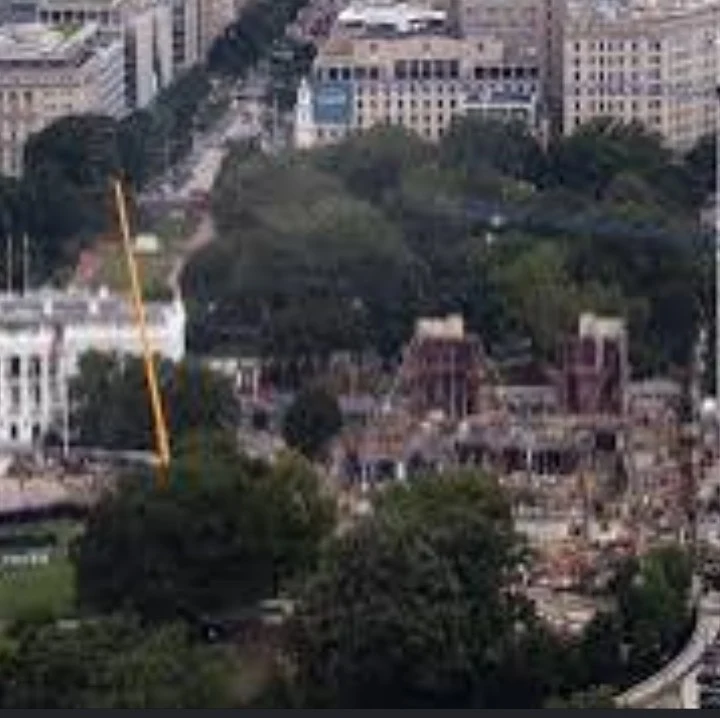
The Supreme Court on Aug. 21 temporarily allowed the Trump administration to continue construction of a $400 million ballroom at the White House while justices consider an emergency appeal. Chief Justice John Roberts issued an administrative stay hours before a lower-court order requiring most above-ground work to stop was scheduled to take effect. The order does not resolve whether Trump had authority to undertake the project without congressional approval. The D.C. Circuit on Aug. 7 upheld an injunction blocking above-ground ballroom construction, finding the National Trust for Historic Preservation likely had standing and that federal law required congressional authorization. The administration argues the project is an integrated military and security complex and is necessary for presidential protection. Court filings said construction was 65% complete by Aug. 14, with crews working 20 hours daily. The preservation group argues the administration accelerated construction to outrun judicial review. Supreme Court review remains pending.
More context
Timeline
- October 2025 — On October 2025, crews demolished the East Wing for construction.
- December 2025 — On December 2025, National Trust sued to halt ballroom construction.
- February 26, 2026 — On February 26, 2026, district court denied initial injunction request.
- March 31, 2026 — On March 31, 2026, Judge Leon issued injunction halting construction.
- April 16, 2026 — On April 16, 2026, Leon clarified only above-ground ballroom construction.
- August 7, 2026 — On August 7, 2026, appeals court upheld construction injunction order.
- August 13, 2026 — On August 13, 2026, administration sought Supreme Court emergency stay.
- August 18, 2026 — On August 18, 2026, preservationists urged justices to intervene now.
- August 21, 2026 — On August 21, 2026, Roberts temporarily allowed construction to continue.
- Coming days — In coming days, Supreme Court may extend, modify, or dissolve stay.
- Later 2026 — Later this year, justices could decide merits or deny relief.
- Long term — Long-term, ruling could clarify presidential authority over federal property nationwide.
Why it matters
Immediate US impact: Construction continues, while Supreme Court considers unresolved presidential-power dispute nationally. Possible long-term US impact: Decision could reshape limits on presidential control of federal property. Reader priority: Prioritize court orders, filings, official statements, and independently reported developments over social-media claims. Most Affected: Trump administration, preservationists, Congress, federal agencies, Washington residents, taxpayers, courts.
Coverage notes
Left: Coverage emphasizes presidential power, congressional authority, preservation, and legal safeguards. Center: Coverage emphasizes temporary stay, unresolved legality, competing arguments, and procedural developments. Right: Coverage emphasizes presidential authority, national security, construction progress, and administration arguments.
Primary report
Roberts issued temporary stay August 21, preserving construction pending review.
Sources
- The Washington Post
- Los Angeles Times
- The Guardian
- Vox
- The Daily Beast
- New York Magazine
- CNN
- Esquire
- Al Jazeera
- Reuters
- Associated Press
- ABC News
- CBS News
- The Wall Street Journal
- Bloomberg
- UPI
- People
- Town & Country
- Fortune
- PBS NewsHour
- NPR/KPBS
- NBC News
- Philadelphia Inquirer
- SeattlePI
- SCOTUSblog
- Japan Times
- Roll Call
- Fox News
- Washington Examiner
- Reason
- Telangana Today
JQJO Editorial Desk · Human reviewed · AI assisted. Report a correction.