White House Loses Key Aide as Iran War Stalls
Tap title to read story
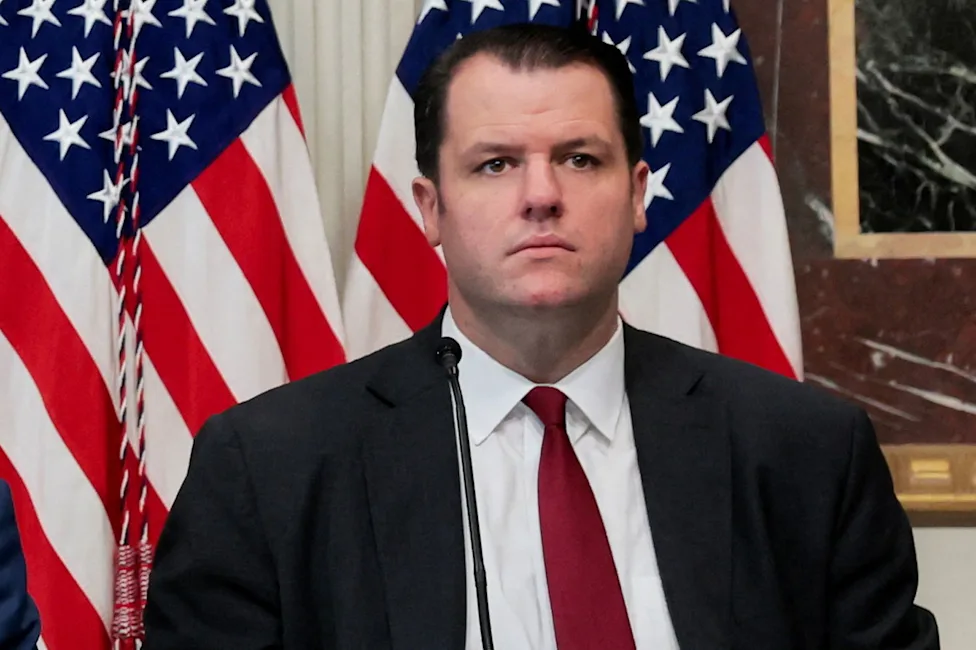
White House Legislative Affairs Director James Braid is departing the Trump administration in September amid intense political pressure and congressional friction over the ongoing conflict with Iran. Braid's exit follows recent departures by Press Secretary Karoline Leavitt and Deputy Chief of Staff James Blair, occurring as President Donald Trump faces record-low approval ratings and Republicans prepare for difficult midterm elections. Braid managed a narrow congressional majority, negotiating major fiscal packages and cabinet confirmations. Meanwhile, lawmakers like Representative Jason Crow criticized the administration for lacking a clear strategy in Iran, pointing to public opposition and the return of the USS Abraham Lincoln carrier. In response, President Trump announced aggressive economic sanctions against Tehran, prompting dismissal from Iranian officials. Analysts remain skeptical that increased financial pressure will force a shift in Iranian policy, as White House turnover underscores mounting domestic and geopolitical challenges for the administration.
More context
Timeline
- On January 20, 2025, Donald Trump inaugurated his second presidential term in Washington.
- On May 15, 2025, congressional Republicans maintained a slim majority during crucial legislative votes.
- On November 1, 2025, military deployments expanded across the Middle East amid rising tensions.
- On August 15, 2026, Representative Jason Crow criticized administration strategy regarding the Iran conflict.
- On August 17, 2026, Press Secretary Karoline Leavitt announced her departure from the White House.
- On August 20, 2026, President Trump declared crushing economic sanctions against the Iranian government.
- On August 21, 2026, White House Legislative Affairs Director James Braid announced September departure.
- On August 24, 2026, Treasury Secretary Scott Bessent scheduled a detailed economic measure briefing.
- On September 1, 2026, James Braid will officially step down from his legislative position.
- In November 2026, United States voters will participate in critical midterm congressional elections.
Why it matters
Immediate market and legislative focus shifts toward upcoming economic sanctions announcements. Long-term political consequences could alter upcoming congressional elections and foreign policy. White House officials, congressional members, military personnel, and treasury representatives are affected. Readers should prioritize verified reports from major wire services and official government statements
Coverage notes
Left: Highlighting administrative chaos and failed foreign policies. Center: Reporting staff changes alongside policy challenges neutrally. Right: Emphasizing aggressive economic strategies and legislative accomplishments.
Primary report
White House legislative affairs director announced departure on August
Sources
JQJO Editorial Desk · Human reviewed · AI assisted. Report a correction.