West Virginia Flooding Emergency
Tap title to read story
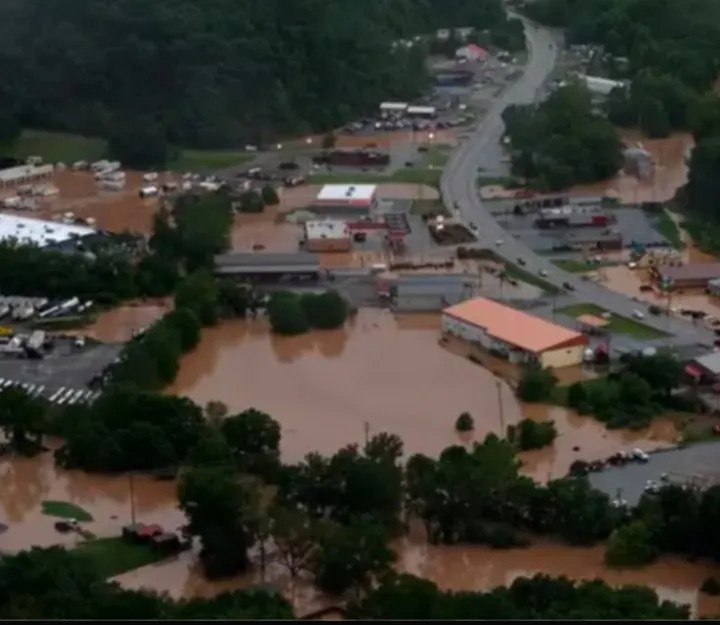
Governor Patrick Morrisey declared a State of Emergency for all 55 West Virginia counties on Tuesday after severe storms brought excessive rainfall, flash flooding, and mudslides across the state from August 16 to August 18 . The slow-moving storm systems dumped near-record rainfall in several areas within hours, causing significant damage to homes, businesses, public infrastructure, and essential services . The declaration remains in effect for 30 days unless terminated earlier . This new emergency is separate from a prior State of Emergency declared for storms beginning July 21, which was recently extended through September 19 for 12 counties still recovering . Governor Morrisey stated that the declaration provides emergency responders and agencies the flexibility to coordinate resources and support recovery efforts . Emergency crews continue working alongside local and federal partners to assess damage .
More context
Timeline
- Past Events
- · On July 21, 2026: Severe storms and catastrophic flooding began impacting West Virginia communities.
- · On July 21, 2026: Governor Morrisey issued a statewide State of Emergency for all counties.
- · On July 24, 2026: Governor requested an Expedited Major Disaster Declaration from President Trump.
- · On July 24, 2026: Over 950 household damage reports were received through state systems .
- · On August 3, 2026: President Trump approved $4.5 million in expedited federal disaster aid .
- · On August 16, 2026: New slow-moving storm systems began moving across West Virginia .
- · On August 16, 2026: Near-record rainfall triggered rapid flash flooding and mudslides .
- · On August 17, 2026: Widespread water rescues were reported across multiple counties .
- · On August 17, 2026: A woman died in Fayette County after being swept away .
- · On August 18, 2026: Governor Morrisey declared a State of Emergency for all 55 counties .
- Present Situation
- · On August 20, 2026: A Flood Watch remained active for parts of West Virginia .
- · On August 20, 2026: State crews and emergency responders continue working across affected regions .
- · On August 20, 2026: The State of Emergency remains active for all 55 counties .
- · On August 20, 2026: Local and state officials are conducting ongoing damage assessments .
- · On August 20, 2026: The West Virginia Emergency Management Division coordinates federal and local partners .
- · On August 20, 2026: Recovery efforts from July flooding continue in 12 counties .
- Future Expectations
- · More scattered showers could cause additional flooding in the coming days .
- · Damage assessments across all counties will likely take weeks to complete .
- · Governor may request further federal assistance if damages exceed state capabilities.
- · Cleanup and property restoration in some areas will require extended timelines .
- · The State of Emergency will remain in effect for 30 days unless terminated.
Why it matters
Immediate US Impact: Flood emergencies continue straining West Virginia communities and state resources. Long-term US Impact: Recovery costs will likely drive further federal disaster aid requests. Affected Groups: Communities, homeowners, businesses, and infrastructure in all 55 counties. Reader Priority: Monitor local emergency alerts and avoid travel through flooded areas.
Coverage notes
Left: Coverage emphasizes climate change links and need for stronger federal prevention. Center: Reporting focuses on official declarations, damage assessments, and response coordination. Right: Coverage highlights state resilience, federal aid approval, and local leadership.
Primary report
publication_date: August 18, 2026 trigger_description: Governor declares State of Emergency for all 55 counties on August 18, 2026.
Sources
JQJO Editorial Desk · Human reviewed · AI assisted. Report a correction.