
US Military Runs Secret Oil Corridor Through Strait of Hormuz Amid Iran War
Tap title to read story
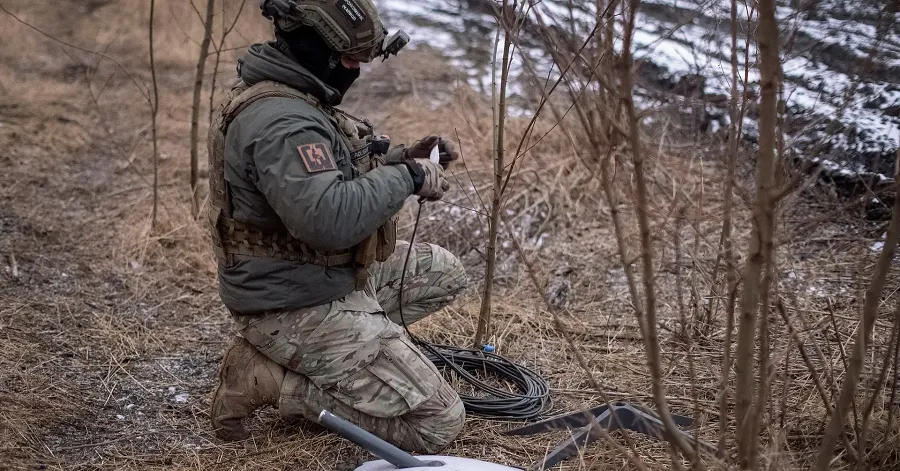
The U.S. military has established a shipping corridor through the Strait of Hormuz, allowing oil tankers to move despite continuing conflict with Iran, Axios reported Wednesday, citing two U.S. officials. The officials said 15 to 20 tankers can transit nightly through a southern lane near Oman, carrying about 10 million barrels of oil daily, although independent tracking data indicates substantially lower visible traffic and warns that vessels operating without transponders may be missed. U.S. forces reportedly protect tanker movements and help empty vessels enter the Gulf, load oil from regional producers and depart safely. The operation followed U.S. strikes that degraded Iranian coastal surveillance, radar and maritime capabilities. CENTCOM has separately confirmed attacks against Iranian radar and maritime systems and said commercial vessels continue receiving U.S. military support. President Donald Trump has said the strait is open, while Iranian officials maintain it remains closed. Shipping remains well below prewar levels.
More context
Timeline
- On June 19, Washington and Tehran agreed reopening Hormuz navigation.
- On July 7, U.S. strikes targeted Iranian radar and missile systems.
- On July 13, CENTCOM said strikes degraded threats against shipping.
- On July 24, CENTCOM reported vessels navigating with military support.
- On August 9, Axios reported eight million barrels exiting nightly southward.
- On August 13, UKMTO reported single-digit tanker traffic through Hormuz.
- On August 18, Trump said Hormuz was open and operating.
- On August 19, Axios reported fifteen-to-twenty nightly tanker transits southward.
- On August 19, Lloyd's List recorded seventy-three transits during week.
- On August 20, Reuters reported uncertainty surrounding Hormuz shipping traffic.
- Over coming days, tanker movements could increase if protection continues.
- Over coming weeks, attacks could suppress shipping despite military escorts.
- Over coming months, agreements could normalize transit and reduce insurance.
- Over coming years, Gulf producers may diversify their export routes.
Why it matters
Immediate US impact: Oil flows remain constrained, sustaining risks to American fuel prices. Possible long-term US impact: Prolonged disruption could raise inflation and accelerate energy diversification efforts. Most affected groups: American drivers, refiners, airlines, manufacturers, shippers, consumers, investors, military planners. Reader priority: Prioritize official statements, vessel data, verified reporting, and conflicting evidence.
Coverage notes
Left: Coverage emphasizes escalation risks, civilian shipping dangers, and questionable military strategy. Center: Coverage emphasizes competing claims, shipping data, oil flows, and verification. Right: Coverage emphasizes American military control, operational success, deterrence, and pressure.
Primary report
August 19, Axios reported covert U.S.-assisted tanker movements through southern Hormuz.
Sources
JQJO Editorial Desk · Human reviewed · AI assisted. Report a correction.