Federal Reserve Divided Over Rate Hike as Debt Nears $40 Trillion
PUBLISHED Aug 19, 2026, 4:21 PM ET
Read, Watch or Listen
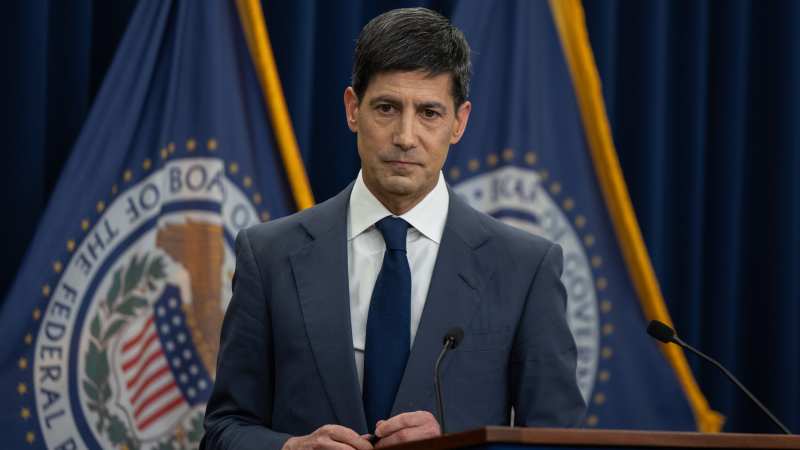
Federal Reserve officials showed a sharper divide over inflation and interest rates at their July meeting, with several policymakers favoring a hike if price pressures remain persistent. The Federal Open Market Committee voted 9-3 on July 29 to keep the federal funds target at 3.5% to 3.75%, with Cleveland’s Beth Hammack, Minneapolis’ Neel Kashkari and Dallas’ Lorie Logan seeking a quarter-point increase. Minutes released Aug. 19 said many participants believed further tightening could become necessary if inflation failed to move toward the Fed’s 2% goal. The minutes also recorded discussion of reducing scheduled policy meetings from eight to six, without a decision. Since the meeting, U.S. retail sales fell 0.6% in July and payrolls declined by 23,000, complicating the case for tightening. Separately, CBO projects a $1.9 trillion fiscal 2026 deficit and $7.4 trillion in outlays. The debt backdrop raises borrowing-cost concerns but did not determine the July Fed vote.
By Daniel Hayes | JQJO News
Timeline of Events
- On June 2026, Fed cuts ended, leaving rates unchanged thereafter.
- On June 17, 2026, FOMC unanimously maintained rates before July.
- On July 13, 2026, Waller warned inflation could require hikes.
- On July 29, 2026, Fed held rates after 9-3 vote.
- On July 29, 2026, Hammack, Kashkari, Logan sought quarter-point increases.
- On August 7, 2026, payrolls unexpectedly declined by 23,000 jobs.
- On August 12, 2026, July CPI showed inflation cooling modestly.
- On August 13, 2026, July producer prices remained unexpectedly unchanged.
- On August 14, 2026, July retail sales fell 0.6 percent.
- On August 19, 2026, minutes showed broader support for tightening.
- On August 26, 2026, July PCE inflation data are scheduled.
- On September 15, 2026, FOMC reassesses rates using newer data.
- Future: Persistent inflation could prompt a quarter-point Fed rate increase.
- Future: Continued labor weakness could keep rates unchanged through December.
- Future: Higher debt-service costs could pressure federal budgets further eventually.
News Intelligence
- Immediate US impact: Borrowing costs remain elevated amid renewed rate-hike uncertainty markets.
- Possible long-term US impact: Persistent inflation may sustain higher borrowing costs and interest.
- Reader priority: Prioritize official minutes, inflation data, jobs reports, and corroborated coverage.
- Most Affected: Households, borrowers, businesses, investors, Treasury officials, regional Fed banks.
- Articles Published:
- 22
- Right Leaning:
- 0
- Left Leaning:
- 3
- Neutral:
- 19
- Distribution:
- Left 14%, Center 86%, Right 0%
Left: Coverage emphasizes inflation's burden and household borrowing costs heavily. Center: Coverage emphasizes vote, inflation data, dissenters, and uncertainty equally. Right: Coverage emphasizes inflation credibility, fiscal pressure, and tighter policy.
On August 19, 2026, 2 p.m. EDT, Fed released minutes. https://www.federalreserve.gov/monetarypolicy/files/fomcminutes20260729.pdf
Coverage of Story:
From Left
A divided Fed holds interest rates steady despite stubborn inflation
The Washington Post Los Angeles Times CNNFrom Center
Federal Reserve Divided Over Rate Hike as Debt Nears $40 Trillion
网易 (163.com) /环球市场播报 Reuters Associated Press Financial Times Axios MarketWatch CBS News Yonhap News Agency Realtor.com CoinDesk The Fiscal Times Western Asset BMO National Restaurant Association Fortune Benzinga Tech Times Fed and Markets Real Estate NewsFrom Right
No right-leaning sources found for this story.



Comments