Trump's Approval Plunges to 33% Amid Iran War Fallout
Tap title to read story
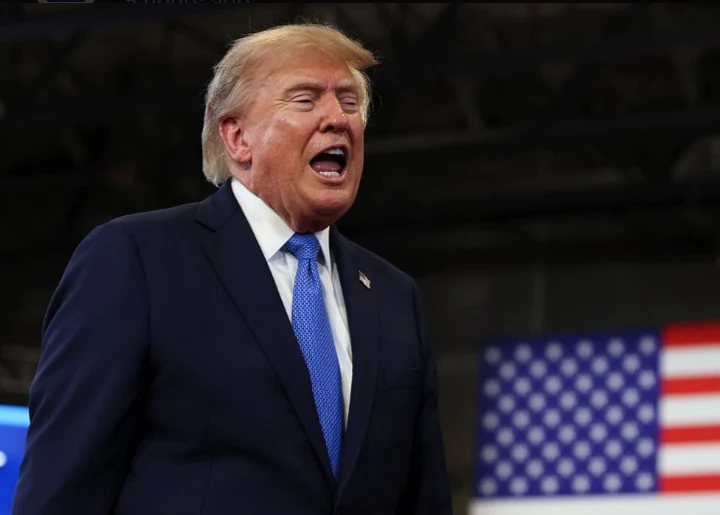
President Donald Trump’s approval rating fell to 33%, tying his lowest level of his presidency, in a Reuters/Ipsos poll released Monday, as Americans expressed growing concern about the prolonged U.S.-Iran conflict. The four-day survey of 1,166 adults found 64% disapproved of Trump’s job performance, while 80% expected U.S. involvement in Iran to continue for an extended period. About one-fifth said the war was worth its costs, including roughly half of Republicans. The conflict has disrupted oil trade and contributed to higher gasoline prices, adding pressure on an administration campaigning on affordability. Reuters reported that Democrats had gained an advantage over Republicans on handling the economy, while the Republican edge on immigration had narrowed sharply since early 2025. The poll signals potential midterm risks for Republicans, although it does not establish that the war caused the approval decline. The IRGC separately denied Trump’s claim of direct backchannel talks, calling it delusional.
More context
Timeline
- February 28, 2026 — On February 28, 2026, U.S.-Israel strikes launched Iran conflict overnight.
- April 7, 2026 — On April 7, 2026, Trump ordered temporary ceasefire with Iran.
- June 17, 2026 — On June 17, 2026, Washington and Tehran signed interim memorandum.
- July 8, 2026 — On July 8, 2026, Trump declared Iran ceasefire officially over.
- July 13, 2026 — On July 13, 2026, Trump notified Congress hostilities had resumed.
- August 14, 2026 — On August 14, 2026, Hormuz traffic slowed amid escalating tensions.
- August 17, 2026 — On August 17, 2026, Reuters/Ipsos recorded Trump's approval at 33%.
- August 17, 2026 — On August 17, 2026, Americans largely expected prolonged U.S. involvement.
- August 18, 2026 — On August 18, 2026, Iran vowed Hormuz closure pending compliance.
- Coming weeks — In coming weeks, continued conflict could pressure gasoline prices nationally.
- November 2026 — By November 2026, sustained dissatisfaction could affect competitive congressional races.
- Beyond 2026 — Beyond 2026, conflict duration may influence future foreign-policy voter attitudes.
Why it matters
Immediate US impact: Low approval increases political pressure on Trump and congressional Republicans. Possible long-term US impact: Prolonged conflict could reshape midterm campaigns, energy politics, and alliances. Reader priority: Compare poll methodology, field dates, primary documents, and competing reporting. Most Affected: Voters, motorists, Republicans, independents, energy businesses, and congressional candidates face.
Coverage notes
Left: Emphasizes prolonged war, rising prices, declining approval, and Republican vulnerability. Center: Emphasizes poll methodology, verified numbers, uncertainty, context, and competing claims. Right: Emphasizes national-security objectives, partisan polling limits, and economic resilience arguments.
Primary report
August 17, 2026: Reuters/Ipsos poll reported Trump's 33% approval.
Sources
JQJO Editorial Desk · Human reviewed · AI assisted. Report a correction.