US Expands Massive Iranian Hacking Charges
Tap title to read story
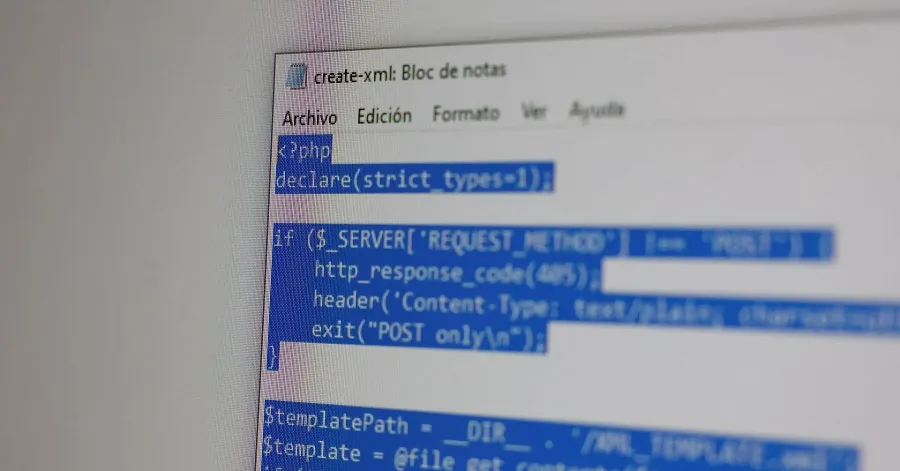
The United States Department of Justice unsealed a superseding indictment on Tuesday charging seventeen individuals associated with the Iranian Mabna Institute for a massive, decade long cyber espionage campaign. Prosecutors state the defendants operated on behalf of the Islamic Revolutionary Guard Corps to target critical intellectual property across global networks. The coordinated intrusions compromised one hundred four American universities, one hundred seventy eight foreign academic institutions, forty two domestic private sector companies, and five federal and state government agencies. The hacking network allegedly exfiltrated over thirty one terabytes of sensitive research and proprietary data, inflicting tens of millions of dollars in remediation costs. Nine defendants were previously indicted in twenty eighteen, but this expansion adds eight new suspects and deeper conspiracy allegations. Federal authorities stressed that the passage of time will not deter accountability for foreign digital threats against American institutions. The State Department also announced a reward program.
More context
Timeline
- On March 23, 2018, federal prosecutors indicted nine Iranian hackers.
- On January 15, 2020, investigators tracked ongoing cyber intrusion campaigns.
- On February 28, 2026, broader Middle Eastern military conflicts escalated.
- On March 19, 2026, authorities disrupted related Iranian psychological operations.
- On August 18, 2026, the Justice Department unsealed superseding indictments.
- On August 18, 2026, prosecutors charged eight additional defendants publicly.
- On August 18, 2026, officials detailed extensive volumes of data.
- On August 19, 2026, reporters documented the unsealed federal indictment.
- In September 2026, courts will process incoming defense legal motions.
- In coming years, international authorities will pursue the listed fugitives.
Why it matters
Immediate US impact: American academic institutions face heightened digital security alerts and scrutiny. Possible long-term US impact: Federal agencies will permanently strengthen cyber defenses against state actors. Most affected groups: American universities, research organizations, technology companies, and federal government agencies. Reader Prioritization: Prioritize verified statements from the United States Department of Justice.
Coverage notes
Left: Emphasizes international cyber espionage risks and broader geopolitical state tensions. Center: Reports factual details of unsealed federal court indictments very neutrally. Right: Highlights foreign security threats and aggressive law enforcement deterrence measures.
Primary report
On August 18, 2026, the Justice Department unsealed new indictments.
Sources
- The New York Times
- The Guardian
- CNN
- NBC News
- The Washington Post
- The Daily Beast
- Department of Justice
- Cybersecurity Dive
- CyberScoop
- Anadolu Agency
- CP24
- Reuters via Internazionale
- iHeart KFI AM 640
- Associated Press
- BBC News
- Bloomberg
- Financial Times
- Politico
- The Hill
- Al Jazeera
- CBS News
- ABC News
- Newsweek
- USA Today
- Time
- PBS NewsHour
- Washington Examiner
- The Wall Street Journal
- Fox News
- National Review
JQJO Editorial Desk · Human reviewed · AI assisted. Report a correction.