U.S. Official Claims Washington Is Debating Nuclear Strike on Iran
Tap title to read story
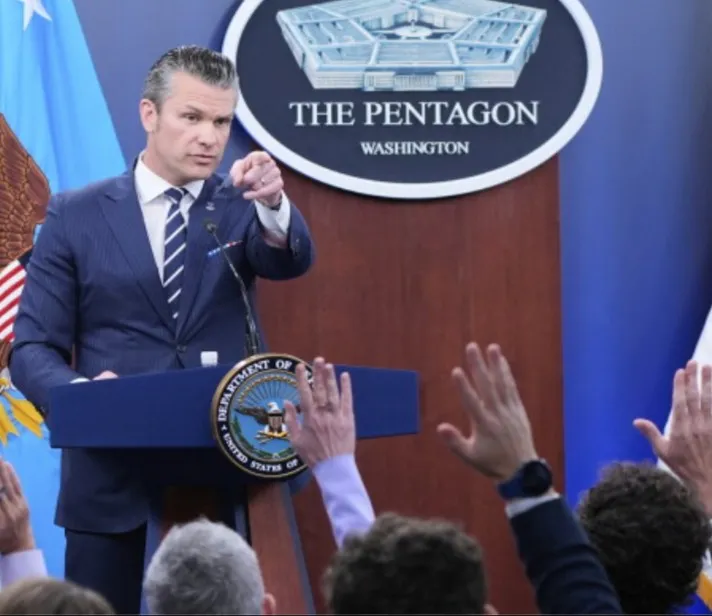
Former Rep. Marjorie Taylor Greene alleged Aug. 16 that Trump administration officials discussed using nuclear weapons against Iran in strategy meetings. Greene said she was not speculating, but provided no names, documents or evidence identifying officials or meetings. The Times of India reported her allegation Aug. 17, while noting that no formal move toward nuclear use has been confirmed. The broader conflict described in the supplied lead is also outdated: President Donald Trump and Iranian President Masoud Pezeshkian signed an interim memorandum in June declaring an immediate and permanent end to military operations and opening negotiations toward a final agreement. The White House published the signing June 18. U.S. intelligence has separately assessed that Iran was severely degraded militarily and that its enrichment capability had been devastated, while monitoring whether Tehran might seek to rebuild. The nuclear-strike allegation therefore remains unverified and should not be presented as established U.S. policy.
More context
Timeline
- February 28, 2026 — U.S.-Israeli forces launched attacks against Iran.
- March 3, 2026 — FactCheck.org challenged claims about Iran's capabilities.
- April 7, 2026 — Trump threatened catastrophic consequences for Iran.
- April 8, 2026 — White House denied considering nuclear weapons.
- June 17, 2026 — Trump signed memorandum ending military operations.
- June 18, 2026 — Washington and Tehran signed an agreement.
- June 18, 2026 — White House published the memorandum publicly.
- July 20, 2026 — Greene again criticized continued Iran warfare.
- August 16, 2026 — Greene alleged nuclear discussions occurred privately.
- August 17, 2026 — Reporting repeated Greene's allegation without corroboration.
- Future — Over coming weeks, negotiations may determine whether restrictions become permanent.
- Future — By November 2026, election politics may intensify scrutiny of Iran.
- Future — If talks collapse, renewed military pressure could become likely regionally.
- Future — Over the longer term, nuclear safeguards will shape diplomatic stability.
Why it matters
Immediate US impact: Unverified nuclear claims could increase public anxiety and political pressure. Possible long-term US impact: Credibility risks could complicate diplomacy and deepen partisan divisions nationally. Most affected groups: U.S. diplomats, military personnel, Iran-policy voters, and Middle East businesses. Reader priority: Prioritize primary documents, official statements, and corroboration over viral posts.
Coverage notes
Left: Coverage emphasizes nuclear-risk allegations, escalation dangers, and administration accountability. Center: Coverage emphasizes Greene's allegation while stressing absence of independent confirmation. Right: Coverage emphasizes Greene's dissent while questioning evidence behind extraordinary nuclear allegations.
Primary report
On August 16, Greene posted unverified allegation about nuclear discussions.
Sources
JQJO Editorial Desk · Human reviewed · AI assisted. Report a correction.