Trump Orders Cut to South Korea Military Drills After Ally Refuses Iran War Request
Tap title to read story
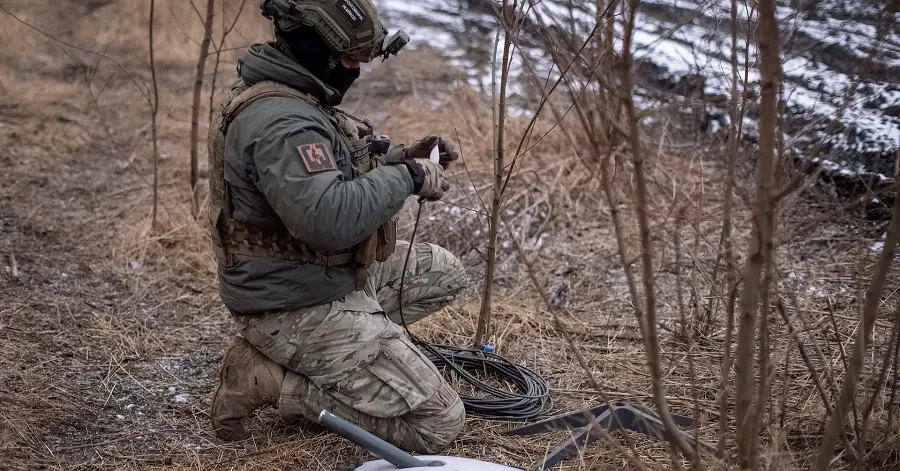
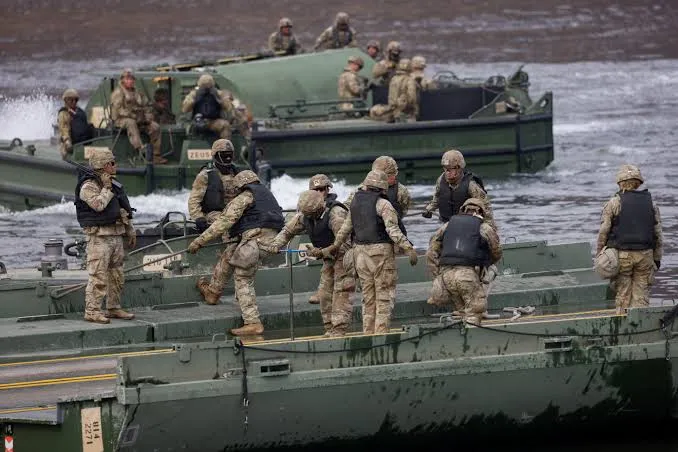
President Donald Trump ordered Defense Secretary Pete Hegseth to substantially reduce ongoing joint military exercises with South Korea. The decision was announced publicly via Truth Social on Sunday as the 11-day annual Ulchi Freedom Shield drills began on August 17, 2026. Trump cited two main reasons for the reduction: South Korean President Lee Jae Myung’s refusal to assist in U.S. military operations against Iran, and Trump's relationship with North Korean leader Kim Jong Un. Trump criticized the exercise costs, which he claimed are mostly borne by the U.S., and argued the drills send a hostile message to Pyongyang. The South Korean Joint Chiefs of Staff confirmed the exercises started as planned, while the presidential office in Seoul stated it was assessing the operational impacts. North Korea previously condemned the drills as war preparations.
More context
Timeline
- On August 17, 2026 (4:00 AM PKT) Trump orders joint military exercise reduction
- On August 17, 2026 (6:00 AM PKT) South Korea confirms Ulchi Freedom Shield starts as scheduled
- On August 17, 2026 (8:00 AM PKT) Seoul presidential office reviews impact of U.S. directive
- On August 17, 2026 (10:00 AM PKT) Defense Department assesses operational troop and drill adjustments
- On August 17, 2026 (12:00 PM PKT) North Korea maintains readiness following recent ballistic missile launch
- On August 17, 2026 (2:00 PM PKT) Pentagon coordinates revised exercise schedule with South Korean forces
- On August 17, 2026 (3:00 PM PKT) Congressional lawmakers evaluate security implications for Indo-Pacific alliance
- On August 17, 2026 (4:00 PM PKT) U.S. officials monitor regional response in East Asia
- Expect Pentagon to issue revised exercise participation details this week
- Expect bilateral U.S.-South Korea defense talks over upcoming weeks
Why it matters
Immediate US impact: Impacts U.S. military readiness and Indo-Pacific defense posture Possible long-term US impact: May reshape long-term bilateral security commitments and alliance funding Most affected groups: Affects U.S. defense personnel, Pentagon planners, and East Asian allies Reader Prioritization: Prioritize verified Pentagon statements over unconfirmed social media posts
Coverage notes
Left: Highlights alliance strain and potential risks to Indo-Pacific deterrence Center: Focuses strictly on presidential directives, exercise logistics, and statements Right: Emphasizes burden-sharing costs and foreign policy prioritization regarding Iran
Primary report
Truth Social post by Donald Trump on August 17, 2026
Sources
- The Guardian
- CNN
- Washington Post
- NBC News
- CBS News
- ABC News
- Politico
- Reuters
- Modern Diplomacy
- Times of India
- Pajhwok Afghan News
- Korea Times
- Ynetnews
- Financial Times
- Associated Press
- Bloomberg
- Wall Street Journal
- BBC News
- Defense News
- Stars and Stripes
- Al Jazeera
- Nikkei Asia
- Yonhap News Agency
- South China Morning Post
- USA Today
- The Hill
- Fox News
- Washington Times
- National Review
- Daily Caller
- Financial Times
JQJO Editorial Desk · Human reviewed · AI assisted. Report a correction.