US Strikes Iran for 7th Straight Night, Iran Hits Back at Multiple US Bases
Tap title to read story
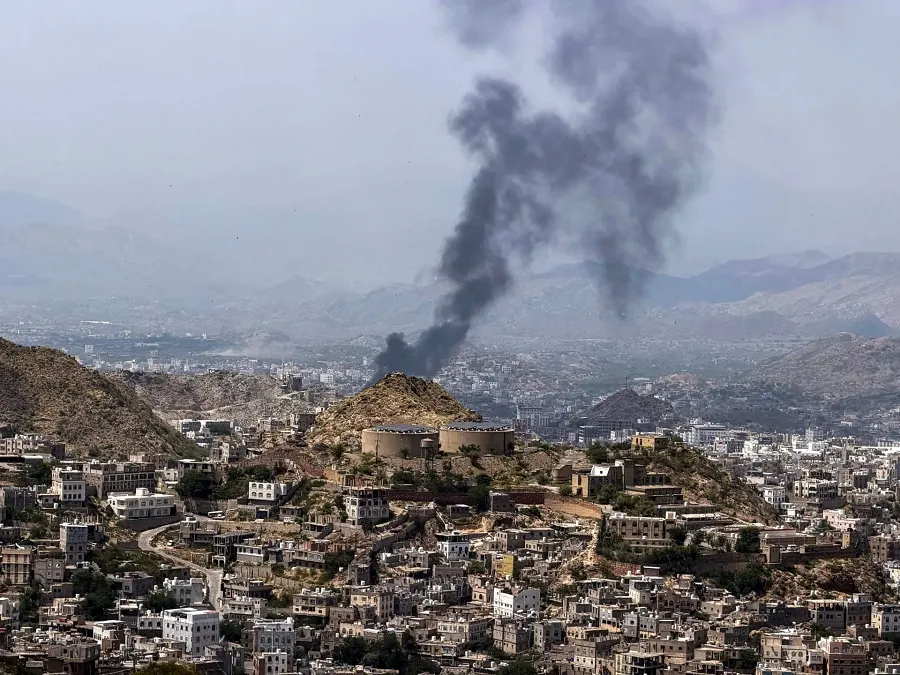
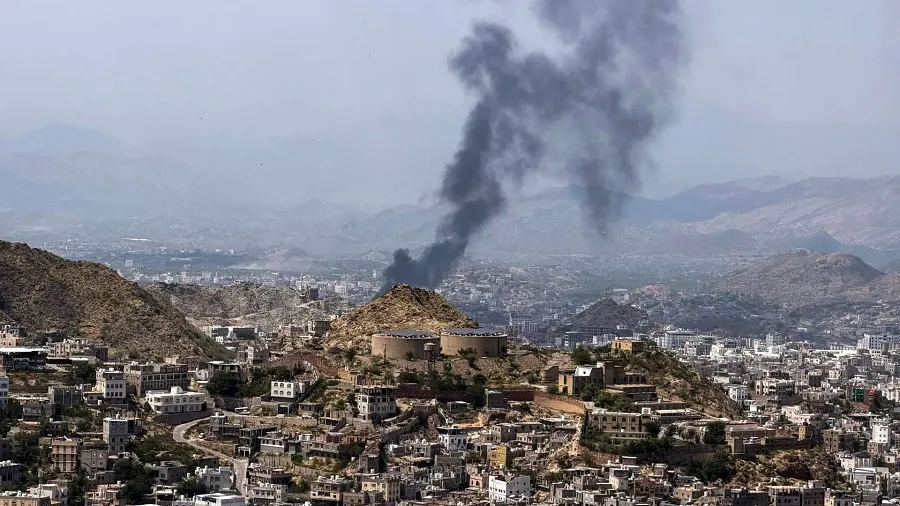
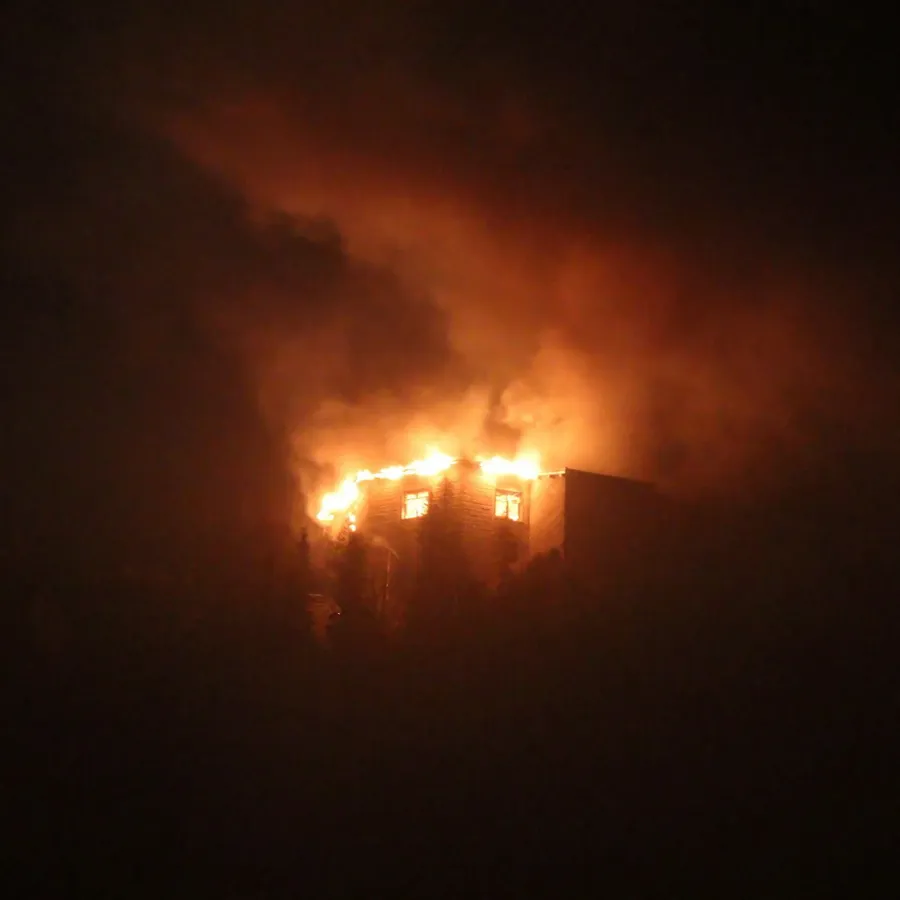
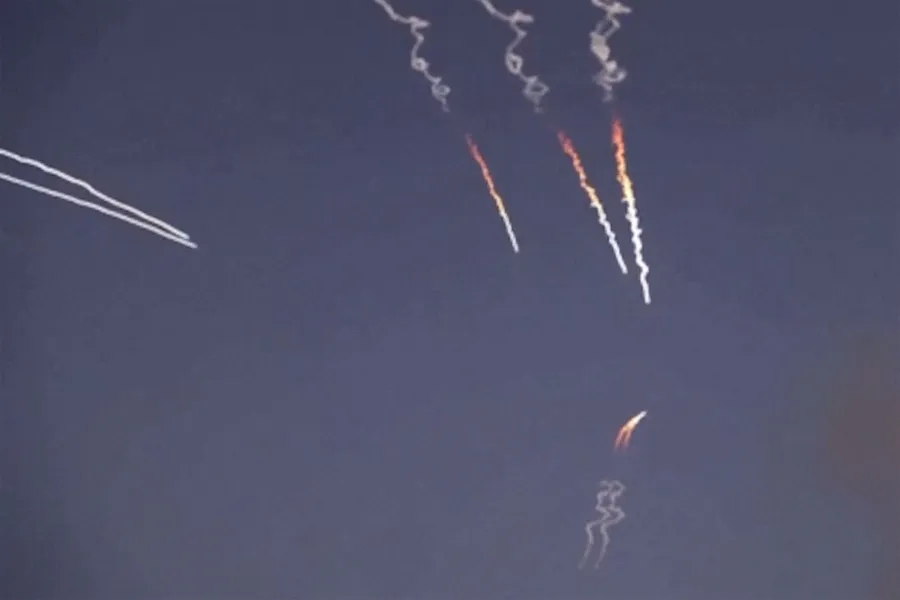
The U.S. completed its seventh consecutive night of strikes against Iran on July 17, not August 17, according to U.S. Central Command. CENTCOM said the operation ended at 9:30 p.m. Eastern time after fighter aircraft, drones and warships struck surveillance sites, military logistics infrastructure, underground weapons storage and maritime capabilities. Iranian officials reported deaths and damage in Hormozgan and other areas, while Iran launched missiles and drones toward U.S. positions and regional allies. Claims of damage were not independently confirmed in several cases. Iranian media attributed tanker explosions in the Strait of Hormuz to mines, but the United States disputed that claim. The supplied story incorrectly combines this July episode with later August developments involving Hormuz negotiations, fuel prices and the USS Abraham Lincoln. By August 17, the June interim agreement had already collapsed, and talks remained stalled. Current reporting instead shows continued pressure over reopening Hormuz.
More context
Timeline
- On June 17, United States and Iran signed interim memorandum.
- On July 7, Trump declared the ceasefire agreement formally over.
- On July 12, Iran tightened restrictions around Strait of Hormuz.
- On July 13, CENTCOM announced renewed blockade operations against ports.
- On July 17, CENTCOM launched its seventh consecutive night strikes.
- On July 17, CENTCOM ended strikes at 9:30 p.m. ET.
- On July 18, Iran continued attacks against Gulf states, Jordan.
- On July 19, CENTCOM entered another consecutive night of strikes.
- On August 12, Iranian officials said peace talks had stalled.
- On August 14, Trump threatened additional economic pressure over Hormuz.
- On August 16, CENTCOM commander visited USS Lincoln amid concerns.
- On August 17, negotiations remain stalled while Hormuz traffic stays.
- Over coming days, diplomatic pressure may intensify around reopening Hormuz.
- Over coming weeks, disruption could sustain higher American fuel costs.
- Over coming months, military readiness pressures may grow across deployments.
- Over coming years, Hormuz security could reshape American regional strategy.
Why it matters
Immediate US impact: Higher fuel prices and heightened military risk affect Americans. Possible long-term US impact: Prolonged conflict could strain forces, budgets, alliances, energy security. Most affected groups: U.S. troops, Gulf personnel, sailors, drivers, consumers, energy businesses. Reader priority: Readers should prioritize primary statements, timestamps, independent confirmation, and corrections across outlets.
Coverage notes
Left: Coverage emphasized civilian infrastructure, humanitarian effects, escalation risks, and legal concerns. Center: Coverage emphasized verified military actions, competing claims, casualties, and diplomatic developments. Right: Coverage emphasized Iranian aggression, American military objectives, deterrence, and strategic pressure.
Primary report
July 17, 9:30 p.m. ET, CENTCOM confirmed seventh-night strike completion.
Sources
JQJO Editorial Desk · Human reviewed · AI assisted. Report a correction.