Netanyahu Rejects US-Backed Peace Plan in Public Break With White House
Tap title to read story
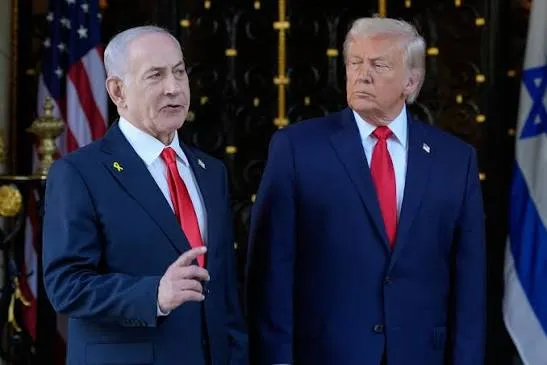
Israeli Prime Minister Benjamin Netanyahu publicly rejected a U.S.-backed fifteen-point peace plan for Gaza, creating a stark diplomatic rift with the White House. Formulated by the administration's diplomatic board, the framework proposed total Hamas disarmament linked to a phased Israeli military withdrawal and a transition of power to an independent Palestinian committee. Speaking at a cabinet meeting, Netanyahu insisted that Israel will refuse any troop withdrawal until Hamas undergoes genuine, complete disarmament. The rejection rebukes American pressure to halt regional hostilities without full Israeli security buy-in, intensifying political friction as the White House attempts to stabilize foreign policy initiatives. While praising U.S. leadership as a vital ally against regional threats, Netanyahu maintained that Israel must stand its ground on core security requirements. Meanwhile, Hamas stated its continued commitment to the roadmap while demanding that Israel fulfill prior truce obligations, leaving post-conflict governance and implementation deadlocked.
More context
Timeline
- On Oct 7, 2023, Hamas launched major terror attacks triggering the Gaza war.
- On Oct 2025, an initial ceasefire halted major fighting and released hostages.
- On Jul 30, 2026, the U.S. Board of Peace unveiled the plan.
- On Aug 3, 2026, the Board of Peace supported withdrawal terms.
- On Aug 9, 2026, Netanyahu publicly rejected the U.S. fifteen-point peace proposal.
- On Aug 9, 2026, Hamas reaffirmed support while demanding immediate Israeli withdrawal.
- On Aug 10, 2026, international analysts debated the future of U.S. diplomacy.
- On Sep 2026, diplomats expect further tense negotiations between Washington and Jerusalem.
- On Oct 2026, upcoming Israeli parliamentary elections approach amid domestic political pressures.
- On Dec 2026, regional stabilization efforts face ongoing implementation bottlenecks and stalemates.
Why it matters
Immediate US impact: Immediacy of foreign policy friction challenges Washington diplomatic leverage. Possible long-term US impact: Long-term Middle East stability remains fragile without aligned implementation frameworks. Most affected groups: Israeli political leadership, cabinet ministers, and regional defense analysts. Reader Prioritization: Prioritize official White House statements and verified primary diplomatic transcripts.
Coverage notes
Left: Highlighted diplomatic friction, democratic strains, and White House policy setbacks. Center: Emphasized factual reporting of policy disagreements and timeline details. Right: Focused on national security imperatives and domestic political resolve.
Primary report
Prime minister announced cabinet rejection of plan on August 9, 2026.
Sources
JQJO Editorial Desk · Human reviewed · AI assisted. Report a correction.