U.S. Unveils 'Privateer' Program: Companies Authorized to Hack Foreign Cybercriminals
PUBLISHED Aug 15, 2026, 4:35 PM ET
Read, Watch or Listen
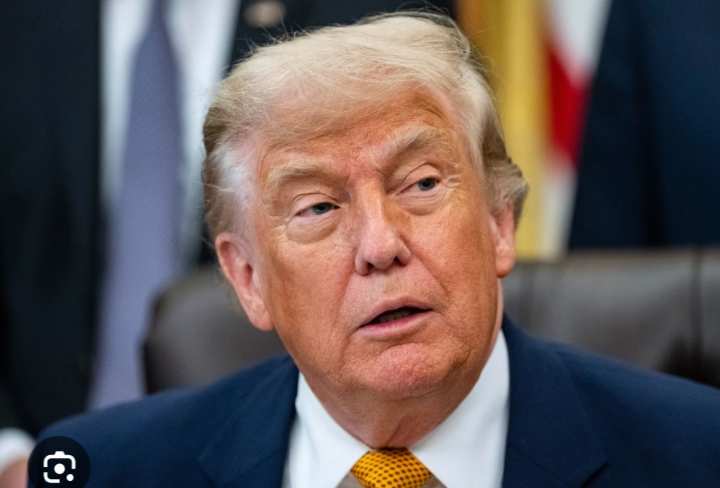
President Donald Trump signed a presidential memorandum on August 12 directing the U.S. government to create a program allowing vetted private companies to participate in cyber operations against foreign cyber-enabled transnational criminal organizations. The Department of Homeland Security, through its National Coordination Center, will oversee the program with the Justice Department. Approved companies may conduct cyber surveillance and cyber-effects operations, including disruption, degradation, denial or destruction of targeted information systems, under federal control. Participants must maintain a bond or escrow of at least $1 million. The memorandum excludes operations involving death or injury and activities meeting the international-law threshold for use of force. The initiative targets ransomware, financial fraud and other cybercrime affecting Americans. It follows a March cyber strategy that sought private-sector involvement, despite earlier administration statements rejecting private offensive operations. Cybersecurity specialists have raised concerns about attribution, retaliation, collateral damage and oversight. Program implementation details remain under development. �
By Michael Grant | JQJO News
Timeline of Events
- On March 6, administration released strategy urging private-sector cyber disruption.
- On March 6, officials rejected private companies conducting offensive operations.
- On August 12, Trump signed memorandum establishing government-supervised cyber participation.
- On August 12, DHS received responsibility for creating the program.
- On August 13, direct coverage detailed surveillance and cyber-effects authorities.
- On August 14, experts highlighted attribution, retaliation, and collateral-damage risks.
- On August 15, program rules remained under development pending implementation.
- In coming weeks, DHS and Justice will define operational procedures.
- Within months, vetted companies could begin approved government-directed cyber operations.
- Over coming years, oversight will determine whether privatization becomes sustainable.
- The future scenarios above are evidence-based expectations, not confirmed outcomes. The memorandum itself requires implementation work before the program becomes operational. �
- Reuters +1
News Intelligence
- Immediate US impact: Federal agencies gain additional technical capacity against foreign cybercrime networks.
- Possible long-term US impact: Private cyber operations could reshape accountability, escalation, and national security.
- Most affected groups: Cybersecurity firms, federal agencies, and fraud-targeted Americans face potential changes.
- Reader priority: Readers should prioritize official documents, primary reporting, and corroborated developments.
- Articles Published:
- 22
- Right Leaning:
- 1
- Left Leaning:
- 3
- Neutral:
- 18
- Distribution:
- Left 14%, Center 82%, Right 5%
Left: Left coverage emphasizes privatization risks, oversight concerns, and potential escalation. Center: Center coverage emphasizes memorandum details, government control, and operational limitations. Right: Right coverage emphasizes stronger tools against foreign criminals and victims.
trigger_description: August 12, 2026, Trump signed memorandum authorizing government-supervised cyber operations. https://www.whitehouse.gov/�
Coverage of Story:
From Center
U.S. Unveils 'Privateer' Program: Companies Authorized to Hack Foreign Cybercriminals
Taipei Times Reuters Ft The Wall Street Journal Therecord Techradar Helpnetsecurity Thenationalnews Scworld Cyberscoop Circleid Csoonline Seekingalpha Arabnews Easternherald Forklog Unn WhitehouseFrom Right
US cyberattack push risks fueling 'privateer-style' cyber piracy, disrupts global cyberspace order, expert warns
Globaltimes





Comments