U.S. Unveils 'Privateer' Program: Companies Authorized to Hack Foreign Cybercriminals
Tap title to read story
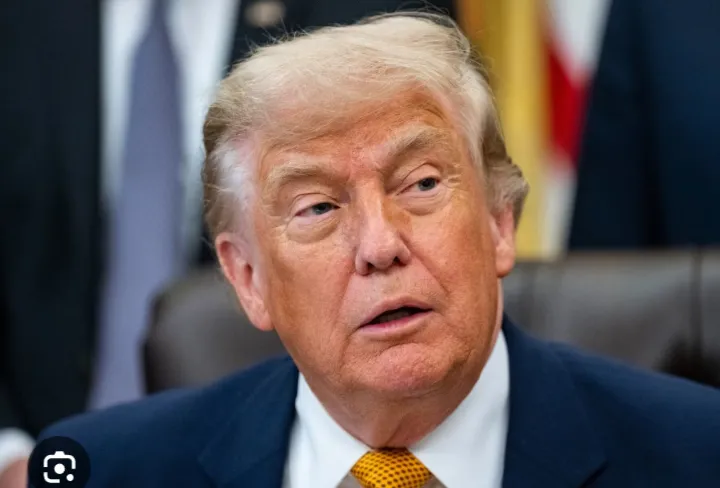
President Donald Trump signed a presidential memorandum on August 12 directing the U.S. government to create a program allowing vetted private companies to participate in cyber operations against foreign cyber-enabled transnational criminal organizations. The Department of Homeland Security, through its National Coordination Center, will oversee the program with the Justice Department. Approved companies may conduct cyber surveillance and cyber-effects operations, including disruption, degradation, denial or destruction of targeted information systems, under federal control. Participants must maintain a bond or escrow of at least $1 million. The memorandum excludes operations involving death or injury and activities meeting the international-law threshold for use of force. The initiative targets ransomware, financial fraud and other cybercrime affecting Americans. It follows a March cyber strategy that sought private-sector involvement, despite earlier administration statements rejecting private offensive operations. Cybersecurity specialists have raised concerns about attribution, retaliation, collateral damage and oversight. Program implementation details remain under development. �
More context
Timeline
- On March 6, administration released strategy urging private-sector cyber disruption.
- On March 6, officials rejected private companies conducting offensive operations.
- On August 12, Trump signed memorandum establishing government-supervised cyber participation.
- On August 12, DHS received responsibility for creating the program.
- On August 13, direct coverage detailed surveillance and cyber-effects authorities.
- On August 14, experts highlighted attribution, retaliation, and collateral-damage risks.
- On August 15, program rules remained under development pending implementation.
- In coming weeks, DHS and Justice will define operational procedures.
- Within months, vetted companies could begin approved government-directed cyber operations.
- Over coming years, oversight will determine whether privatization becomes sustainable.
- The future scenarios above are evidence-based expectations, not confirmed outcomes. The memorandum itself requires implementation work before the program becomes operational. �
- Reuters +1
Why it matters
Immediate US impact: Federal agencies gain additional technical capacity against foreign cybercrime networks. Possible long-term US impact: Private cyber operations could reshape accountability, escalation, and national security. Most affected groups: Cybersecurity firms, federal agencies, and fraud-targeted Americans face potential changes. Reader priority: Readers should prioritize official documents, primary reporting, and corroborated developments.
Coverage notes
Left: Left coverage emphasizes privatization risks, oversight concerns, and potential escalation. Center: Center coverage emphasizes memorandum details, government control, and operational limitations. Right: Right coverage emphasizes stronger tools against foreign criminals and victims.
Primary report
trigger_description: August 12, 2026, Trump signed memorandum authorizing government-supervised cyber operations.
Sources
JQJO Editorial Desk · Human reviewed · AI assisted. Report a correction.