Fed Plans 10% Workforce Cut
Tap title to read story
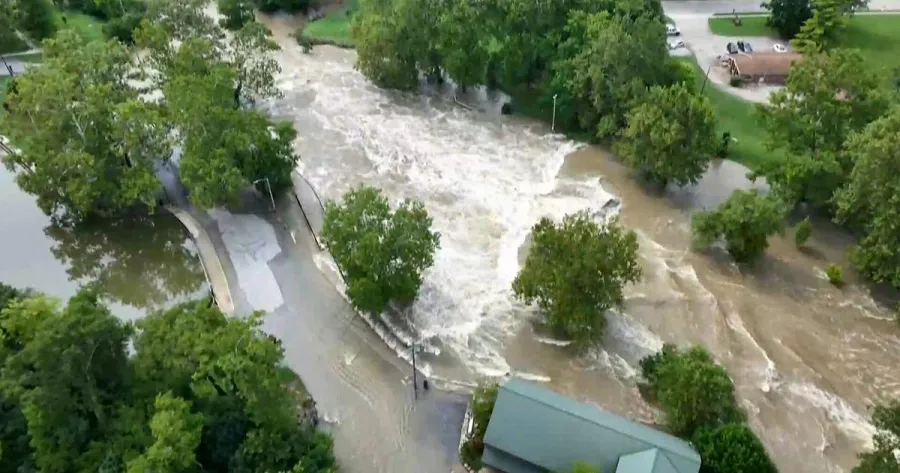
Central Indiana faces a historic flood disaster after torrential rainfall from a severe weather system and derecho pushed the White River past a 113-year-old record. The river crested at 24.93 feet in Anderson and 23.96 feet in Noblesville, eclipsing marks set during the Great Flood of 1913. More than 11 inches of rain fell across parts of eastern Indiana within a 24-hour window, which meteorologists classified as a rare 1-in-1,000-year event. First responders have rescued dozens of residents and pets from submerged neighborhoods in Indianapolis, Hamilton County, and surrounding areas. Indiana Governor Mike Braun declared a state of emergency, mobilized the National Guard, and requested a Presidential Emergency Declaration through FEMA to accelerate federal aid. Local officials have urged widespread evacuations as additional thunderstorm risks persist through the weekend. One fatality and multiple injuries have been reported as communities begin extensive recovery operations.
More context
Timeline
- On March 25 1913 The White River established historic flood benchmarks across central Indiana.
- On June 19 1958 The White River last exceeded twenty feet at Anderson.
- On August 11 2026 Severe thunderstorms and a derecho struck the Midwest region.
- On August 12 2026 National Weather Service issued rare flash flood emergencies for Indiana.
- On August 13 2026 Torrential rain totals surpassed eleven inches in eastern Indiana counties.
- On August 14 2026 Governor Mike Braun declared a state of disaster emergency.
- On August 15 2026 The White River crested at record-breaking levels across multiple gauges.
- On August 16 2026 Emergency rescue operations and mandatory local evacuations remained active statewide.
- future — Federal disaster assessments will determine individual assistance grant funding availability.
- future — Infrastructure repairs will address widespread structural and roadway damage.
Why it matters
Reader priority: Readers should monitor local emergency management channels and verified weather alerts closely. Immediate Impact: Federal disaster declarations will trigger immediate FEMA financial and logistical support. Long Term Impact: Long-term climate resilience and infrastructure updates will cost millions statewide. Affected Groups: Displaced residents, local emergency responders, and regional utility providers face immediate strain.
Coverage notes
Left: Emphasizes climate change impacts and infrastructure vulnerability during extreme weather. Center: Reports official emergency declarations, flood stages, and rescue statistics objectively. Right: Focuses on executive disaster relief requests and local community resilience efforts.
Primary report
Governor Mike Braun declared state emergency requesting federal disaster assistance on August 14, 2026.
Sources
JQJO Editorial Desk · Human reviewed · AI assisted. Report a correction.