White House Memo Authorizes U.S. Firms to Hack Foreign Crime Groups
PUBLISHED Aug 14, 2026, 6:10 AM ET
Read, Watch or Listen
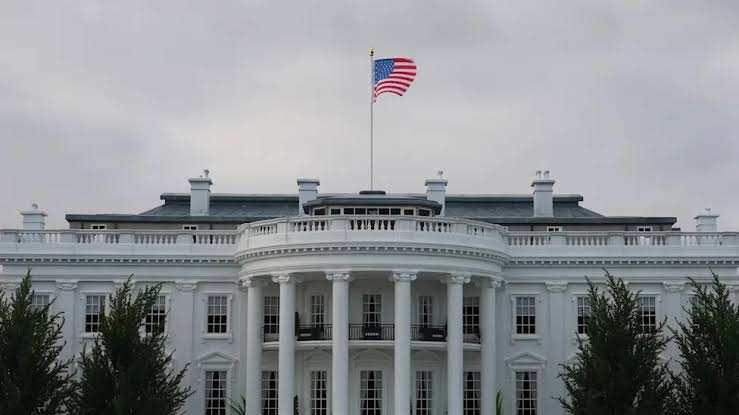
President Donald Trump signed a national security presidential memorandum directing the federal government to establish a framework enabling vetted private cybersecurity companies to conduct offensive digital operations against foreign transnational criminal organizations. Announced on August 13, 2026, the directive tasks the National Coordination Center within the Homeland Security Task Force with building the operational program, which will be jointly overseen by the Department of Justice and the Department of Homeland Security. Under the new policy, approved technology firms can execute cyber surveillance and cyber effects operations—defined as actions to disrupt, degrade, or destroy foreign criminal networks. Participating companies must undergo rigorous screening, sign federal contracts, and maintain a financial bond of at least one million dollars. The White House cited twenty billion dollars in consumer cyber fraud losses in 2025 as a primary motivation for enlisting private sector capabilities. Program directors have sixty days to finalize operating procedures.
By Emily Rhodes | JQJO News
Timeline of Events
- On May 14, 2017, Lawmakers introduced the Active Cyber Defense Certainty Act proposal.
- On March 12, 2026, President Trump signed executive order combating digital financial crimes.
- On August 12, 2026, President Trump signed the national security cyber operations memorandum.
- On August 13, 2026, The White House publicly released the private sector hacking directive.
- On August 14, 2026, Cybersecurity experts debated attribution risks and legal framework limitations widely.
- On October 13, 2026, National Coordination Center must publish formal operational program guidelines.
- On February 9, 2027, Agencies must deliver initial program implementation status report to officials.
- In 2027, Vetted private security contractors will initiate supervised foreign network disruptions.
- In 2028, Federal oversight committees will review initial private sector cyber operation results.
- In 2029, Congress may evaluate statutory adjustments for commercial offensive cyber participation.
News Intelligence
- Immediate US impact: Immediate US impact involves mobilizing private security contractors against foreign cyber syndicates.
- Possible long-term US impact: Long-term US impact alters national cyber defense strategies through commercial offensive integration.
- Reader priority: Readers should prioritize official White House releases and specialized cybersecurity institutional reports.
- Affected Groups: Most affected groups include American cybersecurity firms, technology contractors, and federal law enforcement agencies.
- Articles Published:
- 31
- Right Leaning:
- 1
- Left Leaning:
- 1
- Neutral:
- 29
- Distribution:
- Left 3%, Center 94%, Right 3%
Left: Framing emphasizes security escalation, oversight risks, and potential legal complications. Center: Framing focuses on policy mechanics, federal coordination, and consumer fraud reduction. Right: Framing highlights technological innovation, national defense advantages, and aggressive crime deterrence.
White House releases presidential memorandum authorizing private cyber operations on August 13, 2026. https://thehackernews.com/2026/08/trump-memo-paves-way-for-us-firms-to.html
Coverage of Story:
From Left
New federal policy opens door for private contractors to conduct foreign cyber operations
NBC NewsFrom Center
White House Memo Authorizes U.S. Firms to Hack Foreign Crime Groups
The Hacker News The Hacker News SiliconANGLE Help Net Security MeriTalk eSecurity Planet The Times of India The Straits Times Bloomberg Reuters Associated Press TechCrunch The Verge Ars Technica Wired CyberScoop Dark Reading SC Media Defense One FedScoop Nextgov Wall Street Journal Financial Times CNN Politico Axios Washington Post New York Times ForbesFrom Right
White House leverages American tech innovation to combat foreign cyber criminals
Fox News




Comments