US warns Iran it will step up economic pressure; two more ships attacked in Hormuz
Tap title to read story
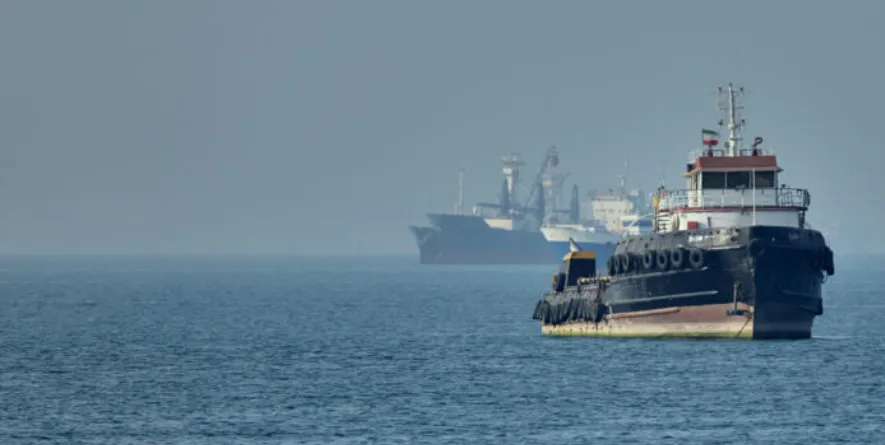
Shipping traffic through the Strait of Hormuz faced severe disruption on Friday after two additional commercial vessels were targeted within the vital waterway. The United States responded by warning that it is fully prepared to escalate economic pressure against Iran. According to a senior Iranian official, diplomatic talks aimed at reviving a fragile June ceasefire agreement have stalled, leading Tehran to resume attacks on commercial traffic navigating the strait without authorization. The United Arab Emirates state news agency WAM reported that two vessels linked to the Abu Dhabi National Oil Company were struck late Thursday, though the situations were brought under control with no injuries reported. Data from commodity tracking firm Kpler indicated that only nine vessels successfully transited the critical Middle Eastern bottleneck on Thursday, remaining below the usual August daily average. The unfolding maritime security crisis continues to cast uncertainty over regional energy supply chains and global shipping markets.
More context
Timeline
- On June 1, 2026, a fragile temporary ceasefire agreement was established between warring parties.
- On June 15, 2026, preliminary diplomatic talks aimed at restoring permanent navigation made progress.
- On July 8, 2026, the interim truce collapsed after renewed commercial vessel strikes occurred.
- On August 13, 2026, two Abu Dhabi National Oil Company vessels were attacked.
- On August 13, 2026, nine vessels successfully transited through the Strait of Hormuz bottleneck.
- On August 14, 2026, the United States warned of intensified upcoming economic pressure.
- On August 14, 2026, Kpler data confirmed zero early morning vessel crossings.
- In coming months, maritime insurance costs will likely climb significantly higher.
- In coming months, global energy markets may experience sustained supply volatility.
- In future years, alternative overland energy pipelines will expand across regions.
Why it matters
Immediate US impact: Immediate US impact involves heightened concerns over retail gasoline price spikes. Possible long-term US impact: Long-term US impact includes forced acceleration of alternative domestic energy strategies. Most affected groups: Most affected groups include shipping firms, energy investors, and international petroleum consumers. Reader Priorities: Readers should prioritize official updates from maritime authorities and verified wire services.
Coverage notes
Left: Highlight humanitarian risks, economic inflation pressures, and diplomatic failures. Center: Focus strictly on verified military developments, maritime shipping data, and official statements. Right: Emphasize national security readiness, deterrence measures, and decisive economic retaliation.
Primary report
Reuters published breaking reports on August 14, 2026, detailing new Hormuz attacks.
Sources
- Al Jazeera
- CNN
- The Guardian
- New Arab
- Middle East Eye
- Reuters
- Associated Press
- Bloomberg
- BBC News
- Financial Times
- Wall Street Journal
- Gulf News
- France 24
- Deutsche Welle
- Politico
- Axios
- CBS News
- NBC News
- Washington Post
- Bloomberg Quint
- Nikkei Asia
- Sky News
- TRT World
- Arab News
- The National
- Times of Israel
- Fox News
- Sputnik International
- Daily Sabah
- Tehran Times
- Reuters
JQJO Editorial Desk · Human reviewed · AI assisted. Report a correction.