US Long-Term Borrowing Costs Hit 25-Year High
PUBLISHED Aug 14, 2026, 4:06 AM ET
Read, Watch or Listen
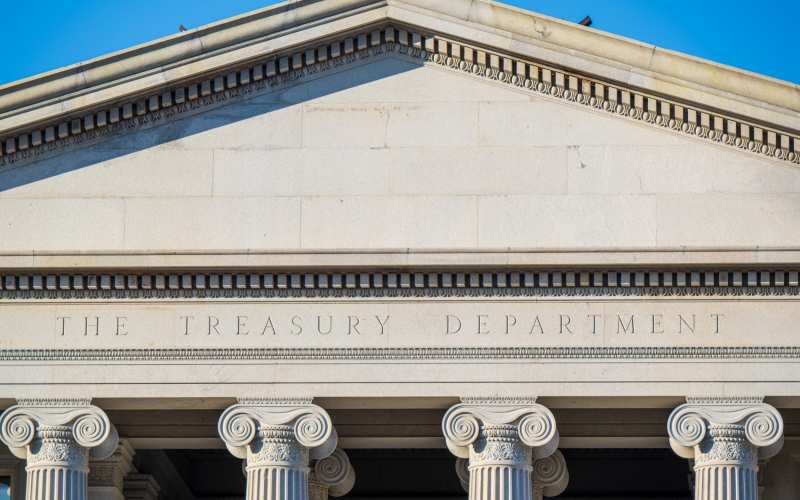
The U.S. government faces mounting fiscal pressures after a $25 billion auction of 30-year Treasury bonds cleared at a yield of 5.216 percent, the highest rate recorded since 2001. The auction results indicate that investors are demanding a heavy premium to absorb long-duration sovereign debt amid persistent inflation uncertainties and expanding national deficits. Bond yields rise as prices fall, reflecting broad market anxiety that elevated interest rates will persist. Analysts note that the rising issuance costs complicate federal budgeting as the Treasury funds growing obligations. While secondary markets experienced mild relief following a flat U.S. producer price index report, structural concerns over debt supply and monetary policy direction remain central. Financial experts emphasize that persistent fiscal deficits globally continue to pressure long-end debt markets, forcing policymakers to monitor escalating debt-servicing costs closely as broader economic implications unfold across consumer and corporate lending sectors.
By James Porter | JQJO News
Timeline of Events
- On July 30, 2026, U.S. borrowing costs rose significantly as the Federal Reserve held rates.
- On August 13, 2026, market analysts anticipated tight conditions ahead of the upcoming Treasury bond auction.
- On August 14, 2026, the U.S. Treasury sold thirty-year bonds yielding five percent.
- On August 14, 2026, the auction yield hit five point two one six percent.
- On August 14, 2026, data revealed U.S. producer prices remained unchanged over the previous month.
- On August 14, 2026, financial markets exhibited broad anxiety over multi-decade high debt servicing expenses.
- On August 14, 2026, analysts warned that global debt absorption challenges could persist through upcoming quarters.
- In coming months, the Treasury may adjust long-term bond issuance volumes.
- In future quarters, persistent deficits will likely maintain pressure on sovereign yields.
- Over coming years, elevated borrowing costs could constrain federal budget flexibility significantly.
News Intelligence
- Reader priority: Monitor financial news wires and Treasury announcements for ongoing market adjustments.
- Immediate Impact: Rising long-term yields increase federal debt servicing and borrowing expenses.
- Long Term Impact: Sustained high sovereign yields could restrict federal budgets and economic growth.
- Most Affected: U.S. taxpayers, federal agencies, bond investors, and corporate borrowers are affected.
- Articles Published:
- 20
- Right Leaning:
- 2
- Left Leaning:
- 3
- Neutral:
- 15
- Distribution:
- Left 15%, Center 75%, Right 10%
Left: Blames fiscal policies and spending for escalating national debt burdens. Center: Reports auction statistics neutrally alongside concurrent producer price inflation data. Right: Focuses on regulatory overspending and market consequences of structural government deficits.
U.S. Treasury auctioned 25 billion dollars of 30-year bonds yielding 5.216 percent on August 14, 2026. https://www.thestandard.com.hk/finance/article/339918/US-bonds-climb-despite-30-year-auction-drawing-highest-yield-since-2001
Coverage of Story:
From Left
US government borrowing costs hit 25-year high as inflation and debt concerns mount
CNN Business Washington Post New York TimesFrom Center
US Long-Term Borrowing Costs Hit 25-Year High
The Guardian Bloomberg Reuters The Wall Street Journal Financial Times https://www.ft.com/content/us-long-term-borrowing-costs-2001-high MarketWatch Associated Press Yahoo Finance Barron's Politico Business Insider The Hill Forbes Seeking AlphaFrom Right
Government spending and soaring national deficit push long-term bond yields to 2001 highs
Fox Business ZeroHedge




Comments