MLB at Field of Dreams streaming guide: What to know about Phillies vs. Twins in Iowa
Tap title to read story
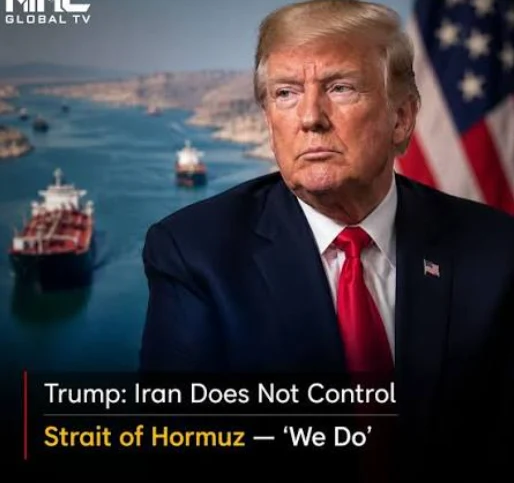
Iran’s military command on Thursday formally rejected remarks by U.S. President Donald Trump claiming total American control over the Strait of Hormuz, labeling the assertions as fabrication. Khatam-al Anbiya central command spokesperson Ebrahim Zolfaghari stated that the strategic waterway remains under the complete management and oversight of the Islamic Republic of Iran, asserting that no commercial vessel or tanker can pass safely without explicit permission from Iranian armed forces. The friction follows President Trump's declaration on social media that the United States had secured total dominance over the vital energy transit corridor. The dispute intensifies ongoing geopolitical tensions stemming from the broader military conflict involving the U.S., Israel, and Iran. Regional intermediaries continue efforts to negotiate interim compliance terms, while shipping companies monitor transit safety risks closely as conflicting claims over waterway security persist across international markets.
More context
Timeline
- On February 28, 2026, United States and Israeli forces launched military strikes against Iran.
- On June 26, 2026, a U.S.-brokered preliminary arrangement addressed regional security and maritime transit understandings.
- On August 11, 2026, diplomatic discussions evaluated potential frameworks for reviving interim nuclear and shipping compliance term
- .On August 12, 2026, President Donald Trump asserted total American command over the Strait of Hormuz
- .On August 13, 2026, Iranian military officials rejected the American claims of waterway control as falsehoods.
- On August 13, 2026, regional mediators continued bilateral consultations to evaluate maritime security assurances for commercial shipping
- .On August 13, 2026, international energy markets reacted with volatility to conflicting operational claims in the Persian Gulf
- .On August 13, 2026, shipping insurers reassessed risk parameters for commercial tankers navigating through Middle Eastern chokepoints.In coming months, diplomatic channels may attempt to establish formal protocols for unhindered commercial vessel transit.In coming years, regional infrastructure investments will likely pivot toward alternative oil export pipeline routes.
Why it matters
Immediate US impact: Energy market volatility and heightened security alert status. Possible long-term US impact: Altered global shipping routes and sustained defense expenditure increases. Most affected groups, states, cities, communities, consumers, workers, patients, businesses, investors, fans, teams, industries, or government agencies: Energy investors, maritime shipping companies, and defense department agencies. What readers should prioritise across outlets and social media: Verified official military statements, maritime advisories, and certified energy analytics.
Coverage notes
Left: Emphasizes administration overreach, heightened conflict risks, and market instability concerns. Center: Reports official statements objectively while highlighting conflicting tactical claims neutrally. Right: Highlights strong executive deterrence posture and challenges foreign maritime aggression.
Primary report
Triggering source and reason in exactly 10 words with date and time where available: Truth Social post by Donald Trump on August 12, 2026.
Sources
- CNN
- Reuters
- Associated Press Bias Rating: Center
- Agence France-Presse
- The Hindu
- Bloomberg News
- Wall Street Journal
- Fox News
- Al Jazeera
- Washington Post
- BBC News
- Politico
- NBC News Bias Rating: Left
- CBS News
- Financial Times
- New York Times
- Axios
- Newsweek
- Guardian
- National Review
- Washington Times
- Daily Telegraph
- ABC News
- USA Today
- Foreign Policy
- Time
- Business Insider
- Los Angeles Times
- Chicago Tribune
- Anadolu Agency
- NPR
- EventRegistry
JQJO Editorial Desk · Human reviewed · AI assisted. Report a correction.