U.S. Reinforces Naval Blockade With 55 Ships Rerouted Near Iran
PUBLISHED Aug 10, 2026, 3:43 AM ET
Read, Watch or Listen
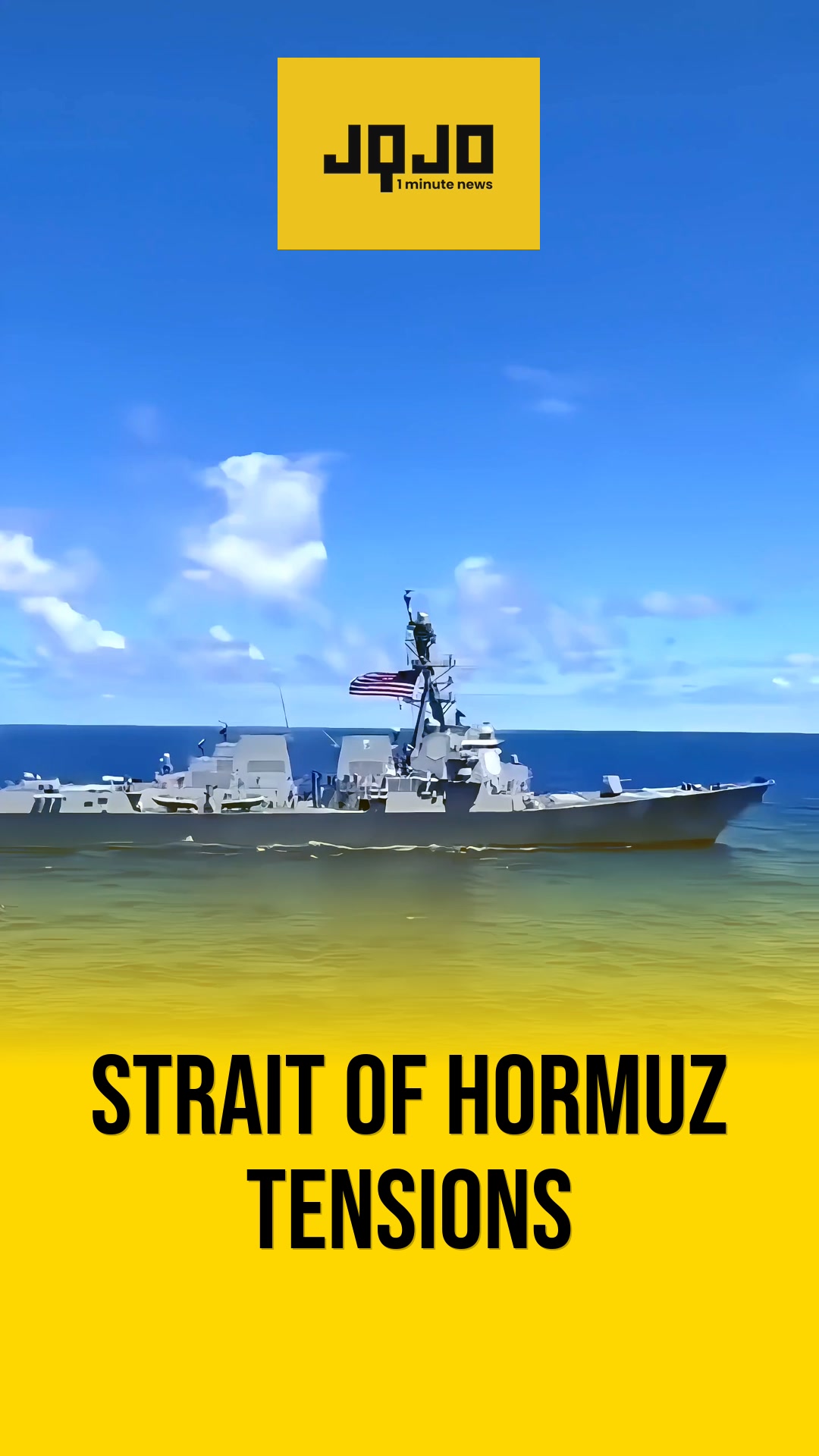
The United States Central Command announced that military forces have redirected 55 commercial vessels, boarded two, and disabled two others under an active naval blockade targeting Iranian ports. The operation, part of a broader strategy to secure freedom of navigation in the Strait of Hormuz, coincides with stalled diplomatic negotiations between Washington and Tehran. International benchmark Brent crude futures rose nearly one percent to 84.22 dollars a barrel following reports of tightened enforcement and reduced commercial traffic through the vital transit corridor. Shipping intelligence data indicates that daily crossings through the strait dropped significantly, compounding global supply pressures. President Donald Trump stated that the administration prefers maintaining economic pressure over launching a new military offensive, pointing to high inflation inside Iran. Meanwhile, Iranian officials continue demanding the complete lifting of maritime restrictions and economic sanctions before any agreement to reopen the strategic waterway can proceed
By Michael Grant | JQJO News
Timeline of Events
- On February 1, 2026, military hostilities unexpectedly erupted between United States and Iranian forces.
- On April 15, 2026, Washington and Tehran formally established a fragile temporary regional ceasefire.
- On June 10, 2026, diplomats signed a Pakistan-mediated memorandum aimed at lasting peace.
- On July 14, 2026, the United States military restarted aggressive maritime enforcement operations.
- On August 2, 2026, CENTCOM confirmed thirty-five commercial ships had been successfully diverted.
- On August 8, 2026, tracking data showed daily Hormuz strait crossings plunged sharply downward.
- On August 9, 2026, CENTCOM reported total redirected vessels reached fifty-five commercial ships.
- On August 10, 2026, Brent crude futures climbed toward eighty-four dollars per barrel.
- On coming months, sustained blockades will likely keep global oil prices elevated.In future years, alternative pipelines may permanently reduce Hormuz transit dependency.
News Intelligence
- US retail fuel prices may tick upward amid rising crude.
- Prolonged blockades could permanently reshape global energy transit routes.
- Energy consumers, logistics firms, refiners, and international traders face disruptions.
- Track updates from CENTCOM and major financial wire services closely.
- Articles Published:
- 20
- Right Leaning:
- 0
- Left Leaning:
- 0
- Neutral:
- 20
- Distribution:
- Left 0%, Center 100%, Right 0%
Left: Focuses on diplomatic failures and rising risks of conflict. Center: Reports official military updates and measurable energy market impacts. Right: Emphasizes strong deterrence against adversaries and strategic security enforcement.
U.S. Central Command statement published on X on August 9, 2026. https://twitter.com/CENTCOM/status/1954180000000000000
Coverage of Story:
From Left
No left-leaning sources found for this story.
From Center
U.S. Reinforces Naval Blockade With 55 Ships Rerouted Near Iran
CNBC Reuters Associated Press Bloomberg Anadolu Agency Shafaq News Times of India Demócrata Middle East Eye Asian News International (ANI) Trend News Agency GulfArticles Middle East Eye The Times of India Roya News Anadolu Agency Shafaq News Outlook India Iran International ANI NewsFrom Right
No right-leaning sources found for this story.





Comments