Oil Surges 5%, Stocks Drop as Hormuz Deal Hopes Fade
PUBLISHED Aug 10, 2026, 5:58 PM ET
Read, Watch or Listen
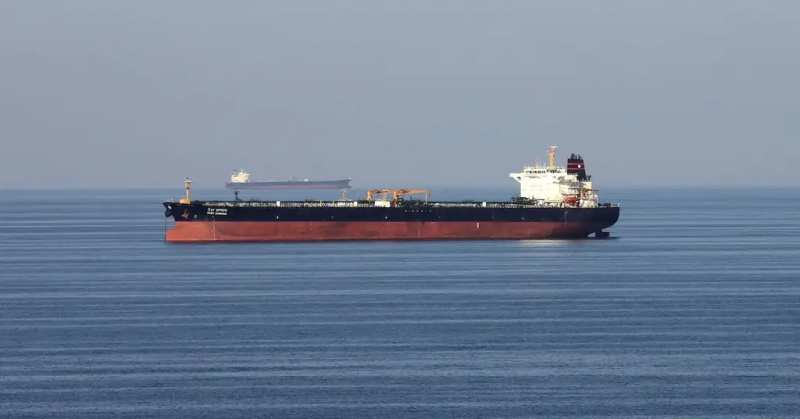
U.S. stocks edged lower on Monday as hopes for an imminent deal to reopen the Strait of Hormuz faded, while oil prices jumped about 5%. The S&P 500 declined 0.06% to end at 7,753.12 points. The Nasdaq Composite lost 0.32% to close at 26,605.36. The Dow Jones Industrial Average fell 0.11% to 53,976.04. U.S. crude oil settled at $82.13 a barrel, up roughly 5.1%. Brent crude futures rose 4.99% to $87.72 per barrel. The U.S. Strategic Petroleum Reserve's crude inventory fell to its lowest level since January 1983. President Donald Trump said the United States controls the strait and has swept it for Iranian mines. Trump demanded that Iran pay compensation for people he said it had killed in wars and protests. Iran's foreign minister said that as long as the U.S. continues to violate a June memorandum of understanding and does not compensate for its "violations," "it is impossible to resume negotiations". Iran also called for Washington to meet conditions, including recompensing Tehran for damage caused since U.S. and Israeli strikes on its territory more than five months ago. The decline in optimism over a resolution to the Middle East crisis fueled concerns over heightened energy prices that have spurred inflation worries and led to bets on interest rate hikes by central banks worldwide. Intel shares dropped 4.1% after the chipmaker announced plans to raise $15 billion through a public offering of common stock. Nvidia fell 2.9%. Apple declined 1.5%. The market moves followed a week in which the S&P 500 hit a record-high close, helped by stronger-than-expected earnings. Data on Friday showed U.S. employers unexpectedly shed 23,000 jobs in July, prompting traders to cut odds of a Federal Reserve rate hike in September. According to the CME FedWatch tool, traders now price in a 52% chance of a rate hike in September. About 85% of the 436 S&P 500 companies that have reported earnings so far this period have beaten estimates, according to LSEG data.
By Michael Grant | JQJO News
Timeline of Events
- On February 28, 2026, US-Israeli attacks on Iran effectively blocked the Strait of Hormuz.
- On June 2026, US and Iran agreed to a temporary ceasefire and interim deal.
- On July 2026, US reimposed a naval blockade on Iranian shipping in the Gulf.
- On August 3, 2026, Trump held off major attack, choosing diplomacy to reopen strait.
- On August 5, 2026, Trump hinted a Hormuz deal could come as early as Wednesday.
- On August 6, 2026, Iran struck targets in the Strait of Hormuz, escalating tensions.
- On August 7, 2026, oil benchmarks fell over 7% on hopes of Iran-Oman deal.
- On August 9, 2026, Iran said Oman deal was "very close" but set US conditions.
- On August 9, 2026, Trump told Axios US was "low-keying" and "semi-negotiating" with Iran.
- On August 9, 2026, Iran named hard-line IRGC commander Mohsen Rezaee to top security post.
- On August 10, 2026, Iran demanded US compensation and conditions to reopen strait.
- On August 10, 2026, Trump demanded Iran pay compensation for deaths and protests.
- On August 10, 2026, hopes for imminent Hormuz deal faded, oil jumped 5%.
- On August 10, 2026, Brent crude settled at $87.72, WTI at $82.13 per barrel.
- On August 10, 2026, US stocks edged lower with S&P 500 down 0.06%.
- On August 10, 2026, Intel fell 4.1% on plan to raise $15 billion via stock sale.
- On August 10, 2026, Nvidia dropped 2.9% and Apple declined 1.5% weighing on Nasdaq.
- On August 10, 2026, US Strategic Petroleum Reserve fell to 298.7 million barrels.
- On August 10, 2026, SPR dropped to lowest level since January 1983.
- On August 10, 2026, traders priced 52% chance of Fed rate hike in September
- If no deal, oil stays high, inflation worsens, Fed may hike rates.
- If Iran-Oman deal proceeds, oil prices could drop sharply.
- If military escalation occurs, oil could spike above $100 per barrel.
- If compensation demands dropped, Hormuz could reopen within weeks.
- If SPR continues declining, US emergency oil buffer faces critical risk.
News Intelligence
- Immediate US impact: Higher oil prices threaten to reignite inflation and consumer costs.
- Possible long-term US impact: Depleted SPR leaves US vulnerable to future supply shocks.
- Most affected groups: US drivers, manufacturing industries, and Fed policymakers face pressure.
- Readers should prioritise: Track Iran-Oman deal progress and Federal Reserve rate signals.
- Articles Published:
- 16
- Right Leaning:
- 0
- Left Leaning:
- 0
- Neutral:
- 16
- Distribution:
- Left 0%, Center 100%, Right 0%
Left: Left-leaning coverage highlights Trump's escalating rhetoric and risks of failed diplomacy. Center: Neutral coverage reports both sides' demands, market moves, and supply data factually. Right: Right-leaning coverage frames Trump's demand as strong pushback against Iranian aggression.
Iran's conditions and Trump's compensation demand on August 10, 2026. https://www.reuters.com/3fec1b0a85a0/world/middle-east/iran-ties-hormuz-reopening-us-concessions-several-demands-2026-08-09/
Coverage of Story:
From Left
No left-leaning sources found for this story.
From Center
Oil Surges 5%, Stocks Drop as Hormuz Deal Hopes Fade
Reuters Idahostatesman Yahoo Koreatimes Koreatimes Thestandard Nationalpost Reuters Al Monitor Digitallook Virginiabusiness Investingnews Morningstar Ndtvprofit Bdnews24 BloombergFrom Right
No right-leaning sources found for this story.




Comments