Iran Refuses To Open Strait Of Hormuz Until U.S. Meets Demands
PUBLISHED Aug 9, 2026, 5:37 AM ET
Read, Watch or Listen
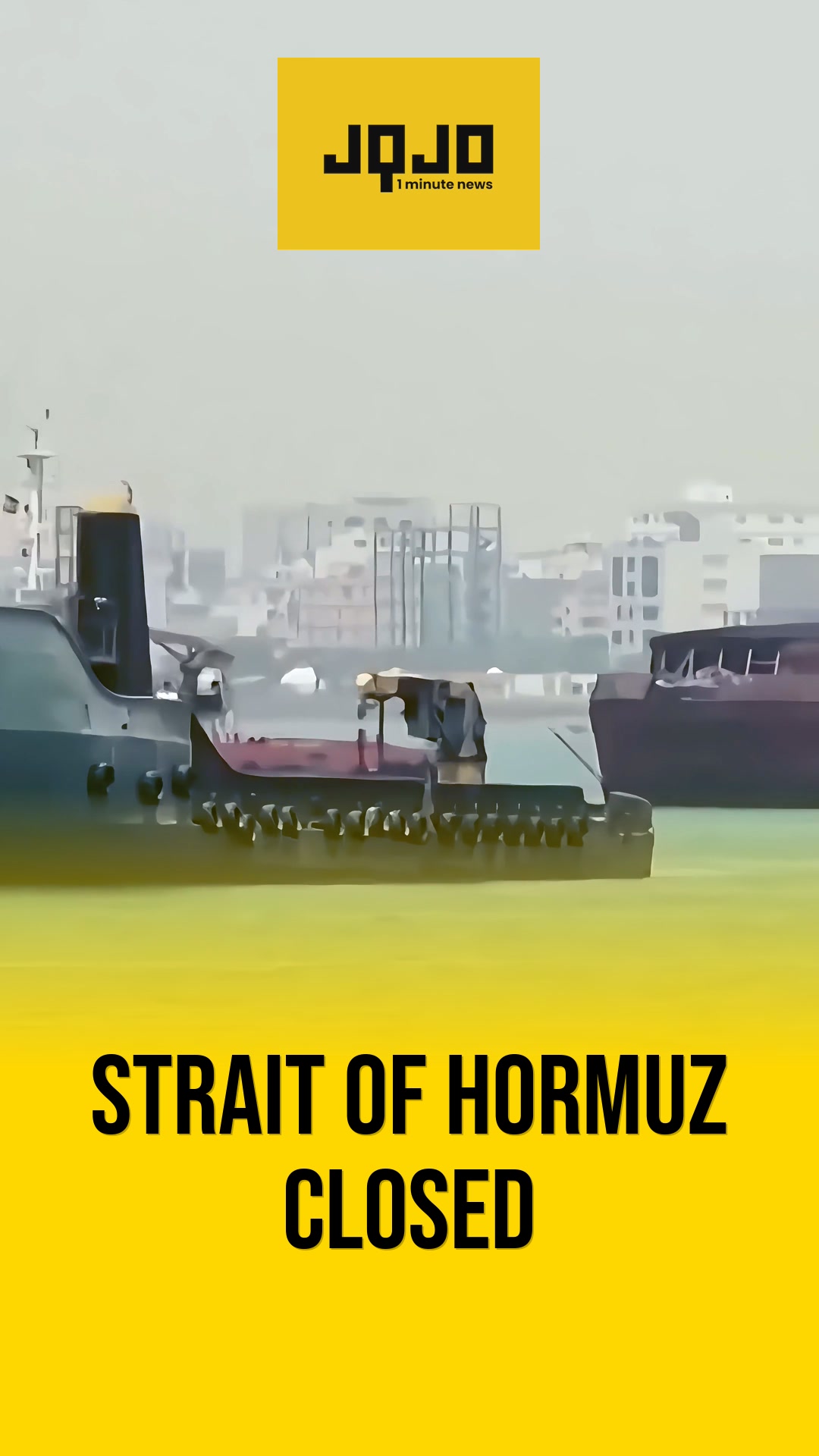
Iran's Supreme National Security Council announced that the Strait of Hormuz will remain closed to commercial shipping until the United States fundamentally alters its regional policies. Foreign Minister Abbas Araghchi stated that ongoing diplomatic discussions with Oman are approaching their final stages, but clarified this does not guarantee the immediate reopening of the crucial waterway. Tehran outlined stringent prerequisites, demanding that Washington permanently cease military threats, terminate the ongoing naval blockade, withdraw all regional military assets, lift comprehensive economic sanctions, unfreeze overseas assets, and fully compensate Iran for war damages. This escalation follows a targeted strike by Iranian forces on an Abu Dhabi National Oil Company vessel in the Persian Gulf. Meanwhile, regional tensions heightened further as Houthi forces in Yemen claimed responsibility for a drone strike on a Saudi refinery. The White House and Department of Defense have not yet issued a formal response to Tehran's new sweeping demands.
By James Porter | JQJO News
Timeline of Events
- On February 28, 2026: United States and Israel launched surprise airstrikes against Iranian military installations.
- On April 13, 2026: United States Navy implemented strict naval blockade across Iranian ports.
- On June 18, 2026: Interim diplomatic agreement established temporary framework for regional waterway management.
- On July 14, 2026: United States military officially reinstated strict regional naval blockade operations.
- On August 9, 2026, 12:12 PM PKT: Iran refused Strait of Hormuz reopening without US policy concessions.
- On August 9, 2026: Iranian forces targeted Abu Dhabi National Oil Company commercial vessel.
- On August 9, 2026: Yemeni Houthi rebels executed drone strike against Saudi Aramco refinery.
- In coming days: Pentagon will evaluate potential military responses to regional waterway closure.
- In coming weeks: Global energy markets face significant price volatility and supply shocks.
- By late August: Diplomatic talks between Tehran and Oman may collapse entirely soon.
News Intelligence
- Energy prices surge as maritime trade faces severe security disruptions.
- Prolonged military conflict risks enduring inflation and macroeconomic supply instability.
- American energy consumers, shipping corporations, and deployed regional military personnel.
- Monitor official Pentagon updates, reliable wire services, and energy reports.
- Articles Published:
- 25
- Right Leaning:
- 3
- Left Leaning:
- 8
- Neutral:
- 14
- Distribution:
- Left 32%, Center 56%, Right 12%
Emphasizes diplomatic breakdown, humanitarian risks, and potential economic instability concerns. Reports official statements, military actions, and market reactions presented objectively. Highlights national security threats, military readiness, and Iranian regional aggression.
CBS News reported Iran's security council demands on August 9, 2026. https://www.cbsnews.com/live-updates/iran-war-yemen-saudi-arabia-houthis-donald-trump-deadly-attacks/
Coverage of Story:
From Left
Iran demands US policy changes before reopening Strait of Hormuz
CNN The Washington Post The New York Times Al Jazeera The Guardian ABC News NPR Los Angeles TimesFrom Center
Iran Refuses To Open Strait Of Hormuz Until U.S. Meets Demands
CBS News Reuters Associated Press BBC News Financial Times Bloomberg CBS News Politico Axios The Hill USA Today Foreign Policy Time NewsweekFrom Right
Tehran issues sweeping demands to US over Strait of Hormuz
Fox News The Wall Street Journal National Review



Comments