Israel Rejects Trump's Gaza Peace Plan
Tap title to read story
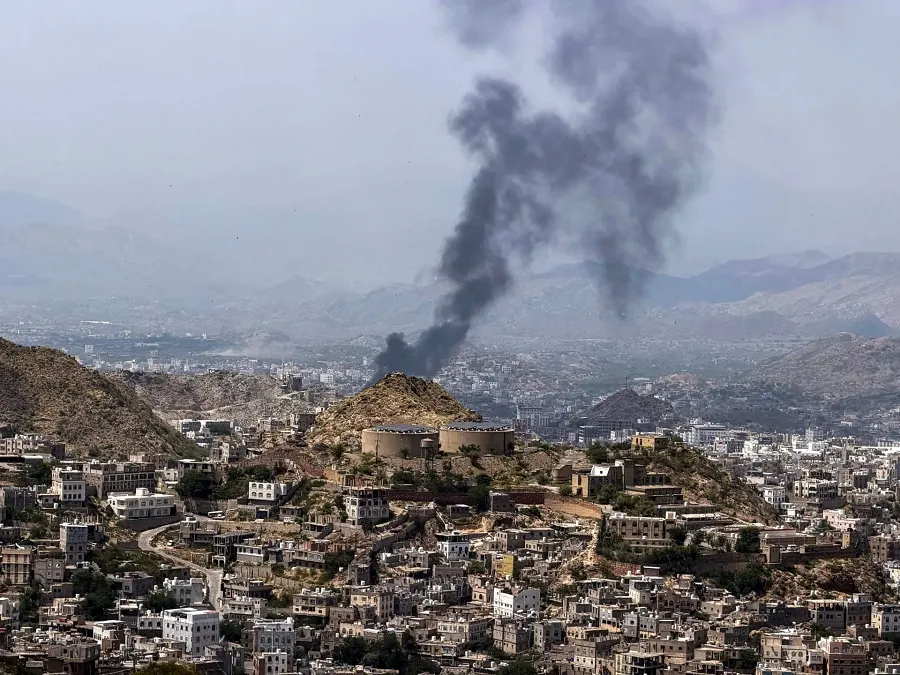
Israeli Prime Minister Benjamin Netanyahu formally rejected the fifteen point Gaza peace framework advanced by United States President Donald Trump during a cabinet session held on August ninth, two thousand twenty six. Speaking in Jerusalem, Netanyahu declared that Israeli military forces will maintain their current positions and refuse any withdrawal from the Gaza Strip until Hamas is completely and permanently disarmed. President Trump had previously promoted the diplomatic initiative as a major breakthrough toward regional stability, proposing phased security transitions and troop pullbacks. However, Netanyahu emphasized that national security priorities remain firm, signaling a significant divergence between Washington and Jerusalem over governance. Simultaneously, regional instability worsened as Houthi forces launched attacks in the Red Sea and Saudi Arabia, while discussions regarding the Strait of Hormuz continued between Tehran and regional mediators. The diplomatic impasse underscores ongoing challenges facing international mediators attempting to broker a sustainable ceasefire across the region today.
More context
Timeline
- On August 8, 2026, diplomats drafted the peace proposal text.
- On August 9, 2026, President Trump announced the peace plan.
- On August 9, 2026, Prime Minister Netanyahu rejected the framework.
- On August 9, 2026, Houthi forces launched regional maritime attacks.
- On August 9, 2026, Tehran discussed Strait of Hormuz navigation.
- On August 10, 2026, Washington officials evaluate diplomatic policy responses.
- On August 11, 2026, Israeli cabinet members debate military options.
- In September 2026, international mediators will attempt restarting stalled negotiations.
- In October 2026, regional security tensions could escalate further nationwide.
- In November 2026, Congress debates foreign aid funding allocation measures.
Why it matters
American foreign policy faces immediate diplomatic friction with Israel today. Washington may experience prolonged challenges in Middle East peace negotiations. Federal lawmakers, diplomats, international investors, and defense agencies remain affected. Readers should prioritize official statements from Washington and Jerusalem governments.
Coverage notes
Left outlets emphasize diplomatic friction and strained American Israeli relations. Center reporting focuses on official statements and direct policy developments. Right outlets highlight national security priorities and necessary military actions.
Primary report
Associated Press broke the cabinet announcement on August 9, 2026.
Sources
JQJO Editorial Desk · Human reviewed · AI assisted. Report a correction.