U.S. Treasury and Federal Reserve Intervene to Prop Up Japanese Yen from Multi-Decade Lows
PUBLISHED Aug 1, 2026, 10:01 AM ET
Read, Watch or Listen
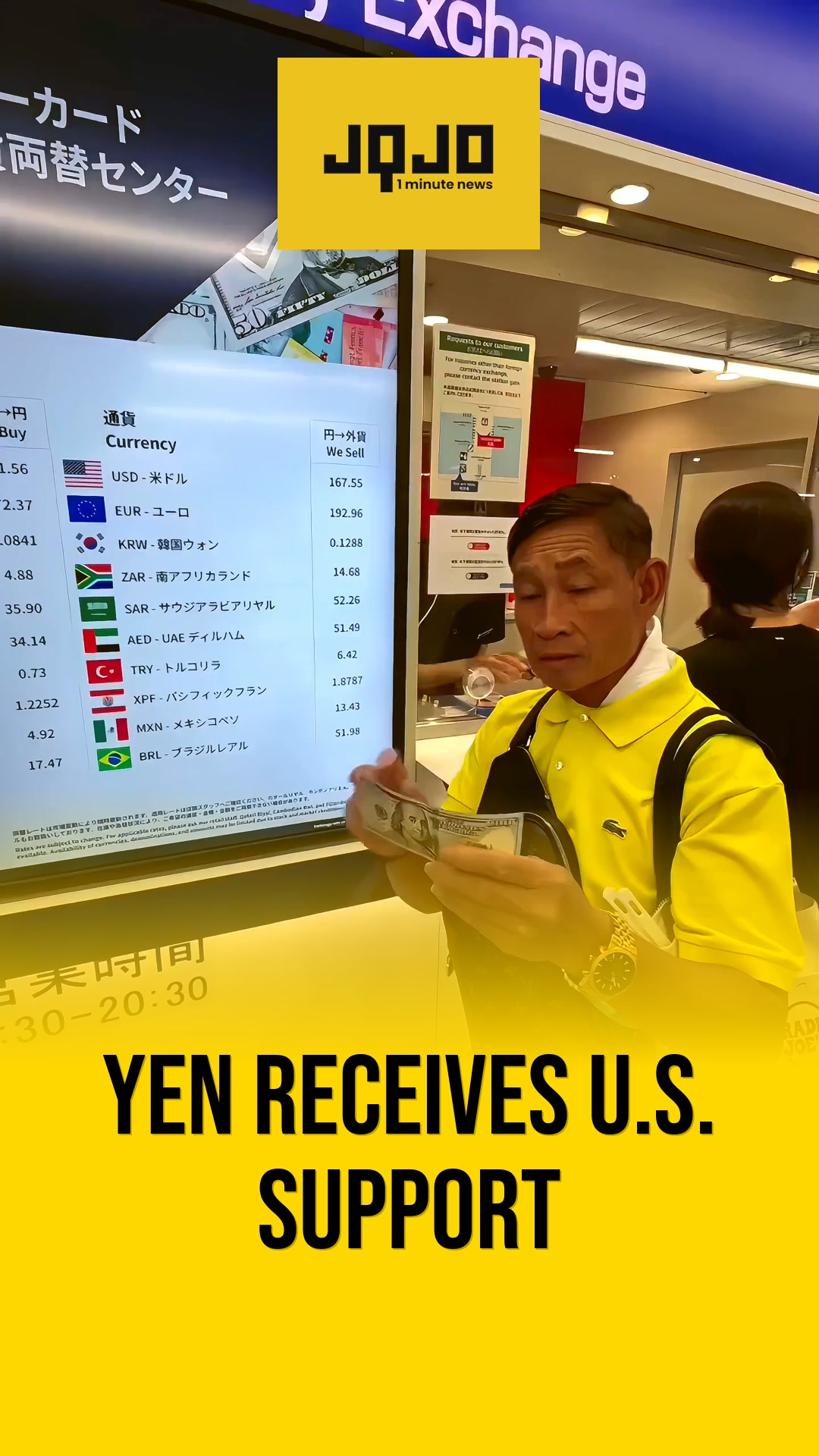
The United States Treasury and the Federal Reserve intervened directly in global foreign exchange markets to support the Japanese yen, executing outright purchases to rescue the currency from near 40-year lows. The rare coordinated intervention—facilitated through major Wall Street financial institutions—delivered one of the sharpest single-day rebounds for the yen in decades, stabilizing it near 157.40 against the U.S. dollar by the close of New York trading. U.S. Treasury Secretary Scott Bessent and Japanese Finance Minister Satsuki Katayama spearheaded the policy shift, acting to curb extreme currency depreciation that has squeezed businesses and stoked global import inflation. Financial markets reacted intensely to the sudden policy maneuver, which marks the first time in over a decade that Washington has actively intervened to bolster the Japanese currency. Currency traders and macroeconomic analysts are reassessing international intervention risks as central banks grapple with spillover effects from volatile global energy prices and shifting trade policies.
By Daniel Hayes | JQJO News
Timeline of Events
- On March 18, 2011, Group of Seven nations jointly stabilized post-earthquake market volatility.
- On July 30, 2026, Japan reportedly spent billions defending sliding domestic currency values.
- On July 31, 2026, Treasury Secretary Scott Bessent displayed explicit intervention notes publicly.
- On July 31, 2026, New York Federal Reserve executed strategic foreign exchange transactions.
- On July 31, 2026, major financial institutions received federal warnings to prepare actions.
- On August 1, 2026, global markets registered sharp single-day Japanese yen rebounds.
- On August 1, 2026, New York trading sessions closed with yen at 157.40.
- On August 1, 2026, analysts reassessed international central bank intervention thresholds globally.
- On August 1, 2026, foreign exchange traders evaluated structural shifts in monetary policies.
- On August 1, 2026, bilateral currency cooperation frameworks faced heightened international scrutiny daily.
News Intelligence
- Stabilized currency markets and lowered immediate imported US inflation pressures.
- Shifted long-term international expectations regarding G7 monetary policy coordination limits.
- Targeted multinational corporations, currency traders, importers, and global macroeconomic investors.
- Prioritize official Treasury announcements over speculative foreign exchange social media.
- Articles Published:
- 9
- Right Leaning:
- 0
- Left Leaning:
- 0
- Neutral:
- 9
- Distribution:
- Left 0%, Center 100%, Right 0%
Left: Emphasized coordinated international cooperation to protect global economic stability. Center: Reported direct monetary policy actions and market mechanics objectively. Right: Highlighted executive leadership decisions addressing aggressive global trade imbalances.
Financial Times published exclusive investigative reports detailing federal currency purchases. Direct URL to the original triggering source, where available but only 1: https://www.ft.com/content/379b32cb-52ef-4f6c-851f-2b7e1927c9ef
Coverage of Story:
From Left
No left-leaning sources found for this story.
From Center
U.S. Treasury and Federal Reserve Intervene to Prop Up Japanese Yen from Multi-Decade Lows
Reuters / Bloomberg Reuters The Straits Times Free Malaysia Today Chosun Ilbo Korea JoongAng Daily The Economic Times Japan Today TradingViewFrom Right
No right-leaning sources found for this story.






Comments