California rocket failure grounds SpaceX Falcon 9 fleet
PUBLISHED Jul 12, 2026, 9:53 PM ET
Read, Watch or Listen

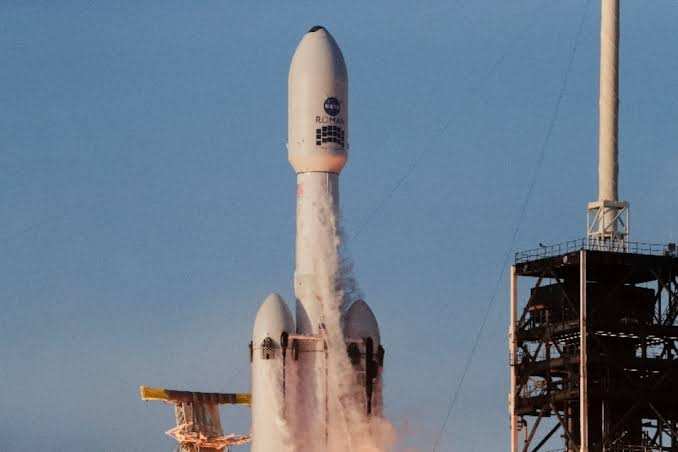
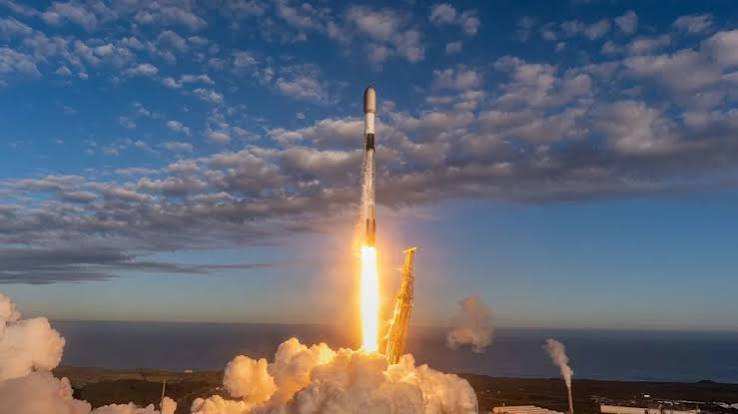
CALIFORNIA, UNITED STATES – SpaceX has grounded its Falcon 9 rockets after a rare launch failure during a Starlink mission from Vandenberg Space Force Base in California, reported on July 13. The reusable booster suffered an engine problem traced to a liquid oxygen leak, which led to a catastrophic failure of the rocket’s second stage and prevented the successful deployment of 20 Starlink internet satellites. As a result, the spacecraft were left in a low, non-survivable orbit, marking the first Falcon 9 failure since 2016 and ending a run of more than 300 successful missions that had underpinned SpaceX’s dominance in the commercial launch industry. The grounding will remain in place while SpaceX investigates the malfunction, repairs the affected systems, and secures approval from the Federal Aviation Administration to resume launches, a process that could extend over several weeks or months depending on the complexity of the fixes. The incident has implications for government and commercial customers worldwide who rely on the privately owned company, valued at about $200 billion, to carry satellites and astronauts into space. In a post on his social media platform X, Elon Musk said SpaceX is updating Starlink satellites’ software and boosting the power of their onboard thrusters in an effort to keep them from re-entering Earth’s atmosphere, calling the attempt difficult but worth pursuing.
By Yusra M. | JQJO News
Timeline of Events
- 2016 Falcon 9 explodes during launchpad incident
- 2016–2024 Falcon 9 maintains perfect mission streak
- Recent years SpaceX dominates global launch market
- July 13 Falcon 9 launch from Vandenberg fails
- July 13 Liquid oxygen leak causes engine malfunction
- July 13 Second stage fails, satellites stranded
- After failure Falcon 9 fleet grounded for investigation
- In coming months FAA reviews corrective actions
News Intelligence
- The Falcon 9 grounding affects global satellite services. This could slow down internet speeds or GPS accuracy. If you're a heavy user of these services, keep an eye on your connection quality.



Comments