Philadelphia declares disaster emergency after destructive microbursts
PUBLISHED Jul 12, 2026, 6:55 PM ET
Read, Watch or Listen
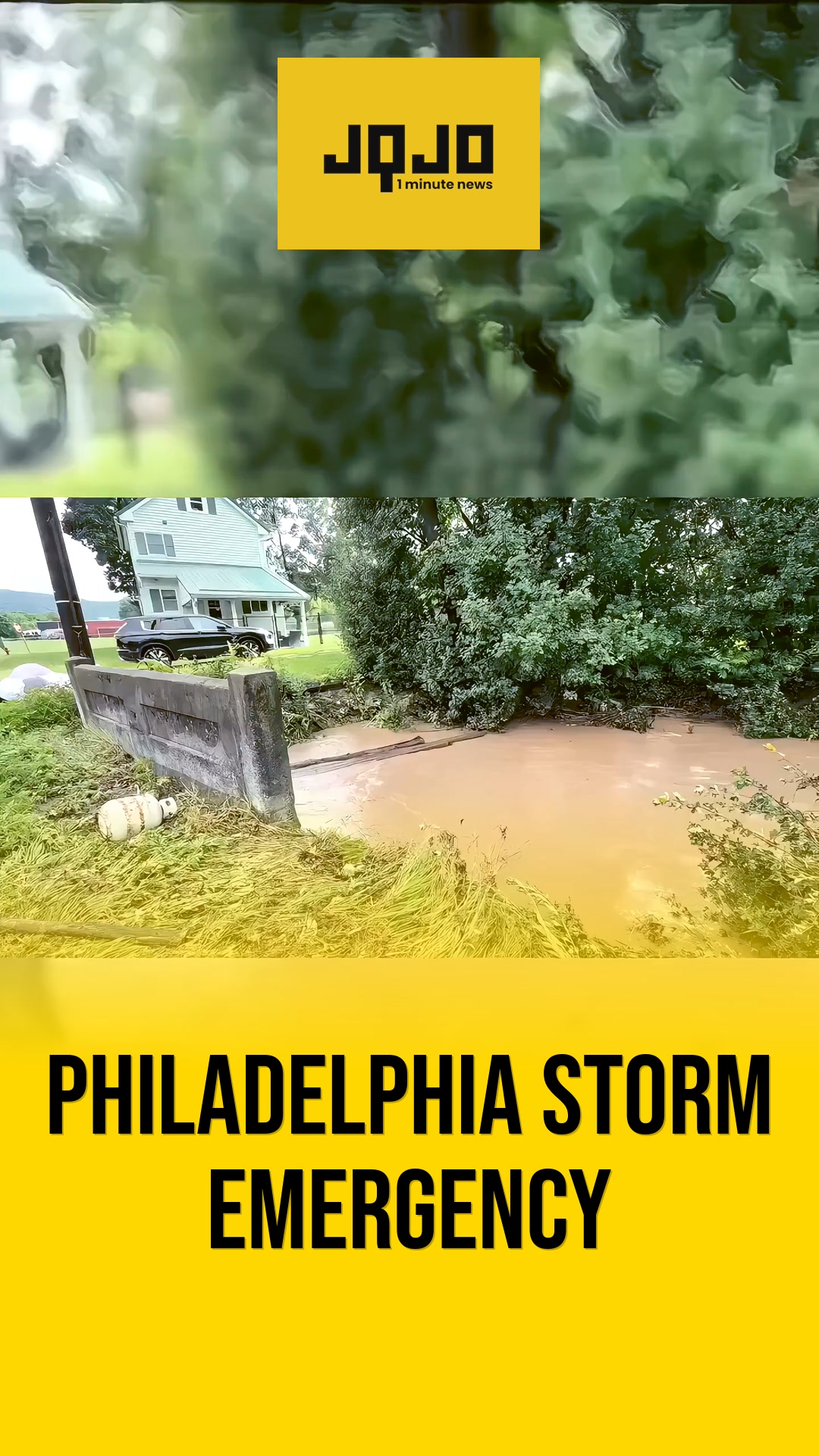
Philadelphia declared a disaster emergency after a series of powerful microburst storms caused severe damage across the city and neighboring Montgomery County over the weekend. Mayor Cherelle Parker signed the formal Declaration of Disaster Emergency on Sunday, July 12, 2026, one day after the storms struck on Saturday afternoon, July 11. The National Weather Service reported that at least four distinct microbursts developed between 2:30 p.m. and 3:15 p.m. as a line of intense thunderstorms moved rapidly across the region. Meteorologists confirmed that the storms generated straight-line winds of 60 to 70 mph, producing a destructive 12-mile damage path. Philadelphia officials said the high winds snapped mature trees, downed utility poles, and caused extensive structural failures, including collapsed buildings and ripped-off roofs in several neighborhoods. Damage was heavily concentrated in West, Southwest, and South Philadelphia, where debris blocked streets and left residents displaced. One of the most serious incidents occurred at a commercial building near 24th Street and Washington Avenue in West Philadelphia, which suffered a partial collapse. Falling bricks and structural debris crushed multiple parked vehicles and blocked trolley tracks, prompting emergency management officials to order precautionary evacuations of nearby homes.
By Moonie | JQJO News
Timeline of Events
- Saturday afternoon, July 11, 2026 Microbursts hit Philadelphia, Montgomery counties
- 2:30–3:15 p.m., July 11 Four distinct microbursts confirmed by NWS
- July 11, 2026 Straight-line winds reach 70 mph
- Evening July 11 Neighborhoods report widespread structural damage
- Night July 11 Emergency crews conduct evacuations citywide
- Sunday, July 12, 2026 Mayor signs disaster emergency declaration
- July 12, 2026 NWS survey confirms microburst damage pattern
- July 12, 2026 Trolley tracks blocked by collapsed building debris
News Intelligence
- Microbursts can cause serious damage, as seen in Philadelphia. They can snap trees, down power lines, and even collapse buildings. If you live in an area prone to storms, it's crucial to have a disaster plan. Check your home insurance for storm coverage.


Comments