United States launches first commercial nuclear-powered satellite
PUBLISHED Jul 8, 2026, 11:08 AM ET
Read, Watch or Listen

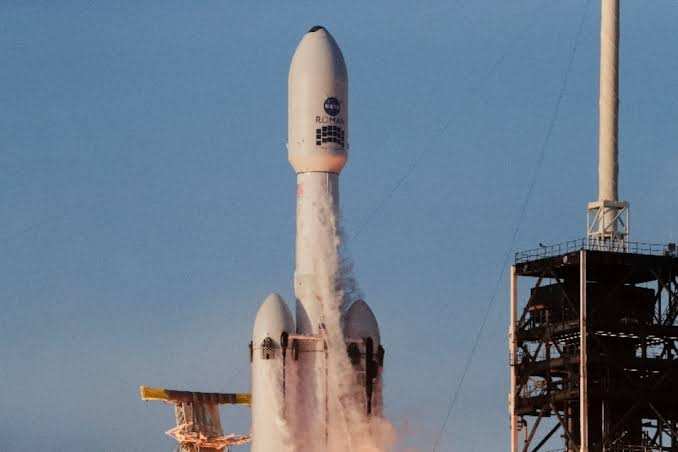
SpaceX has launched the world’s first commercial satellite using nuclear technology for power, marking a significant milestone for space-based energy systems. The Falcon 9 rocket lifted off from Vandenberg Space Force Base in California on July 8, 2026, as part of the Transporter-17 rideshare mission, carrying 81 payloads into orbit. The primary payload, a CubeSat named BOHR, was developed by Florida-based City Labs and carries the company’s NanoTritium betavoltaic power system. While the satellite’s main operations still rely on solar panels, the mission is the first in-orbit test of City Labs’ betavoltaic system and the first commercial satellite with Federal Aviation Administration approval for a nuclear launch.
By Ayesha A. | JQJO News
Timeline of Events
- Earlier this year, BOHR CubeSat integration completed
- Prior to launch, FAA approves nuclear payload
- July 8, 2026, Falcon 9 launches Transporter-17
- July 8, 2026, BOHR CubeSat successfully reaches orbit
- July 8, 2026, NanoTritium system begins on-orbit demonstration
- After launch, City Labs confirms payload activation
- Following success, further nuclear-powered missions anticipated
News Intelligence
- This launch is a big step for energy in space. It's testing a new power system that could make satellites more reliable. If successful, it could mean better services from weather forecasting to GPS. Keep an eye on how this plays out.



Comments