Guam braces as Super Typhoon Bavi approaches
Read, Watch or Listen
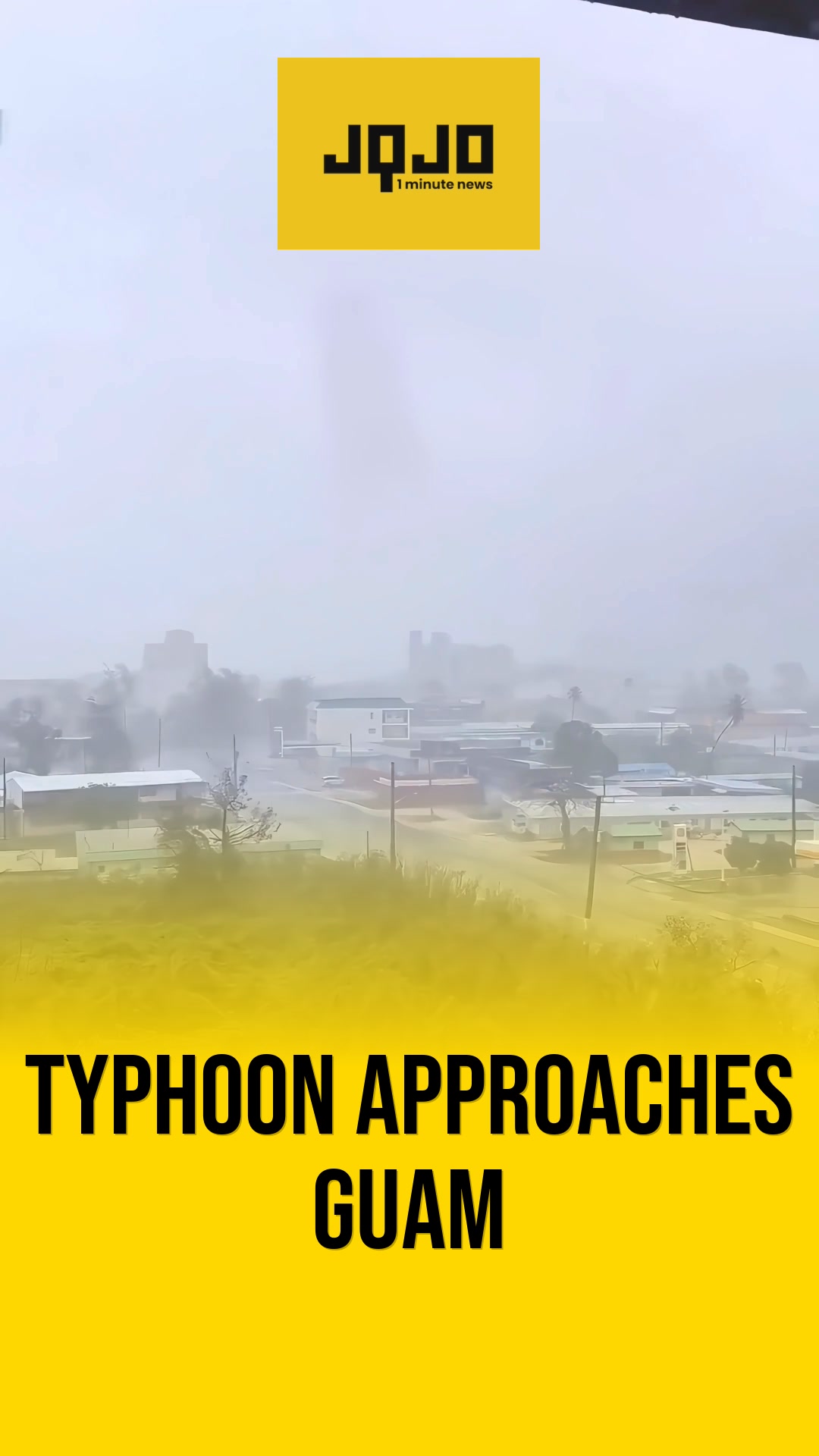
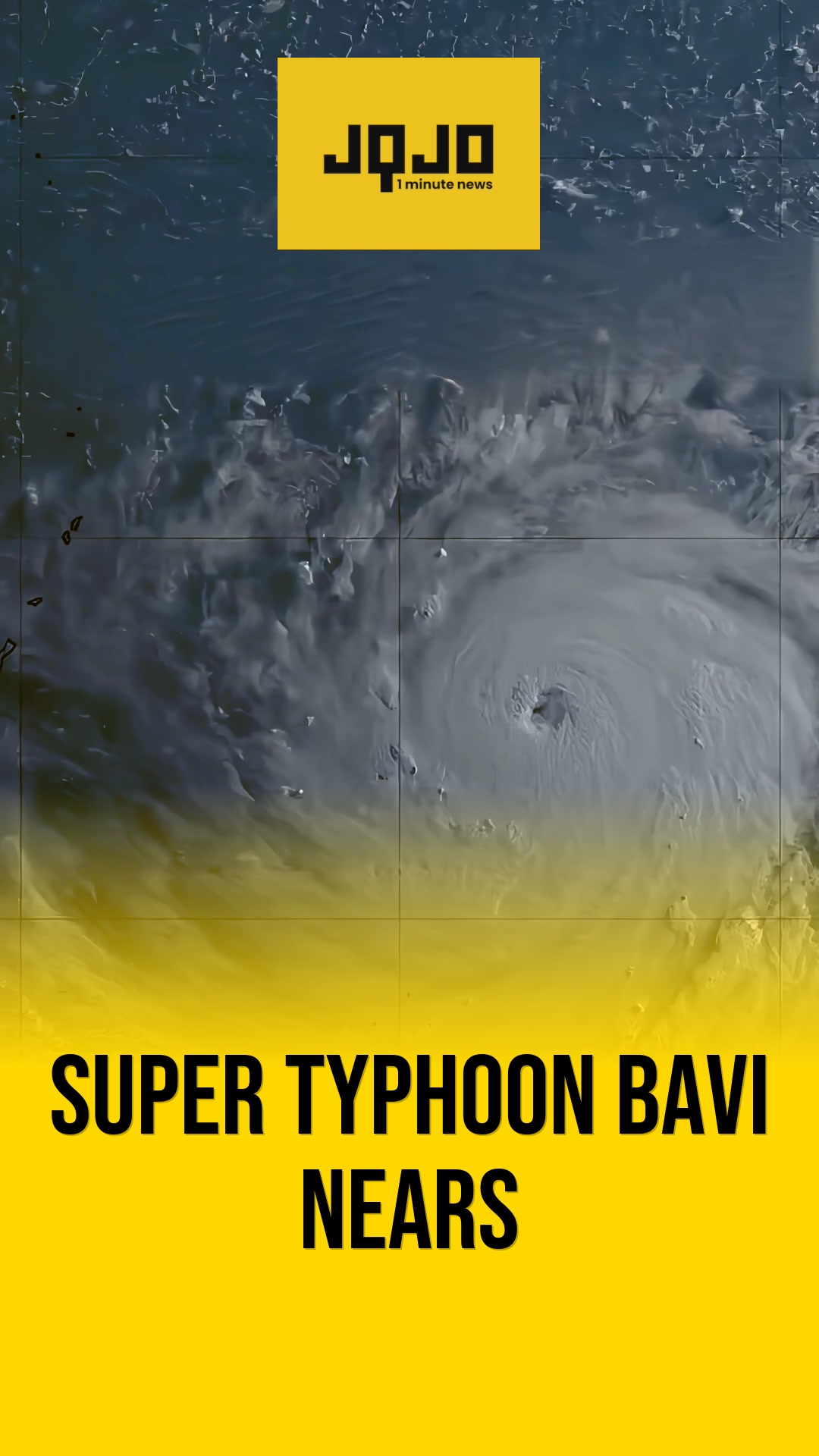
GUAM – Guam and the Northern Mariana Islands are bracing for the arrival of Super Typhoon Bavi, a storm with winds equivalent to a Category 5 hurricane, authorities said on July 4. The Joint Typhoon Warning Center reported that at 7:00 a.m. Guam time, the center of the storm was several hundred kilometers east of the archipelago, with sustained winds near 259 kilometers per hour (161 miles per hour) and gusts up to 314 kilometers per hour (195 miles per hour). The U.S. National Weather Service warned that forecast tracks indicated a grim outlook for the Marianas and urged all residents to plan for at least tropical storm conditions. Both Guam and the Northern Mariana Islands declared states of emergency as officials organized evacuations, activated shelters and prepared emergency services ahead of landfall. SAIPAN – Across the islands, roughly 200,000 inhabitants queued at petrol stations, crowded hardware stores for plywood, and stocked up on food, bottled water and other essentials, while resort and business workers boarded up windows, secured outdoor furniture and checked alarm systems. Local authorities and the American Red Cross deployed disaster teams and relief supplies, noting that some residents remain in temporary shelters or under makeshift roofs and that damaged seawalls are heightening concern about storm surge. The preparations come as the U.S. Pacific territories are still recovering from Super Typhoon Sinlaku in mid-April, which knocked out power for tens of thousands of people, uprooted trees, overturned cars and tore metal roofs from buildings, and as meteorologists warn that rising ocean temperatures and the onset of El Nino may increase the intensity of extreme weather events globally.
Prepared by Emily Rhodes and reviewed by editorial team.
Timeline of Events
- Mid-April Super Typhoon Sinlaku strikes Marianas
- Mid-April Power loss and infrastructure damage reported
- Mid-April Cargo ship overturns, crewmen reported missing
- Late June Communities continue Sinlaku recovery work
- July 4 Center of Bavi east of archipelago
- July 4 Bavi reaches Category 5 equivalent strength
- July 4 Guam and Marianas declare emergencies
- July 4 Residents evacuate, secure homes, stock supplies
Why This Matters to You
Super Typhoon Bavi is a reminder of the power of nature. It's a wake-up call for everyone, not just those in the Pacific. It's time to review your own emergency plans. Make sure you have supplies, know your evacuation routes, and have a communication plan in place.
The Bottom Line
Extreme weather events like Bavi are becoming more common. They can disrupt lives and economies on a massive scale. Stay informed about these events and how they might affect you. Worth forwarding if you know someone living in a hurricane-prone area.
Coverage of Story:
From Left
No left-leaning sources found for this story.
From Right
No right-leaning sources found for this story.




Comments