Austin: Tesla tests steering-wheel-free Cybercabs on roads
PUBLISHED Jun 30, 2026, 9:35 AM ET
Read, Watch or Listen
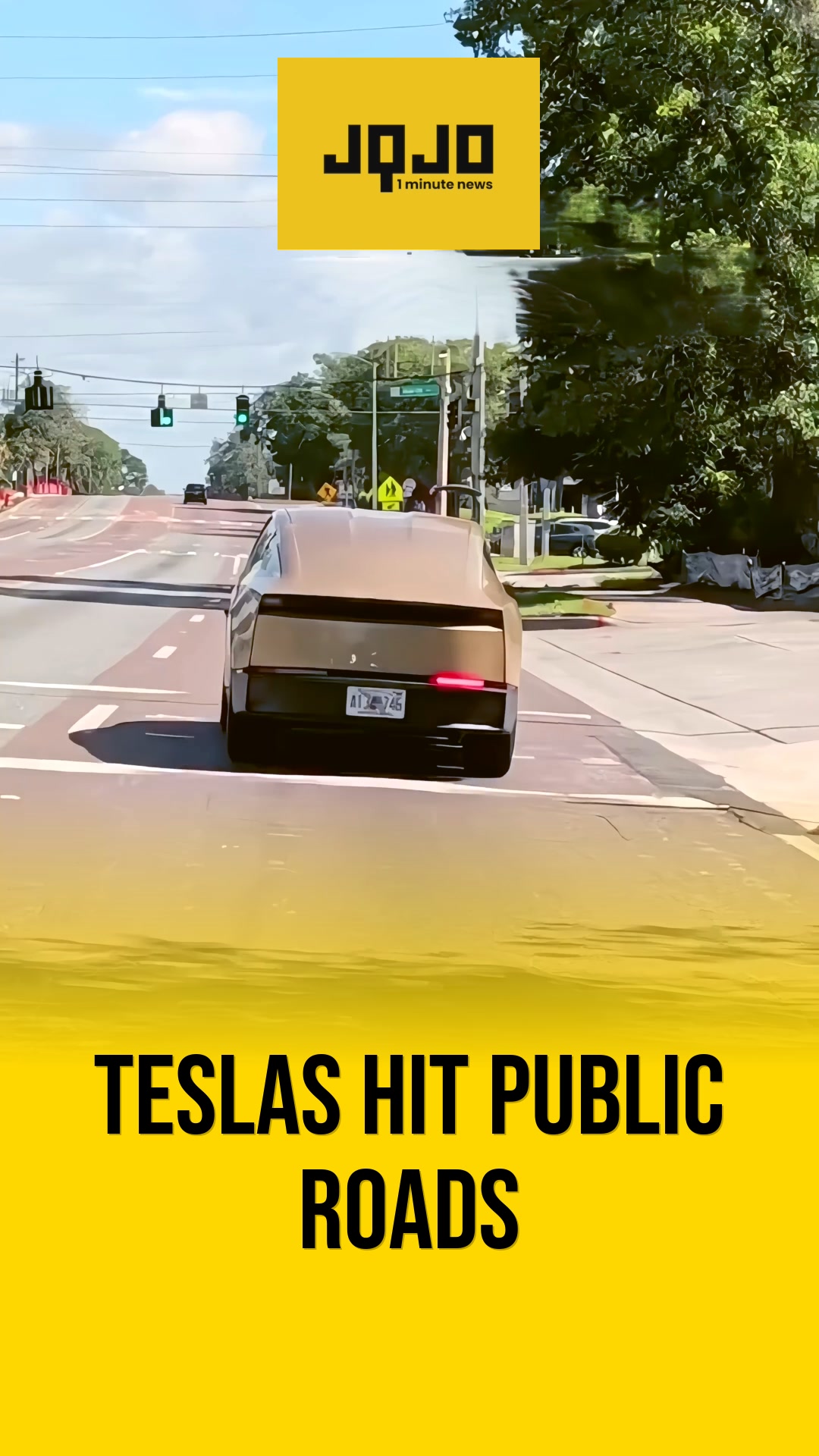
AUSTIN, Texas – Tesla has begun testing production Cybercabs without steering wheels or pedals on public roads in Austin as of June 30, 2026, marking a key step in its push to deploy fully autonomous robotaxis. The vehicles use end-to-end neural networks trained on large datasets from Tesla’s vehicle fleet, processing real-time sensor inputs to manage navigation, decision-making and obstacle avoidance without human intervention. Tesla relies on vision-based AI models rather than lidar, and the company says this approach can handle varied weather and road conditions while keeping hardware costs lower than many rival autonomous systems. The public-road trials underscore Tesla’s effort to strengthen its position in the emerging robotaxi market and in autonomous services for logistics and delivery, where companies view lower labor costs and higher operational efficiency as major incentives. Industry observers say advances in AI for autonomous driving could reshape traditional taxi and rideshare businesses over the next decade. The rollout of Cybercabs also highlights broader regulatory and ethical questions, as companies must comply with evolving autonomous vehicle rules, address data security concerns and manage workforce shifts, including potential job losses for human drivers and new roles in AI oversight.
By Lauren Mitchell | JQJO News
Timeline of Events
- June 30, 2026 Tesla starts Cybercab public-road testing
- June 30, 2026 Production units lack steering controls
- June 30, 2026 Vision-based AI guides all navigation
- June 30, 2026 End-to-end neural networks manage driving
- Mid-2026 Regulators assess autonomous vehicle safety frameworks
- Early 2030s Industry expects widespread robotaxi deployment
- Early 2030s Autonomous services expand logistics, delivery operations
- Early 2030s New AI oversight roles offset driver losses
News Intelligence
- Tesla's Cybercabs could be the future of taxi rides. No driver means lower costs and potentially safer rides. But it also means job shifts. Drivers may need to learn new skills like AI oversight. Check if your city or state has retraining programs.
Coverage of Story:
From Left
No left-leaning sources found for this story.
From Right
No right-leaning sources found for this story.






Comments