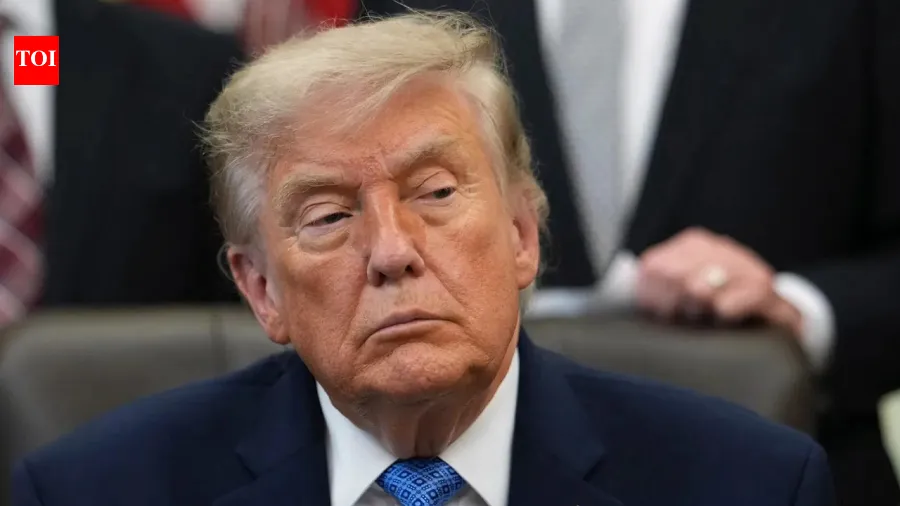
Supreme Court Upholds Birthright Citizenship, Blocks Executive Order
Tap title to read story
Washington. The U.S. Supreme Court on Tuesday, June 30, 2025, struck down President Donald Trump's executive order that sought to deny citizenship to children born in the United States to parents present unlawfully or temporarily. Chief Justice John Roberts wrote the majority opinion, reaffirming that the 14th Amendment grants citizenship to nearly everyone born on U.S. soil.
The decision, issued this week, came after lower courts had blocked the order and months after the order's January 20, 2025 issuance and a February 19, 2025 applicability date. Political leaders, attorneys general and immigrant advocates reacted immediately: state officials praised the ruling, while several Republican leaders criticized it, and legal advisors circulated guidance on next steps.
More context
Timeline
- 1. January 20, 2025: President Trump issues executive order limiting birthright citizenship for certain births.
- 2. Early 2025: Lower federal courts block the executive order, preventing nationwide effect.
- 3. June 30, 2025: U.S. Supreme Court issues majority opinion striking down the executive order.
- 4. June–July 2025: State officials, immigrant advocates, and legal practitioners issue reactions and guidance.
- 5. Mid-2025 onward: Administrative and legal follow-up clarifies implementation and related immigration policy impacts.
Why it matters
This decision upholds birthright citizenship, a key part of our immigration policy. It affects families with non-citizen parents and their U.S.-born children. If you know someone in this situation, they may need to understand this ruling.
Sources
JQJO Editorial Desk · Human reviewed · AI assisted. Report a correction.