Skip to news
Today’s briefing
JQJO
Latest

Colorado incumbents face progressive primary challenges Tuesday | JQJO

Colorado incumbents face progressive primary challenges Tuesday

Tap title to read story

0:00 / 0:47

Washington — On June 30, incumbent Colorado Democrats faced progressive primary challenges as voters prepared to decide intra-party nominations. Representative Diana DeGette was challenged by Melat Kiros, and Senator John Hickenlooper was challenged by state Senator Julie Gonzales; reporting identified challengers' positions on Israel and immigration enforcement ahead of the primary.

Denver-area campaigns intensified mobilization this week, with volunteers and candidates urging turnout on the eve of the vote and the Denver Post noting local campaign events and a 7 p.m. primary deadline. If incumbents are defeated on Tuesday or in subsequent ballot counts, observers say it would highlight a leftward trend within parts of the Democratic Party.

Published · Published by JQJO

Published by JQJO Editorial Desk · AI assisted

More context

Timeline

  1. 1. Earlier this year: Progressive upsets occurred in Maine and New York primaries.
  2. 2. June 30: Reuters reported Colorado incumbents facing progressive primary challengers.
  3. 3. Days before primary: Candidates held local events urging volunteers and undecided voters to mobilize.
  4. 4. Primary day: Voters across Colorado cast ballots; some races decided at 7 p.m. or after ballot processing.
  5. 5. Post-primary: Potential shifts in Democratic nominee profiles and policy focus may follow results.

Why it matters

Your vote shapes the future of the Democratic Party. Progressive challengers could mean a shift in policy focus. Watch for changes in positions on issues like immigration and Israel.

Sources

JQJO Editorial Desk · Human reviewed · AI assisted. Report a correction.

Editorial policy and corrections · Our team

Earth’s Shape Accelerates Toward Roundness

Tap title to read story

New research shows Earth’s solid surface is becoming rounder faster as polar ice melts. The study, published in the journal JGR Solid Earth, used Global Navigation Satellite System data to measure surface motion. Between 2011 and 2015, polar uplift averaged about 0.02 to 0.04 inches per year, while the equatorial bulge contracted at a similar rate. The rate of change has accelerated compared to 1997‑2000, with each decade seeing a 0.01‑inch increase in polar uplift and a 0.02‑inch increase in equatorial contraction. These minuscule shifts, driven by melting glaciers, indicate a measurable, hastening increase in Earth’s roundness.

0:00 / 0:39

Nasdaq Falls Over Two Percent on AI

Tap title to read story

0:00 / 0:39

Amazon Renews 'Carrie' for Second Season

Tap title to read story

0:00 / 0:28

PHP Vulnerabilities Force Global Site Outages

Tap title to read story

0:00 / 0:28

BYU Upsets Notre Dame, Climbs to One

Tap title to read story

0:00 / 0:12

Iguazú Falls Surge to Near‑Record Flow Amid Super El Niño‑Driven Rainfall

Tap title to read story

0:00 / 0:20

Insta360 Launches Affordable $250 Mic to Fill Gap Between Pro Models

Tap title to read story

0:00 / 0:43

Trump Ordered to Sit for BBC Deposition

Tap title to read story

0:00 / 0:32

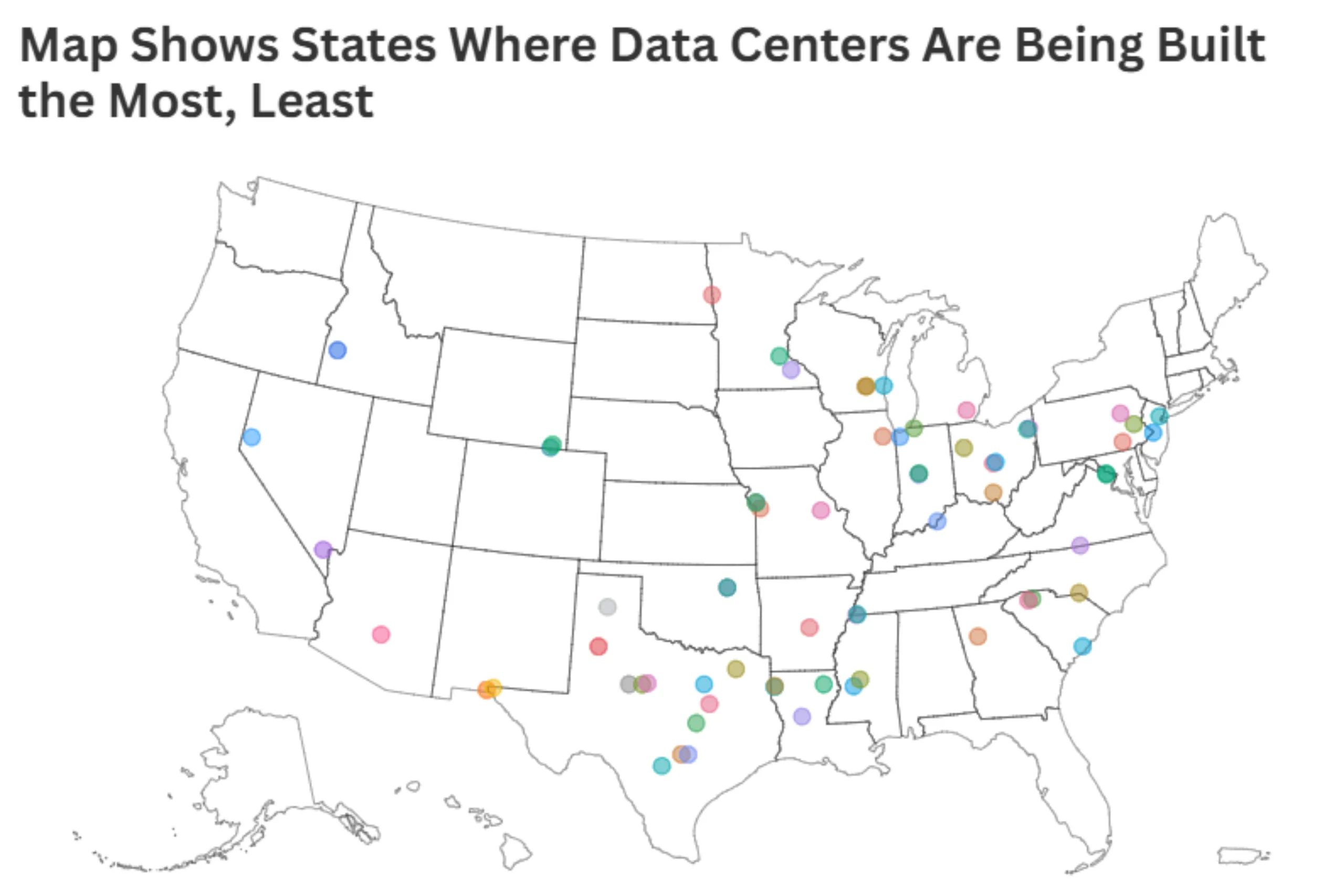
Host Communities Across the U.S. Turn Against Gargantuan Data Centers

Tap title to read story

0:00 / 0:15

Country Legend John Anderson Dies at 71

Tap title to read story

0:00 / 0:52

JQJO

Find your next story

Search JQJO’s current coverage.