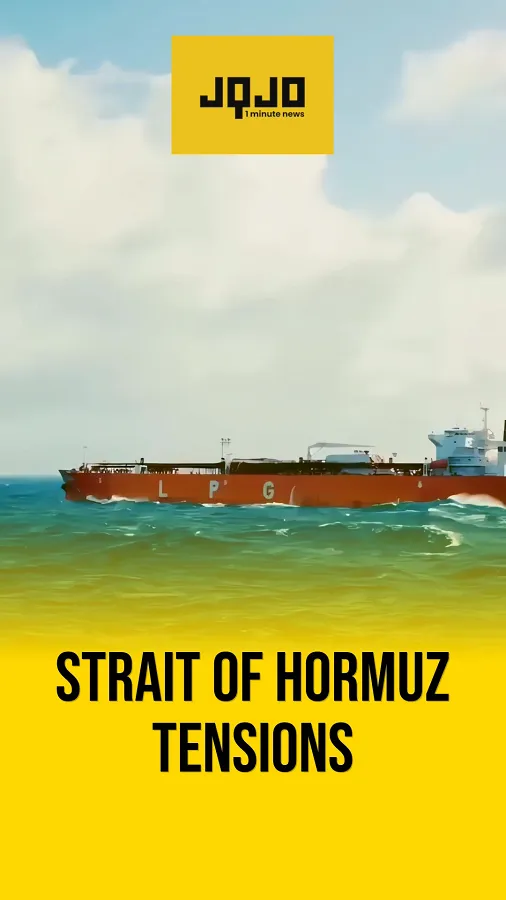
Tehran asserts sole control over Hormuz strait
Tap title to read story
Iranian Foreign Minister Abbas Araghchi said on Sunday, June 28, 2026, that Iran alone is responsible for reopening the Strait of Hormuz and restoring shipping traffic, directly challenging terms of a June 17 U.S.-Iran ceasefire memorandum. He warned that any alternative maritime arrangements, including a newly expanded commercial corridor announced by the U.S. Navy near Oman, would complicate efforts and heighten tensions. The memorandum assigns navigation oversight in the strait to Iran and Oman and aims to reopen the vital waterway, which carries about 20 percent of global oil, within 60 days. Meanwhile, Iran’s IRGC struck U.S. sites in Kuwait and Bahrain early Sunday.
More context
Timeline
- Feb 28, 2026 Iran restricts Hormuz traffic
- Feb 28, 2026 Global fuel prices spike sharply
- Jun 17, 2026 Ceasefire memorandum on Hormuz signed
- Jun 17, 2026 Iran, Oman assigned navigation oversight
- Saturday evening Trump threatens to complete job
- Early Sunday IRGC strikes Kuwait, Bahrain sites
- Sunday morning U.S. expands Oman shipping corridor
- Sunday Araghchi insists Iran controls Hormuz reopening
Why it matters
The Strait of Hormuz is a major oil highway. Its closure in February spiked global fuel prices. If Iran controls its reopening, we could see price swings again. Keep an eye on your gas and heating bills.
JQJO Editorial Desk · Human reviewed · AI assisted. Report a correction.