States Scramble to Finalize Budgets Ahead of Deadlines
Tap title to read story
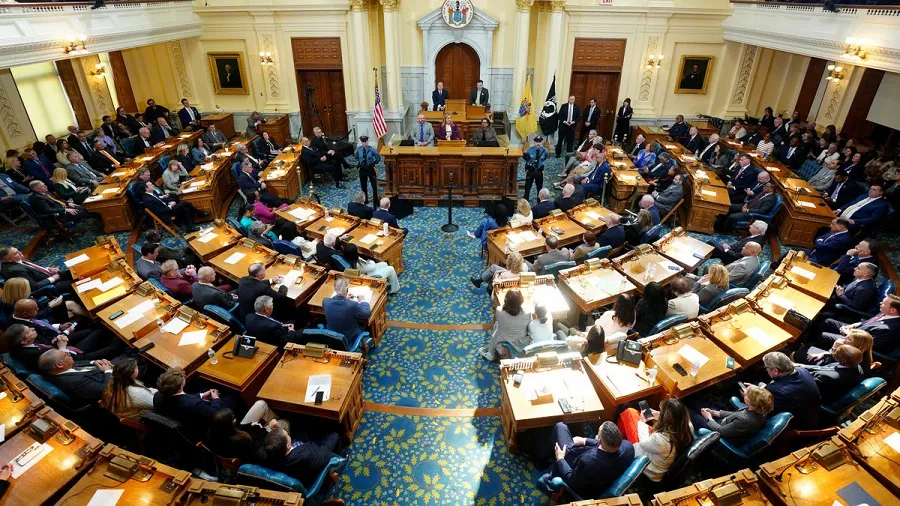
Trenton — Lawmakers passed a $60.7 billion fiscal year 2027 budget and approved a supplemental spending bill late Sunday, June 28, and advanced an increase to the child tax credit; the supplemental package reportedly contains about $359 million in targeted projects that lawmakers moved into the 2026 budget period before its June 30 expiration.
Lansing — In Michigan this week, the Legislature faces a statutory deadline to finalize the 2026-2027 budget with Wednesday set as the deadline; House Republicans released a $75.8 billion framework that avoids new taxes and reduces spending, while Democratic control of the Senate and the governor's office makes interparty compromise necessary and House leaders postponed planned votes ahead of extended session days.
More context
Timeline
- 1. March: Governor Mikie Sherrill introduced her initial FY2027 budget proposal.
- 2. April: Michigan House Republicans approved a $75.8 billion budget plan reducing overall spending.
- 3. June 28: New Jersey Legislature passed a $60.7 billion FY2027 budget and cleared supplemental spending measures.
- 4. June 30: The 2026 New Jersey budget is scheduled to expire at 11:59 p.m.
- 5. This week: Michigan faces a statutory budget deadline with postponed House votes and anticipated long session days.
Why it matters
The budget decisions in Trenton and Lansing affect your wallet. They determine state taxes, public services, and the child tax credit. If you're in Michigan, keep an eye on how the budget negotiations unfold this week.
Sources
JQJO Editorial Desk · Human reviewed · AI assisted. Report a correction.