Denver braces for heat, smoke and elevated fire danger
Read, Watch or Listen
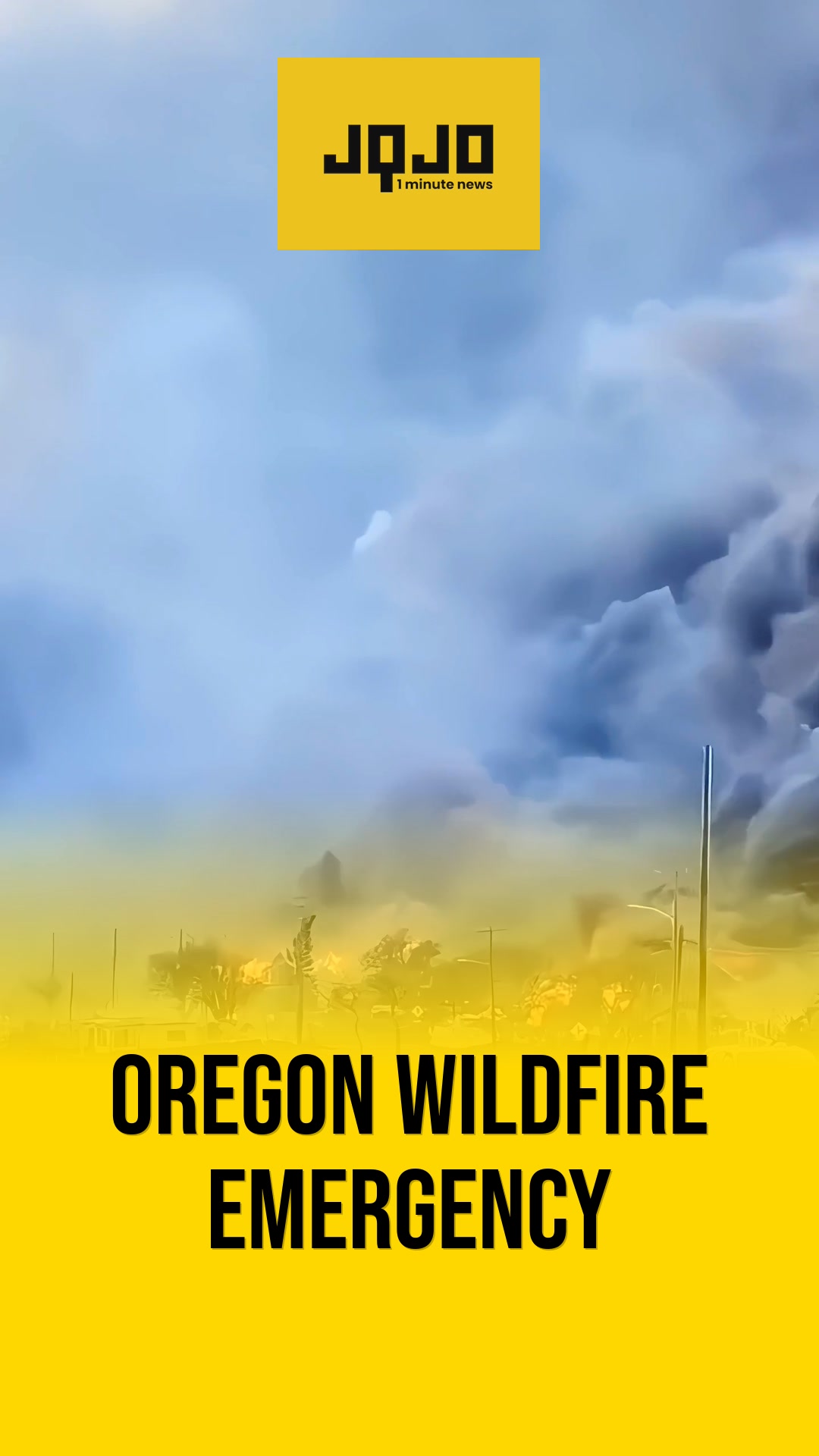
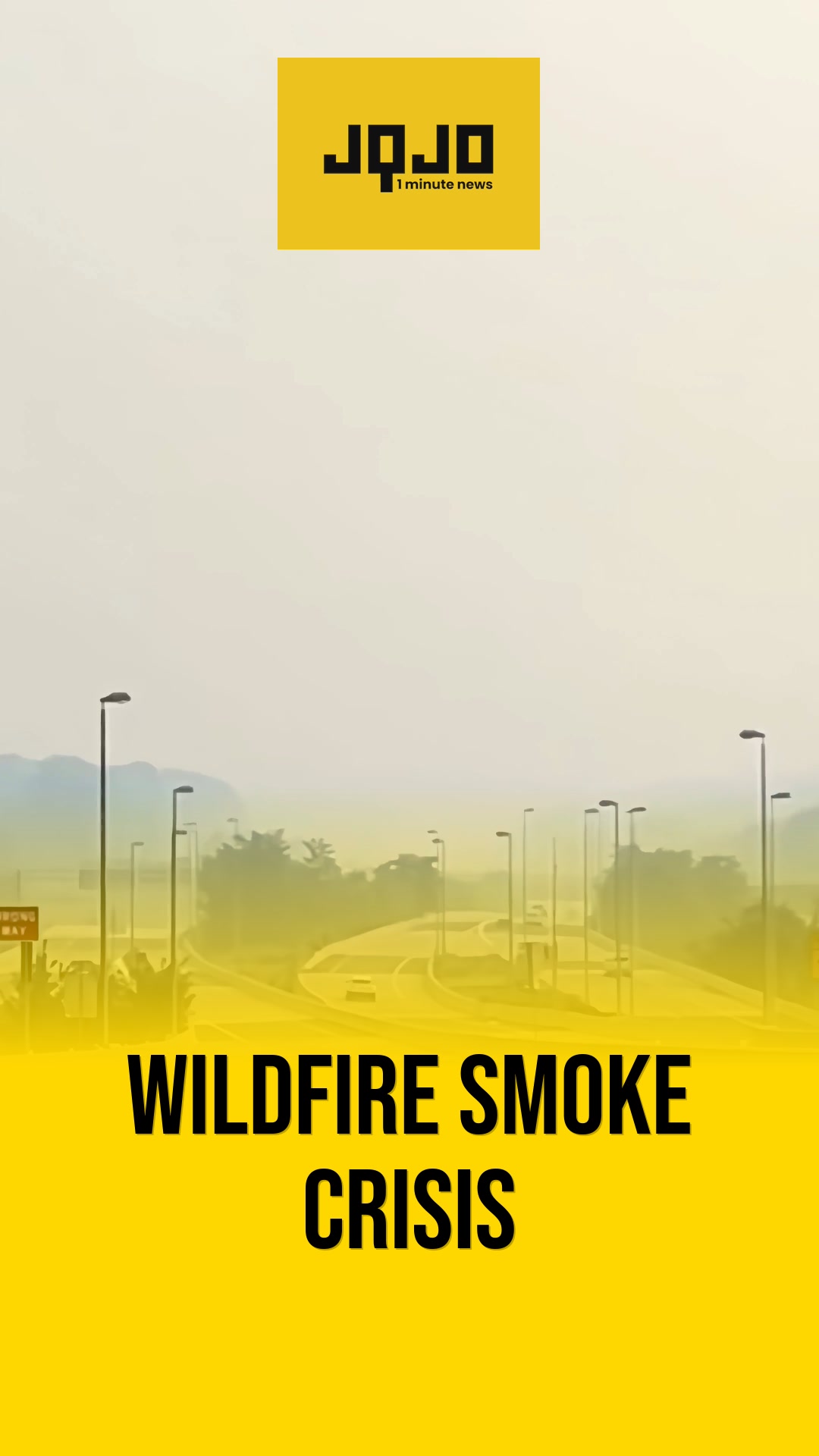
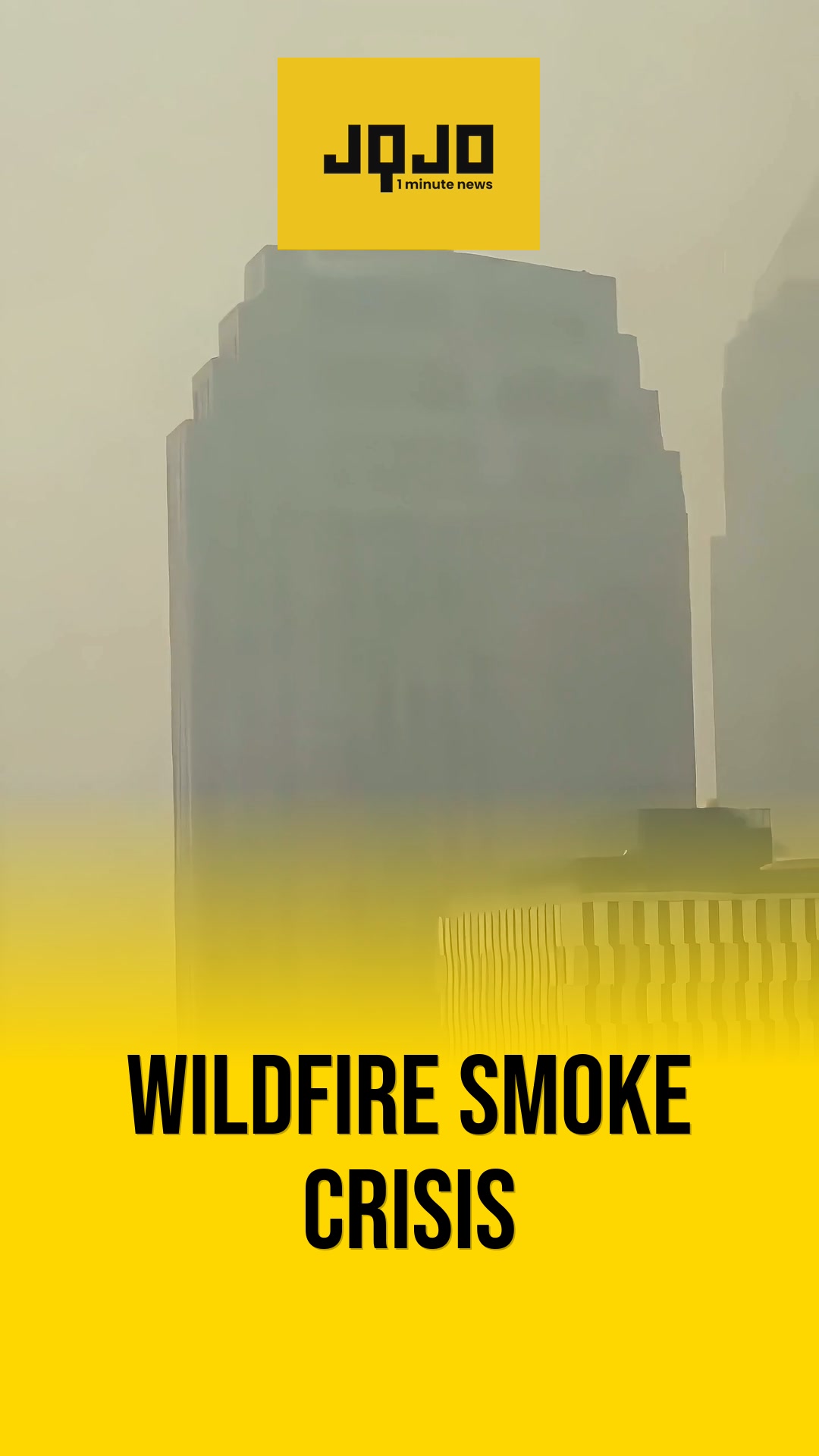
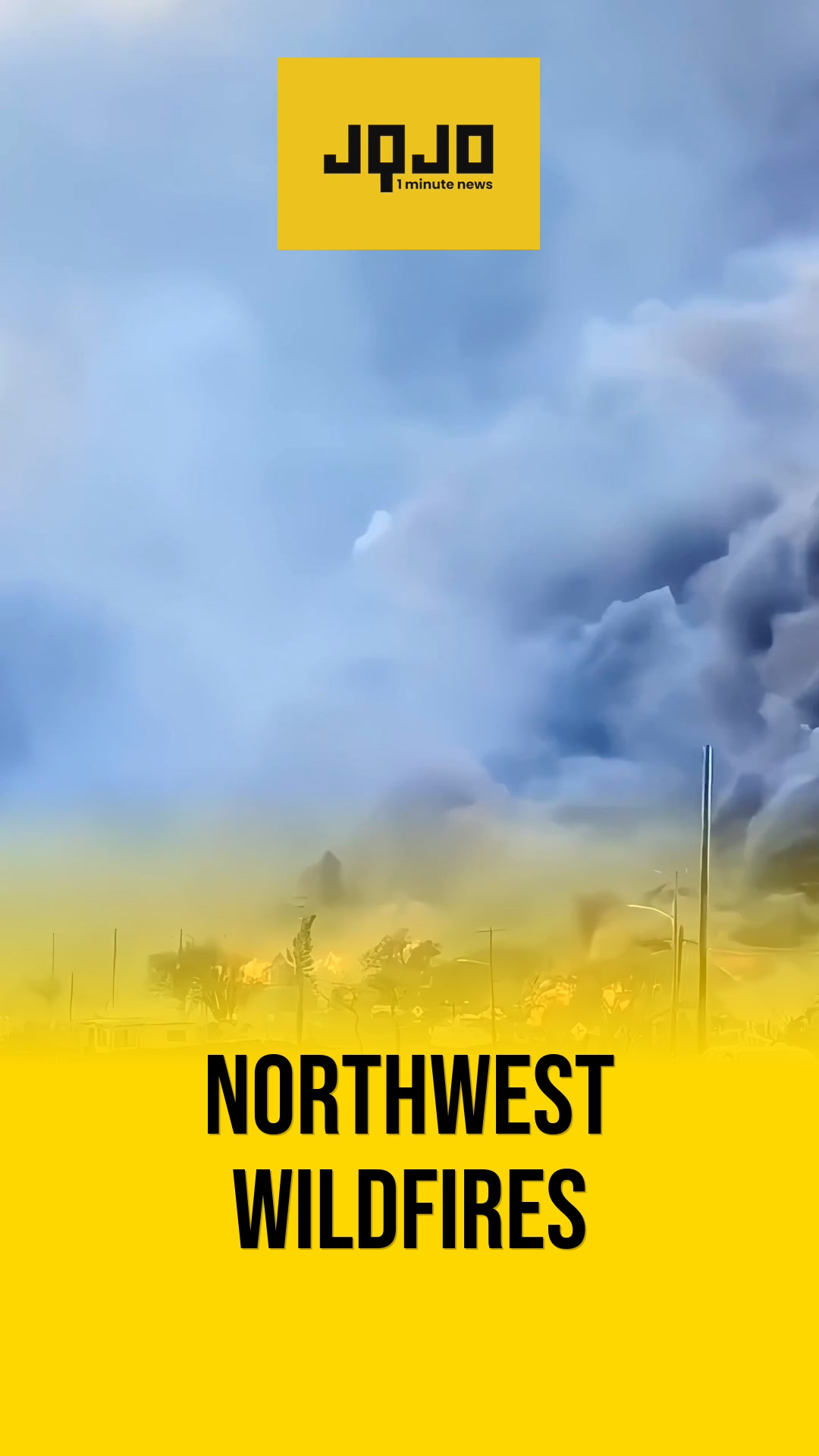
Denver experienced escalating heat, gusty winds and persistent wildfire smoke Sunday and into the workweek as local forecasts signaled mid-90s temperatures and gusts up to 40–45 mph. Meteorologists issued Red Flag Warnings beginning Sunday afternoon for high country and foothills, and warned conditions could return Monday and continue through the week. This week officials reported Air Quality Alerts and ozone concerns as smoke from fires in western Colorado and Utah moved over the Front Range; forecasts showed the hottest conditions on the southeast plains with potential triple-digit highs and overnight lows in the mid-50s to 60s. Residents were advised to avoid ignition sources, heed warnings and prepare for continued smoky, hot conditions with limited storm chances midweek.
Prepared by Olivia Bennett and reviewed by editorial team.
Timeline of Events
- Wildfires start in western Colorado and Utah, producing regional smoke.
- Red Flag Warnings posted for Sunday afternoon across high country and foothills.
- Sunday sees mid-90s in Denver and gusts up to 30–40 mph.
- Monday repeats hot, dry, breezy conditions with continued fire danger and smoke.
- Midweek forecasts maintain high temperatures, smoky skies, and limited storm chances.
Why This Matters to You
This isn't just about the weather. It's about your health and safety. Smoke from wildfires can cause respiratory issues, especially for those with existing conditions. High heat can lead to dehydration and heat-related illnesses. If you're in Denver, limit outdoor activities and stay hydrated.
The Bottom Line
Denver is in for a hot, smoky week with elevated fire danger. Heed warnings, avoid ignition sources, and prepare for the heat. Remember, your health comes first. Worth forwarding if you know someone in the area.
- Articles Published:
- 5
- Right Leaning:
- 0
- Left Leaning:
- 0
- Neutral:
- 5
- Distribution:
- Left 0%, Center 100%, Right 0%
Emergency services, fire managers and utilities benefited because advance warnings allowed staging of resources, public advisories, and precautionary measures to reduce immediate wildfire ignition risks.
Residents, outdoor workers, and vulnerable populations suffered from degraded air quality, high temperatures, and increased wildfire risk that threaten health and property.
Coverage of Story:
From Left
No left-leaning sources found for this story.
From Center
Denver braces for heat, smoke and elevated fire danger
FOX31 Denver KDVR FOX31 Denver KDVR FOX31 Denver KDVR FOX31 Denver KDVR FOX31 Denver KDVRFrom Right
No right-leaning sources found for this story.


Comments